
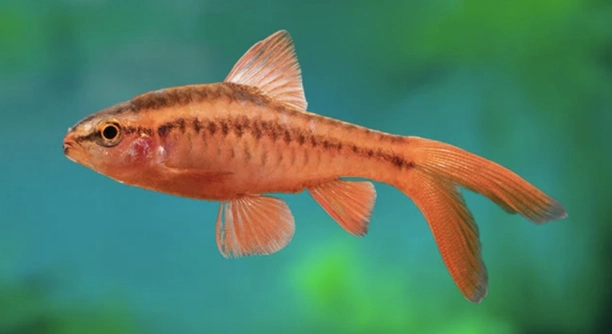
Cherry Barbs are an attractive and peaceful species of fish often kept in home aquariums. However, you may notice them grouping in a specific area. Understanding why this behavior occurs can improve your aquarium care routine.
Cherry Barbs often gather in one area due to environmental factors such as water quality, temperature, or stress. A drop in oxygen levels, improper tank conditions, or the presence of a dominant fish can lead to this behavior.
Recognizing these signs can help you provide a better environment for your Cherry Barbs. Improving tank conditions will promote healthier and more active fish.
Common Reasons Cherry Barbs Group Together
Cherry Barbs are known for their social behavior, but when they begin to cluster in one area, it may indicate an issue with their environment. Changes in water quality are one of the primary reasons for this behavior. Poor water conditions, including high ammonia or nitrite levels, can cause the fish to seek refuge in a corner or more sheltered area. Additionally, water temperature fluctuations or an overly high or low pH level can stress Cherry Barbs, leading them to bunch up for safety. Often, fish instinctively group together when they sense danger, including the presence of other more aggressive tank mates. Another factor that could contribute to this gathering is overcrowding, which can create competition for space and resources, making Cherry Barbs feel uneasy and stressed.
Overcrowded tanks and insufficient hiding spots can also trigger this behavior. It is essential to maintain a balanced fish-to-water ratio to reduce unnecessary stress.
A healthy, stable environment promotes natural behaviors and will help alleviate these clustering tendencies in Cherry Barbs.
Environmental Stressors to Consider
Changes in water parameters are the most noticeable stressors for Cherry Barbs. Even small fluctuations in pH, hardness, or temperature can make a difference.
If your tank has sudden changes in conditions, such as inconsistent temperature or inadequate filtration, it can force your Cherry Barbs to seek comfort in one area of the tank. These conditions create stress and disrupt their usual swimming patterns, leading them to group together in a specific spot. Adding a reliable aquarium heater and filter can stabilize the tank environment, minimizing stress. Regular testing of the water will help you keep track of pH, ammonia, and nitrate levels, ensuring they stay within the appropriate range for Cherry Barbs. The ideal water temperature for these fish is between 72°F and 80°F, with a pH level of 6.5 to 7.5.
Monitoring these factors helps maintain a safe and stable environment for your Cherry Barbs, reducing the need for them to group together.
Aggression and Hierarchy
Aggression from other fish can also be a factor in Cherry Barbs clustering in one area. Though they are generally peaceful, Cherry Barbs may face bullying from more dominant tank mates. This behavior could force them into a corner or another secluded part of the tank. In some cases, territorial fish may prevent Cherry Barbs from freely swimming around. If this happens, it can make the Barbs feel threatened and seek protection. Adding hiding spots, plants, or decorations in the tank can provide refuge and allow the Cherry Barbs to feel safer.
In a tank with multiple Cherry Barbs, it’s important to monitor for signs of bullying between individuals. Even though they are peaceful, a single aggressive fish can disturb the group’s dynamic.
By maintaining a peaceful tank and monitoring interactions, you can ensure that your Cherry Barbs remain calm and comfortable.
Water Quality Issues
Poor water quality is a leading cause of Cherry Barbs grouping together. High ammonia, nitrite, or nitrate levels can stress the fish, causing them to seek a specific area of the tank. Regular water changes are essential to maintain good water quality.
Testing the water regularly helps ensure the levels remain safe for Cherry Barbs. High ammonia or nitrite can be toxic, so frequent water changes are necessary to keep the fish healthy. Over time, waste accumulation can lead to high levels of these compounds. Proper filtration plays a crucial role in reducing the buildup of harmful chemicals. Installing an effective filtration system keeps water clean and balanced.
A stable environment encourages natural behavior, preventing the need for Cherry Barbs to crowd together. Consistent water changes, combined with filtration, help create an optimal habitat, reducing stress and promoting the well-being of your fish.
Tank Size and Overcrowding
Tank size directly affects the comfort of Cherry Barbs. Overcrowding can make them feel cramped and anxious, often leading to clustering behavior.
If you notice your Cherry Barbs grouping together, check the size of your tank. A tank that is too small can create a stressful environment. Fish need space to swim and feel comfortable. If the tank is overcrowded, it may be difficult for the fish to establish their territories, resulting in stress. As a general rule, a 20-gallon tank is a good starting point for a small school of Cherry Barbs.
Providing ample space encourages natural social interactions and reduces stress. It is important to remember that as the fish grow, they will need more space. Regularly assessing tank size ensures your Cherry Barbs remain healthy and avoid clustering due to overcrowding.
Aggressive Tank Mates
Aggressive fish can contribute to Cherry Barbs clustering together. Dominant tank mates may intimidate the Barbs, causing them to group in a corner for safety.
Adding peaceful companions to the tank can ease this issue. Species such as guppies or small tetras are ideal tank mates for Cherry Barbs. These fish are non-threatening and can coexist peacefully. Avoid adding overly territorial or aggressive fish, as they will disrupt the Barbs’ natural behavior and cause them to retreat to a specific area.
By selecting appropriate tank mates, you can reduce stress and encourage the Cherry Barbs to swim freely.
Inadequate Hiding Spots
Cherry Barbs need adequate hiding spots to feel secure. Without sufficient shelter, they may bunch together for protection. Adding plants, rocks, or decorations to the tank provides these fish with safe spaces.
The presence of hiding spots can help Cherry Barbs feel more at ease, especially if they are stressed by other factors like aggressive tank mates. Even in a peaceful tank, Barbs might seek out secluded areas when they are not feeling secure. Providing a variety of hiding spots ensures that the Barbs can retreat when they need rest.
Water Temperature Fluctuations
Temperature fluctuations can cause Cherry Barbs to behave unusually. Rapid changes in water temperature can stress them, making them seek shelter in a specific part of the tank.
Maintaining a consistent temperature is crucial for Cherry Barbs’ well-being. The ideal temperature for these fish is between 72°F and 80°F. Installing a reliable heater and thermometer helps ensure the water stays within the recommended range. Stability is key, as sudden shifts in temperature can disrupt their natural swimming patterns.
By ensuring a steady environment, you can prevent clustering behavior caused by temperature stress.
FAQ
Why are my Cherry Barbs staying in one corner of the tank?
Cherry Barbs may gather in one corner due to stress from poor water quality, temperature fluctuations, or the presence of aggressive tank mates. They are social fish, and when they feel threatened or uncomfortable, they may seek shelter in a specific area. Check your water parameters regularly to ensure the tank conditions are optimal, and make sure the temperature is stable and within the recommended range. Adding more hiding spots or rearranging the tank could help them feel more secure.
Do Cherry Barbs need a specific water temperature?
Yes, Cherry Barbs thrive in water temperatures between 72°F and 80°F. If the temperature fluctuates outside this range, it can cause stress, leading to unusual behavior like clustering. A reliable aquarium heater and thermometer are essential to maintain a consistent temperature. Stability is crucial, as sudden temperature changes can make them feel unsafe, forcing them to gather in one area of the tank.
Can overcrowding cause Cherry Barbs to group together?
Overcrowding can lead to stress, which may cause Cherry Barbs to group together. A tank that is too small or overcrowded makes it difficult for the fish to establish territories, which increases competition for space and resources. This stress can cause them to seek refuge in a corner or other confined spaces. To avoid overcrowding, make sure the tank is large enough to accommodate the number of fish you have. A 20-gallon tank is usually sufficient for a small school of Cherry Barbs.
How can I prevent aggression in my Cherry Barb tank?
Aggression can make Cherry Barbs feel threatened, prompting them to group together for safety. To prevent aggression, ensure that your tank mates are peaceful and non-territorial. Avoid adding aggressive species like larger cichlids or fin-nippers, which can harass the Cherry Barbs. Instead, choose compatible tank mates such as tetras or peaceful shrimp that won’t disturb the Barbs. Adding plenty of hiding spots, plants, and decorations also gives the Barbs safe spaces to retreat to, reducing stress and aggression.
What are the signs that my Cherry Barbs are stressed?
Cherry Barbs exhibit several signs of stress, including lethargy, reduced appetite, and unusual behavior like staying in one area of the tank. They may also become more skittish or hide behind decorations or plants. If you notice these signs, check the water parameters, including ammonia, nitrite, and nitrate levels. Sudden changes in the tank environment, such as temperature shifts or aggressive tank mates, can also lead to stress. Make necessary adjustments to improve their environment, and observe the Barbs for any changes in behavior.
Can poor water quality make Cherry Barbs stay in one spot?
Yes, poor water quality is one of the most common causes of Cherry Barbs clustering together. Elevated levels of ammonia, nitrite, or nitrate can create toxic conditions that stress the fish. When the water is not clean, Cherry Barbs may move to a corner or an area with better water flow. Regular water changes, proper filtration, and testing the water regularly can help maintain good water quality. Ensuring the water parameters stay within the ideal range will prevent this behavior and promote a healthier environment for your fish.
How often should I change the water in my Cherry Barb tank?
Water changes should be performed regularly to maintain water quality. For a tank with Cherry Barbs, a 25% water change once a week is generally recommended. This helps reduce toxins like ammonia and nitrate, which can build up over time. If your tank is heavily stocked or the water quality deteriorates faster, you may need to increase the frequency of water changes. Regularly test the water to ensure that the levels of ammonia, nitrite, and nitrate stay within safe ranges.
Can Cherry Barbs get along with other species of fish?
Yes, Cherry Barbs are peaceful and can get along with many other species. They are best kept with other non-aggressive fish that share similar water temperature and pH needs. Species like small tetras, guppies, and peaceful bottom dwellers such as Corydoras catfish make good tank mates. However, avoid keeping them with larger, more aggressive fish like cichlids, which may bully or intimidate the Cherry Barbs, causing them to group together out of fear.
Do Cherry Barbs require a specific tank setup?
Cherry Barbs do not require an overly complex tank setup, but providing plenty of plants and decorations helps create a more natural environment. They appreciate a tank with plenty of open swimming space and some areas with hiding spots, such as caves or dense plants. Substrate should be soft, as rough gravel could damage their delicate fins. It’s also important to maintain good water flow and ensure the tank is well filtered. A stable, well-maintained tank setup encourages healthy, active Cherry Barbs and reduces the chance of clustering behavior.
Why are my Cherry Barbs not swimming around?
If your Cherry Barbs are not swimming around, it could be a sign of stress, poor water quality, or illness. When they are feeling stressed, they may retreat to one area of the tank for safety. Check the water parameters and make sure there are no sharp changes in temperature or pH. Overcrowding or the presence of aggressive tank mates can also cause them to stay in one spot. If no changes in behavior are observed after adjusting the tank environment, consider consulting an aquarium professional to rule out illness.
Final Thoughts
Cherry Barbs are generally peaceful and social fish that thrive in groups. However, when they cluster in one area of the tank, it can be a sign of stress or discomfort. Understanding the factors that contribute to this behavior, such as poor water quality, aggression from tank mates, or lack of hiding spaces, is essential in addressing the issue. Ensuring your tank environment is healthy and stable will help keep the Cherry Barbs active and happy. Regular water changes, proper filtration, and a balanced diet are basic yet crucial steps in maintaining a thriving aquarium.
Tank mates play a significant role in the well-being of Cherry Barbs. Aggressive or overly territorial species can cause stress, leading to the Barbs grouping together for safety. To avoid this, choose peaceful fish that share similar water requirements. Adding plants, rocks, or decorations gives Cherry Barbs places to hide and reduces their stress levels. A well-planned tank with appropriate companions allows your Cherry Barbs to swim freely and interact naturally, which is important for their overall health and behavior.
In summary, the behavior of Cherry Barbs gathering in one area is often a sign of stress, and addressing the root causes can help resolve the issue. By maintaining optimal water conditions, selecting compatible tank mates, and providing ample hiding spaces, you can ensure that your Cherry Barbs feel secure and comfortable in their environment. A happy and healthy tank is a result of consistent care and attention, leading to better behavior and a more vibrant aquatic display.

Hello,
If you enjoy the content that we create, please consider saying a "Thank You!" by leaving a tip.
Every little bit helps us continue crafting quality advice that supports the health, happiness, and well-being of pets around the world, for pets of all shapes, sizes, and species.
We really appreciate the kindness and support that you show us!