
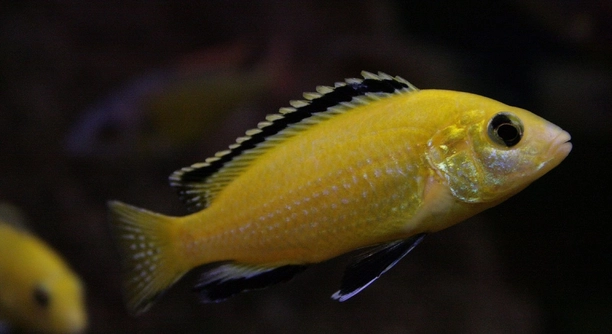
Do you ever find yourself watching your African cichlid sit motionless for hours, unsure if something is wrong or perfectly normal?
African cichlids often stay still for hours due to rest, environmental stress, or territory guarding. This behavior can also reflect changes in water conditions, illness, or natural routines tied to their unique social structure and habitat.
Understanding why your fish is acting this way can help you better care for its needs and spot potential problems before they grow.
Common Reasons African Cichlids Stay Still
African cichlids often stay still when they are resting, especially after a period of high activity. Like many fish, they need calm moments to conserve energy. This is most noticeable at night or during quiet times in the tank. Poor water quality can also lead to inactivity. If the temperature, pH, or ammonia levels are off, cichlids may stop moving and appear unwell. Stress is another reason, often caused by sudden changes in their environment or aggression from other fish. Illness or internal parasites may also lead to stillness, often paired with changes in color or loss of appetite.
Some cichlids may stay still to guard their territory or protect eggs, especially if they feel threatened.
It’s important to look at the timing and frequency of this behavior. Occasional stillness is often harmless, but if it becomes a pattern, it could point to an issue needing your attention.
What to Watch For and When to Act
If your cichlid is still for long periods and shows no interest in food or interaction, it could signal a health problem.
Try to observe the tank conditions carefully. Make sure the water is clean and the temperature is consistent. Poor water quality is one of the most common reasons for changes in fish behavior. Use a reliable test kit to check ammonia, nitrite, nitrate, and pH levels. If anything is off, act quickly. A quiet or still cichlid can also be the target of aggression. Look for torn fins or signs of bullying. If necessary, rearrange the tank decor or use dividers to create safe zones. If your fish is breathing heavily, has faded colors, or appears bloated, it’s best to isolate it and consider speaking with a vet who specializes in aquatic animals.
Environmental Stress and Tank Conditions
Poor tank conditions are a major reason African cichlids stay still. Even small changes in water quality can affect their energy levels and behavior, especially if the tank isn’t properly maintained or monitored.
Cichlids are sensitive to ammonia spikes, pH swings, and low oxygen levels. A sudden change in temperature or overcrowding can also lead to stress. Inactivity is often their way of coping with discomfort. If your fish has recently been introduced to a new tank or if you’ve changed the layout, it may be feeling unsettled. To help, test the water regularly and keep a stable routine. Avoid overfeeding, as leftover food can affect the water. Use a reliable filter and add oxygen through air stones if needed. These small actions can keep your cichlid active and reduce stress-related behavior.
Even bright lights or loud noises near the tank can make a cichlid freeze. Their environment should feel safe and familiar. Use tank décor like caves or rocks to give them hiding places. Keeping their space calm and quiet helps them feel secure. If the lighting is too intense or if the tank is in a busy area of your home, consider small changes to reduce their stress. A calm fish is often a healthy fish.
Health Issues and Physical Signs
If your African cichlid is still for long periods and also skipping meals, illness could be the reason. Some diseases don’t show symptoms right away, so it’s important to act early.
Watch for other signs, like clamped fins, white spots, or labored breathing. These may point to conditions like ich, internal parasites, or bacterial infections. If your cichlid stays near the bottom and seems less responsive to your presence, it might be in pain or discomfort. Use a separate tank if you need to treat it, so the illness doesn’t spread. Medicines for common freshwater fish problems are available at pet stores, but always follow the directions closely. Keeping a log of behavior, feeding, and symptoms can help if you need to consult a vet. Regular check-ins with your tank can help you catch problems early, keeping your fish in better health.
Natural Behavior and Territory
Cichlids often stay still as part of normal behavior. They may be watching over their territory or observing other fish. This stillness can happen more often in mature or dominant individuals.
During breeding times, cichlids may guard eggs or protect a chosen spot. In these moments, staying still is completely natural.
When Stillness Isn’t a Problem
Not all stillness means something is wrong. If your cichlid is eating well, swimming normally at other times, and showing no signs of illness, occasional rest is part of its daily rhythm. They often remain motionless during rest or after eating. Some even stay still to stay hidden or out of conflict with others. These behaviors are usually short-lived and don’t need intervention. As long as the tank conditions are right and there’s no bullying or injury, quiet moments are normal. Staying familiar with your fish’s habits helps you tell the difference between natural pauses and warning signs.
Small Changes That Help
Adjusting the lighting, reducing tank noise, or rearranging décor can make a difference. Even a few hiding spots can help your cichlid feel more at ease.
FAQ
Why is my African cichlid lying at the bottom of the tank but still breathing?
This often points to stress, poor water quality, or early signs of illness. Check your water parameters first—ammonia, nitrite, and nitrate levels should be stable. If those look fine, observe for other symptoms like loss of color, rapid gill movement, or fin clamping. If these signs show up, it might be bacterial or parasitic. In that case, isolating the fish and treating it with appropriate medication can help. Also, make sure the tank has enough oxygen. Adding an air stone or improving water flow can make a big difference.
Can African cichlids sleep, and is that why they stay still?
Yes, cichlids sleep, and they usually do so at night or when the lights are off. During this time, they often remain motionless near the bottom or in a hiding spot. Their colors might dull slightly as part of their natural rest cycle. If your fish is still but active during the day, eating well, and showing no other signs of distress, this stillness is likely normal sleep. Just be sure to give them a regular day-night light cycle so their rest pattern stays consistent.
How can I tell if my cichlid is stressed or just resting?
Stress often comes with other signs. If your cichlid is hiding constantly, breathing quickly, losing color, or not eating, it’s likely stressed. Resting, on the other hand, usually looks calm and brief. If your fish is still for short periods but otherwise healthy and eating, it’s probably just resting. Always check water quality and monitor behavior changes. If stillness becomes frequent or lasts all day, it may be worth a closer look at the tank conditions and tank mates.
Do African cichlids need hiding spots?
Yes, they do. Hiding spots help reduce stress, especially in tanks with more than one fish. Rocks, caves, and plants give your cichlids space to retreat and feel secure. These spots also help reduce aggression by giving fish the chance to avoid each other. Without proper hiding places, some fish may become territorial or nervous, which often leads to long periods of stillness. Adding more cover can lead to a more active and balanced tank.
Is it normal for African cichlids to stop moving after eating?
Yes, some cichlids become still after eating, especially if they’ve had a large meal. This resting period helps them digest. If this stillness only happens after feeding and your fish returns to normal activity soon after, it’s not a concern. However, avoid overfeeding, as it can cause bloating and make them uncomfortable. Feed small amounts once or twice a day and watch their behavior closely.
Could tank mates be causing my cichlid to act this way?
Yes, aggressive or overly dominant tank mates can make cichlids stay still out of fear or stress. Watch for chasing, nipping, or one fish always hiding. If this happens, rearrange the tank to disrupt established territories or separate the aggressive fish. Even placing a temporary divider can help give the stressed fish time to recover. Choosing compatible species is key when setting up a cichlid tank.
Why is my African cichlid still but upright and alert?
This is often a sign of observation or mild caution. Cichlids are intelligent and tend to watch their surroundings. If your fish is upright, alert, and not showing signs of stress or illness, it may just be paying attention or holding its position in the tank. Some fish do this more often than others, especially in social tanks.
How long can an African cichlid stay still before it becomes a concern?
If your fish stays still for more than a few hours and shows other signs like lack of appetite, clamped fins, or odd swimming patterns, it’s best to act. Start with a water test, check temperature, and look for signs of bullying. If nothing stands out and the behavior continues, consider a vet visit or aquarium specialist for a closer look.
Final Thoughts
African cichlids are unique fish with strong personalities and specific needs. It’s normal to see them sit still from time to time, especially when they’re resting, guarding territory, or just adjusting to changes in their environment. Stillness alone doesn’t always mean something is wrong. But it’s still important to pay attention to how often it happens and what other signs show up. Looking at the full picture—how they eat, move, and interact—can help you understand if your fish is behaving normally or if something might be off. Regular observation and a steady routine go a long way in keeping your cichlids healthy.
Water quality plays a big role in how your cichlid acts. If the tank isn’t clean or balanced, your fish may become quiet or stop moving for long periods. That’s why regular water testing is so important. Check the temperature, pH, and ammonia levels weekly, and make small changes when needed. Adding hiding places like rocks and plants can help your fish feel safe, especially in tanks with multiple cichlids. These small steps help reduce stress and create a space where your fish can rest, explore, and behave naturally without fear or discomfort. Don’t forget to watch how they get along with other fish, since stress from aggression can also lead to long periods of stillness.
If you notice your cichlid staying still more than usual, try not to panic right away. Take a moment to check the tank setup, the water quality, and how the fish has been eating and swimming. A few calm moments here and there are normal and often harmless. But if the stillness is paired with other changes—like hiding, breathing problems, or skipped meals—it’s time to take action. You might need to adjust the tank or even speak to an aquatic vet. Cichlids are strong, but they rely on us to give them a space where they can thrive. With some care and patience, it’s possible to fix most problems early and keep your fish happy, healthy, and active.

Hello,
If you enjoy the content that we create, please consider saying a "Thank You!" by leaving a tip.
Every little bit helps us continue crafting quality advice that supports the health, happiness, and well-being of pets around the world, for pets of all shapes, sizes, and species.
We really appreciate the kindness and support that you show us!