
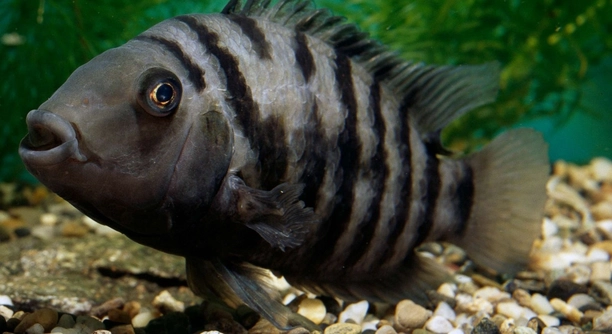
African cichlids are known for their unique behavior of guarding a single rock in their habitat. This practice plays a significant role in their daily lives and survival. Many find this behavior fascinating and worth exploring further.
African cichlids guard a single rock primarily to protect their breeding territory and offspring. This rock provides a secure site for laying eggs and raising young, reducing the risk of predation and competition from other fish.
Understanding the reasons behind this behavior offers insight into their natural instincts and how they interact within their environment.
The Importance of Territory in African Cichlids
Territory plays a crucial role in the lives of African cichlids. Guarding a single rock gives them a defined space where they feel safe and in control. This rock acts as a central point for their activities, especially during breeding. Male cichlids often choose rocks that have ideal crevices or flat surfaces where females can lay eggs. By protecting this area, the males increase their chances of successful reproduction. It also helps reduce conflicts with other fish by clearly marking boundaries. When a cichlid defends its rock, it is sending a signal to others to stay away. This behavior reduces stress and fighting, which can be harmful. The rock becomes more than just a hiding spot; it becomes a home base that supports the cichlid’s survival and growth. This focus on a single rock shows how important specific locations are for these fish in the wild and in captivity.
Territorial behavior is driven by survival and reproduction needs. Protecting a single rock helps maintain these critical functions.
Having a solid territory provides stability in a fish’s life. It minimizes risks from rivals and predators, allowing the cichlid to focus on feeding and raising offspring. This territorial focus influences their daily routines and social structure, creating a balance in their environment that benefits both individuals and the group as a whole.
How Guarding Benefits Offspring
Guarding a single rock ensures that eggs and fry are safe from predators. African cichlids are very protective parents, often chasing away intruders. This vigilance increases the chances that their young will survive the vulnerable early stages of life. The rock’s crevices and surfaces offer hiding spots where eggs can be laid securely. By sticking close to this spot, parents can quickly respond to threats. The protection also limits disturbance from other fish that might eat the eggs or young. In some species, both parents share the duty of guarding, which strengthens the chances of survival. The consistent presence of the guarding fish creates a safer environment for the offspring. This careful defense is key to maintaining healthy populations in both natural habitats and home aquariums. Without such protection, many eggs and young would fall prey to other aquatic creatures.
Choosing the Right Rock
The choice of rock is critical for African cichlids. They prefer rocks that offer protection and space for breeding. The texture and shape help in egg attachment and provide shelter from predators. Not all rocks are suitable; the right one influences their behavior.
Rocks with flat surfaces or small crevices allow cichlids to lay eggs securely. These features provide a stable place for eggs and shelter for fry once they hatch. Rough surfaces also help the eggs stick firmly. The size of the rock must be manageable for the fish to defend effectively. Larger rocks might be harder to guard, while very small ones do not provide enough space. This balance is important for the cichlids’ success in reproduction and territory control.
Environmental factors also affect rock choice. Water flow and quality around the rock can influence egg survival. Rocks placed in calmer areas reduce risks of eggs being washed away. The availability of suitable rocks in the habitat can determine where cichlids settle and breed, showing how crucial the physical environment is to their life cycle.
The Role of Aggression in Guarding
Aggression is a natural part of cichlids’ guarding behavior. It helps keep intruders away from their chosen rock, ensuring the safety of their territory. Without this aggression, the rock would not provide effective protection.
This aggressive behavior is carefully controlled and targeted. Cichlids will display threat postures and chase away rivals, but they rarely cause serious harm. Their goal is to maintain control over their territory rather than engage in constant fighting. This reduces the risk of injury while still protecting eggs and fry. Aggression is also a way to communicate dominance and establish social hierarchy within the tank or natural habitat.
Aggression plays a role in shaping the population dynamics around the rock. Weaker fish tend to avoid strong defenders, which helps maintain stable territories. This system prevents overcrowding and competition for limited resources. The balance between aggression and tolerance is key to the cichlids’ survival strategy, ensuring that the guarding fish can protect their young while coexisting with others nearby.
Rock Placement in the Aquarium
The placement of the rock in an aquarium affects how well cichlids can guard it. Rocks placed near hiding spots or plants offer additional security. Positioning the rock in a stable, accessible area helps the fish maintain control over their territory.
Proper placement also reduces stress. If the rock is too exposed or unstable, cichlids may struggle to defend it effectively. A well-placed rock encourages natural behavior and supports the health of the fish.
Impact of Water Conditions on Guarding
Water conditions influence how cichlids guard their rock. Clear, stable water helps parents spot threats early and respond quickly. Poor water quality can cause stress, reducing their ability to defend effectively. Temperature, pH, and hardness must be within ideal ranges for the species.
Maintaining good water conditions supports both the guarding behavior and the overall health of the fish. It creates an environment where cichlids can thrive and protect their offspring successfully.
Rock Size and Guarding Efficiency
Larger rocks can be harder to defend, while smaller rocks may not provide enough shelter for eggs and fry. The right size balances protection with defendability, making it easier for cichlids to maintain control over their territory.
Parental Care Beyond Guarding
Guarding is only part of the parental care African cichlids provide. They also clean and aerate eggs to ensure healthy development, showing how involved they are in raising their young.
FAQ
Why do African cichlids guard only one rock?
African cichlids focus on a single rock because it provides a secure and manageable area for breeding and protection. Guarding one spot allows them to defend their eggs and fry effectively without spreading their attention too thin. This behavior increases the survival rate of their offspring by minimizing threats in a defined territory.
How do cichlids choose which rock to guard?
Cichlids select rocks based on size, shape, and location. They prefer rocks with flat surfaces or crevices that provide shelter for eggs and young fish. The rock’s position in the tank or natural habitat is also important; calmer waters and nearby hiding places make some rocks more attractive for guarding.
Can cichlids guard multiple rocks at once?
Typically, cichlids do not guard multiple rocks because it is too challenging to defend several areas simultaneously. Their aggressive behavior and energy are focused on maintaining control over one territory to ensure effective protection.
What happens if the rock is disturbed or moved?
If the guarded rock is moved or disturbed, cichlids may become stressed and aggressive. They might abandon the site or try to reclaim and reestablish their territory. In captivity, frequent changes to the aquarium layout can disrupt their natural guarding behavior.
Do both male and female cichlids guard the rock?
In many species, males primarily defend the rock, while females stay close to lay eggs and care for the young. However, some species show shared parental duties where both parents guard and tend to the offspring, improving protection and survival chances.
How aggressive are cichlids during guarding?
Cichlids display controlled aggression to ward off intruders but usually avoid serious injury. Their behavior includes chasing, flaring fins, and threat postures, aimed at maintaining territory boundaries rather than causing harm. Aggression helps reduce competition and protect eggs.
Can cichlids live without a rock to guard?
While cichlids can survive without a specific rock, their natural breeding behavior and territorial instincts depend on having a suitable guarding spot. Lack of proper territory may cause stress, reduce breeding success, and lead to increased aggression among tank mates.
How does water quality affect guarding behavior?
Good water quality supports healthy guarding behavior. Clean, stable water conditions reduce stress, making cichlids more attentive and active in defending their territory. Poor water quality can weaken their immune system and reduce parental care effectiveness.
What type of rock is best for cichlids in an aquarium?
Aquarium-safe rocks with smooth or moderately rough textures that provide crevices and flat surfaces are ideal. Rocks should be stable and not prone to shifting or breaking. Avoid sharp or toxic materials that could harm the fish or affect water chemistry.
Is guarding behavior the same across all African cichlid species?
While guarding behavior is common among African cichlids, the intensity and style can vary. Some species are more aggressive and territorial, while others show more tolerance. The specific habitat and breeding habits influence how guarding is carried out.
How long do cichlids guard their rock?
Guarding usually lasts through the breeding cycle, from egg laying until fry become independent. This period can range from several weeks to over a month, depending on the species and environmental conditions.
What signs show that a cichlid is guarding its territory?
Signs include increased aggression towards other fish, frequent patrolling of the rock, and protective posturing. The cichlid will stay close to the rock, chase away intruders, and actively tend to eggs or fry during the guarding phase.
Can cichlids guard rocks in community tanks?
They can, but it depends on the tank size, rock placement, and tank mates’ temperament. Providing enough space and hiding spots helps reduce conflict. Monitoring behavior closely is important to prevent stress or injury in community setups.
Do cichlids recognize their guarding rock if it is moved?
Cichlids rely on location cues, so moving the rock can confuse them. They may try to relocate their territory or show stress until they adapt. Stability in the tank setup supports natural guarding behavior.
How does guarding behavior affect aquarium maintenance?
During guarding periods, cichlids may become aggressive, so handling the tank requires care. It’s best to avoid disturbing the territory or rearranging decorations, as this can cause stress and disrupt breeding.
Can guarding behavior be encouraged in captivity?
Providing appropriate rocks, stable water conditions, and a peaceful environment encourages natural guarding behavior. Avoid overcrowding and maintain consistent tank conditions to support breeding and territory defense.
African cichlids’ behavior of guarding a single rock is an interesting example of how animals adapt to their environment to survive and reproduce. This behavior helps them protect their eggs and young by creating a safe, controlled space. The rock acts as a home base where cichlids can defend their territory against rivals and potential threats. This focused guarding allows the fish to increase the chances that their offspring will survive the vulnerable early stages of life. It shows how important territory and shelter are to these fish, both in the wild and in captivity.
The choice of the right rock and its placement are key factors in the success of this behavior. Cichlids prefer rocks with certain features, such as flat surfaces or crevices, which provide shelter and support for egg attachment. Positioning the rock in a calm area helps protect the eggs from strong water currents and predators. In an aquarium, recreating these conditions is important to encourage natural guarding and breeding behavior. Additionally, the size of the rock matters because it needs to be large enough to provide protection but small enough for the fish to defend effectively. All these factors contribute to a balanced and healthy environment for African cichlids.
Guarding behavior is closely linked to the cichlids’ health and environment. Good water quality, proper temperature, and stable conditions help the fish feel secure and able to perform their natural behaviors. Stress from poor water quality or frequent disturbances can reduce their ability to guard effectively and harm breeding success. It is also important to understand their natural aggression during guarding, which is a controlled way to protect territory without causing harm. By providing the right environment and understanding these behaviors, keepers can support African cichlids in thriving and raising their young successfully. This knowledge helps create a better habitat for the fish and ensures their well-being in captivity.

Hello,
If you enjoy the content that we create, please consider saying a "Thank You!" by leaving a tip.
Every little bit helps us continue crafting quality advice that supports the health, happiness, and well-being of pets around the world, for pets of all shapes, sizes, and species.
We really appreciate the kindness and support that you show us!