
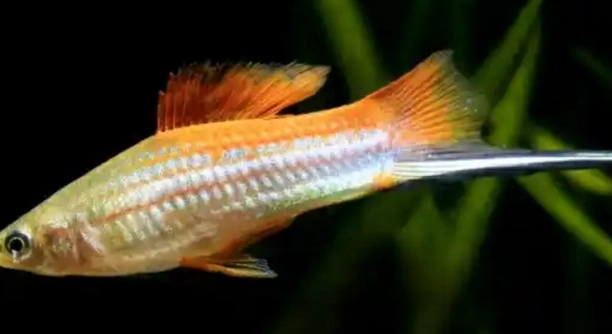
Swordtail fish are a popular choice for many aquarium enthusiasts. Their vibrant colors and lively nature make them an exciting addition to any tank. However, understanding when a swordtail is fully grown is essential for proper care.
Swordtail fish typically reach full growth by the time they are 4 to 6 months old. At this stage, they will have reached their maximum size, with males generally growing up to 4 inches and females around 5 inches.
Knowing when your swordtail is fully grown can help you provide the best environment for its needs. With the right care, these fish can thrive and continue to show off their beautiful colors.
Factors That Affect Swordtail Growth
Swordtail fish, like all aquatic creatures, grow at different rates depending on several factors. Water temperature is one of the main influences. Fish in warmer water tend to grow faster, but extreme temperatures can cause stress, slowing down growth. The type of food you provide also plays a significant role. A balanced, nutrient-rich diet ensures the fish gets the essential vitamins and minerals they need to develop properly. Additionally, the size of the tank can affect growth. A cramped space may limit their movement, which can hinder proper development. The presence of other fish is another factor; stress from aggressive tank mates can stunt growth.
Swordtail fish are hardy and can adapt to a variety of conditions. However, providing the right environment promotes optimal growth.
To help your swordtails reach their full potential, maintain a stable environment with proper water conditions, a varied diet, and plenty of space. Regular water changes and keeping the tank clean also ensure that they stay healthy and grow at a steady rate.
How to Tell When Your Swordtail is Fully Grown
It can be tricky to know when a swordtail is fully grown, but there are signs to watch for. One of the main indicators is the size of the fish. Once it has reached its maximum length—around 4 to 5 inches—growth slows down significantly. The male swordtails will develop the distinctive sword-like tail as they mature, while females will grow slightly larger without this feature. Another sign to look for is the change in behavior. Fully grown swordtails tend to be less active in terms of swimming speed, although they still enjoy socializing with tank mates.
Proper monitoring of their physical and behavioral development will help you confirm when they have reached maturity. This also helps ensure that you are providing the proper care.
Understanding their growth stages lets you adjust tank conditions, food, and care accordingly. Keeping an eye on their size and behavior can also prevent overfeeding, which can cause health problems.
Signs of a Healthy Swordtail Fish
A healthy swordtail fish shows a few obvious signs. It will swim smoothly and actively, avoiding signs of stress or sluggishness. Its colors should be bright, and the fins should be fully intact, with no ragged edges or tears. Healthy swordtails are also attentive and curious, exploring their environment.
If your swordtail’s color begins to dull, it could be an indication of poor health. Lack of movement or hiding too much may signal stress, illness, or a lack of space. Regular water changes and proper filtration ensure they remain in optimal health.
Another common sign of an unhealthy swordtail is erratic swimming or staying near the surface of the tank. These behaviors often point to water quality issues or an underlying disease. Keep a close eye on their eating habits as well; a sudden loss of appetite can indicate a problem. Providing a stress-free environment and a varied diet will help prevent most issues.
Feeding Your Swordtail for Proper Growth
Feeding your swordtail fish a balanced diet is essential for healthy growth. They are omnivores, meaning they thrive on a mix of plant and animal-based foods. A good diet includes high-quality flake food, along with occasional live or frozen foods like brine shrimp and bloodworms.
Swordtails need variety to stay healthy. While they will eat algae and plants in the tank, they should also be given occasional protein. Overfeeding can lead to obesity and water quality issues, so it’s important to give them small amounts throughout the day rather than large meals. Consider offering food two or three times a day.
When feeding swordtails, make sure the food is properly sized to their mouth, as large pieces can be difficult to consume and can cause digestive problems. Additionally, feeding them a mix of sinking and floating foods ensures they get the nutrients they need at every level of the tank.
Water Temperature and Swordtail Growth
Swordtail fish thrive in warm water, with an ideal temperature range of 72-82°F (22-28°C). Water that is too cold can slow down their growth, while water that is too hot can cause stress and health problems. Keeping the temperature stable is key.
A sudden drop or increase in temperature can shock your swordtails, affecting their immune system and growth rate. Use a reliable aquarium heater to maintain a consistent temperature. It’s also helpful to monitor the tank regularly with a thermometer to ensure that it stays within the desired range.
Tank Size and Its Impact
The size of the tank can have a direct impact on how well your swordtail grows. Swordtails require ample space to swim and explore, and overcrowded tanks can stunt their development. A 20-gallon tank is ideal for a small group of swordtails.
An overcrowded tank leads to higher stress levels, which can slow down growth. Swordtails need room to display their natural behaviors. In a cramped tank, they may become more aggressive, which can also hinder their growth. Keeping the tank clean and properly filtered is crucial for creating a healthy environment.
FAQ
How long does it take for a swordtail fish to reach full maturity?
Swordtail fish typically reach full maturity in about 4 to 6 months. During this time, they grow to their full size, which is about 4 inches for males and 5 inches for females. Growth rates can vary depending on factors like diet, water quality, and tank conditions. After reaching maturity, swordtails may continue to grow very slowly, but their size will remain relatively stable.
What should I feed my swordtail fish to encourage proper growth?
To encourage healthy growth, feed your swordtail fish a balanced diet that includes both plant and animal-based foods. High-quality flake food should be the staple of their diet, supplemented with occasional live or frozen foods like brine shrimp, bloodworms, and daphnia. You can also offer algae wafers or blanched vegetables for added variety. Swordtails are omnivores, so providing a mix of protein and plant matter helps maintain their health and supports proper growth. Avoid overfeeding, as this can lead to obesity and poor water quality.
Can swordtail fish live in cold water?
Swordtail fish prefer warm water temperatures between 72-82°F (22-28°C). While they can tolerate slightly cooler temperatures for short periods, consistently cold water can slow their growth and lead to health problems. If the water temperature drops below 70°F (21°C) for an extended time, swordtails may become lethargic, less active, and more prone to diseases. A consistent, warm environment is essential for promoting healthy growth and behavior. Using a reliable heater can help maintain the ideal water temperature for your swordtails.
How can I tell if my swordtail fish is healthy?
A healthy swordtail fish will have bright, vibrant colors and swim actively. It should exhibit normal behavior like exploring the tank and interacting with tank mates. The fins should be intact, without any tears or ragged edges. Healthy swordtails should also have a good appetite, actively eating the food provided. Any sudden changes in behavior, such as hiding excessively, erratic swimming, or a loss of appetite, could indicate a problem. Keep an eye on their overall appearance, as dull colors or noticeable weight loss may be signs of illness or stress.
Do swordtail fish need a filter?
Yes, swordtail fish do need a filter. Maintaining good water quality is essential for their health and growth. Swordtails are hardy, but they still require clean water to thrive. A filter helps remove excess waste, debris, and harmful chemicals from the water, keeping the environment safe for the fish. Additionally, a filter helps maintain stable water parameters, which supports proper growth and development. Regular water changes and a good filtration system are key to keeping swordtails healthy and growing at their optimal rate.
Why are my swordtail fish not growing as expected?
If your swordtail fish are not growing as expected, there could be several factors at play. The water temperature may be too low, slowing down their growth. Swordtails need warm water to grow at a healthy rate, so ensure the tank is within the ideal temperature range of 72-82°F (22-28°C). Poor water quality, overcrowding, and insufficient or unbalanced diet can also hinder growth. Be sure to provide a variety of food and maintain a clean tank environment. If these factors are properly addressed, your swordtails should begin to grow at a healthier rate.
Can swordtail fish live with other species?
Swordtail fish are generally peaceful and can live well with other species in a community tank, as long as the tank mates are compatible. They are active swimmers and enjoy interacting with other peaceful fish, but aggressive species or overly large fish may stress them out or even harm them. Swordtails can sometimes become territorial, especially during breeding, so it’s best to keep them with other calm fish that don’t compete for space or food. Ensure the tank has plenty of hiding spots and swimming space for all inhabitants.
How can I breed swordtail fish?
Breeding swordtail fish is relatively easy, as they are livebearers. To encourage breeding, keep a group of swordtail fish with a mix of males and females in a tank with plenty of space and plants. The males will display their colorful fins and attempt to court the females. After mating, females can give birth to several batches of fry, usually every 4 to 6 weeks. Providing hiding spots for the baby swordtails will help protect them from adult fish, as they may be eaten. Keep the water clean and stable for the fry to thrive and grow.
What size tank do swordtail fish need?
Swordtail fish require at least a 20-gallon tank for a small group. The tank should be large enough to accommodate their active swimming habits and provide space for them to interact with tank mates. Overcrowding can lead to stress, disease, and stunted growth, so it’s important to maintain an appropriate tank size for the number of swordtails and other species in the tank. A larger tank will also help with maintaining water quality by reducing waste buildup. Regular water changes and good filtration are essential for keeping the tank environment healthy.
Final Thoughts
Taking care of swordtail fish is a rewarding experience, but it requires attention to their needs for healthy growth. From maintaining the right water temperature to providing a balanced diet, every aspect of their environment impacts their well-being. Swordtails are hardy fish, but they thrive best when their environment is carefully managed. They need space to swim, proper filtration to keep the water clean, and a stable temperature to ensure they grow to their full potential. With proper care, these colorful fish can live happily in your tank for several years.
Understanding when swordtails are fully grown is important for ensuring they receive the right care. As mentioned, they typically reach full size between 4 and 6 months of age. By this time, they will have developed their characteristic sword-like tails, and their growth rate will slow down. Knowing when they are fully grown helps prevent overfeeding, which can lead to health problems. It also allows you to adjust the tank conditions to maintain a healthy environment for adult swordtails. Whether you are breeding them or simply keeping them as pets, knowing their growth stages will help you provide the best care possible.
Swordtails are a great addition to any aquarium, especially if you take the time to understand their growth patterns and care requirements. With a little attention to detail, these active fish will thrive in a well-maintained tank. By providing a balanced diet, clean water, and adequate space, you will help your swordtails reach their full potential and enjoy a long, healthy life. If you keep these factors in mind, you will ensure that your swordtails stay vibrant and happy, bringing beauty and life to your aquarium for years to come.

Hello,
If you enjoy the content that we create, please consider saying a "Thank You!" by leaving a tip.
Every little bit helps us continue crafting quality advice that supports the health, happiness, and well-being of pets around the world, for pets of all shapes, sizes, and species.
We really appreciate the kindness and support that you show us!