
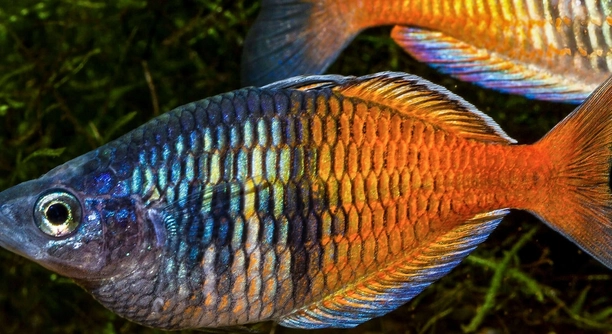
Rainbow fish are a popular choice for aquariums due to their vibrant colors and lively nature. Many aquarium enthusiasts want to know when these fish are fully grown. Understanding their growth stages is key to their care.
Rainbow fish typically reach their full size at around 12 to 18 months, depending on the species. Most will stop growing after this period, but may continue to fill out. Proper care, including optimal water conditions, influences their growth rate.
Knowing when your rainbow fish is fully grown ensures proper care and helps avoid overfeeding. This understanding also contributes to maintaining a healthy, thriving environment for your aquatic pets.
Factors That Affect the Growth of Rainbow Fish
Rainbow fish growth depends on several factors. Water temperature plays a huge role, as warmer temperatures generally speed up their growth, while colder water slows it down. Similarly, water quality is crucial. Maintaining clean, well-filtered water ensures that the fish grow healthy and strong. Diet also impacts their growth rate. Providing a balanced diet of high-quality flakes, pellets, and live foods promotes faster and more consistent growth. The size of their tank and the presence of tank mates can influence their development as well.
Rainbow fish are social creatures, so being housed in a tank with similar species will encourage them to thrive. If they are isolated or stressed, their growth might slow down. The tank size matters, too. A crowded tank may stunt their growth, whereas a spacious tank allows them to move freely and grow to their full potential.
In conclusion, proper water conditions, diet, and tank setup are key to supporting the healthy growth of your rainbow fish. With these factors in check, you’ll have happy, thriving fish that reach their full potential.
How to Promote Healthy Growth in Rainbow Fish
Maintaining a consistent feeding schedule is important for your rainbow fish. Overfeeding can cause health issues, while underfeeding may hinder growth. Balancing this is essential to avoid stunted growth or obesity.
Providing variety in their diet, such as live or frozen foods, can help meet their nutritional needs and encourage steady growth. Ensuring that the fish have a stress-free environment in a spacious tank with suitable water parameters will also help them grow to their full size. Regular water changes will ensure their health, keeping the environment optimal for development.
The Right Tank Size for Rainbow Fish Growth
A proper tank size is essential for rainbow fish growth. The minimum tank size should be 20 gallons for a small group. A larger tank allows the fish to swim freely, which supports their development. If the tank is too small, they may become stressed, which can stunt their growth.
A spacious tank provides ample swimming space, which is important for their physical development. It also helps to maintain good water quality, as smaller tanks are harder to keep clean. Additionally, a well-sized tank allows for a variety of plants and hiding spots, making the environment more natural and beneficial for the fish.
Overcrowding in a tank is a common problem and can slow down growth. Fish need enough space to establish their own territories, especially when they reach maturity. A tank that is too small also leads to stress, which negatively impacts their health and growth.
The Importance of Consistent Water Quality
Rainbow fish are sensitive to changes in water quality. Regular water changes are crucial to keep the water parameters stable, especially pH and hardness. Water that is too acidic or too alkaline can slow down their growth and even cause health problems.
Maintaining a stable temperature range between 74°F and 80°F promotes healthy development. A good filtration system will help keep the water clean, reducing the chances of harmful bacteria or toxins building up. Testing the water regularly ensures you catch any imbalances before they affect your fish.
Water quality is not only about the temperature but also the presence of nitrate and ammonia levels. Keeping these levels low will prevent stress and allow your rainbow fish to thrive. Proper filtration and frequent testing are essential to maintaining optimal conditions.
Feeding Rainbow Fish for Healthy Growth
Rainbow fish need a balanced diet to grow properly. A mix of high-quality pellets, flakes, and live or frozen foods ensures they get all the nutrients they need. Feeding them multiple times a day in small portions helps keep their metabolism active and encourages steady growth.
Avoid overfeeding, as this can lead to poor water quality and health issues. Instead, feed small amounts they can finish within a few minutes. By providing a varied diet, you support their overall well-being and promote healthy growth. This approach will help maintain both their size and vibrant coloration.
Tank Mates and Their Effect on Growth
Rainbow fish do best when housed with other peaceful species. Tank mates should not be aggressive, as this can cause stress and inhibit growth. Avoid overcrowding, as it may lead to competition for food and space. Providing a calm, stable environment is key to promoting growth.
The Role of Light in Growth
Rainbow fish thrive under proper lighting conditions. A light cycle of 10 to 12 hours a day helps maintain their health and supports natural behavior patterns. Excessive light can stress them, so it’s important to use a timer to regulate it.
FAQ
When do rainbow fish reach full size?
Rainbow fish typically reach their full size between 12 to 18 months, depending on the species. Their growth rate can vary based on factors like diet, water temperature, and tank conditions. Some may grow faster in optimal conditions, while others may take longer. Once they reach their full size, they stop growing, though they may continue to fill out.
How fast do rainbow fish grow?
Rainbow fish generally grow quickly during the first year of life. In their first few months, they may grow about half an inch each month. After reaching about 6 months, their growth rate slows down. Proper diet, warm water temperature, and stable conditions can help accelerate growth.
What is the ideal water temperature for rainbow fish?
Rainbow fish thrive in water temperatures between 74°F and 80°F (23°C to 27°C). Keeping the water within this range encourages optimal growth and health. Water that is too cold or too hot can lead to stress, lower immune function, and slow growth. A stable temperature is key.
Do rainbow fish need a specific pH level?
Yes, rainbow fish prefer slightly acidic to neutral water, with a pH range of 6.5 to 7.5. It’s important to maintain this level to keep them healthy and promote proper growth. A drastic shift in pH can cause stress, making them more vulnerable to diseases and affecting their development.
Can rainbow fish live in freshwater tanks?
Rainbow fish are freshwater species and thrive in well-maintained freshwater tanks. They do not require brackish or saltwater to grow. However, the water must be kept clean and stable, with regular changes to maintain the best environment for their health and growth.
What do rainbow fish eat to grow properly?
Rainbow fish need a varied diet to support their growth. A combination of high-quality pellets, flakes, and live or frozen foods like brine shrimp, bloodworms, or daphnia will help meet their nutritional needs. Providing a variety of foods ensures they get a well-rounded diet for healthy development.
How long can rainbow fish live?
Rainbow fish typically live for about 5 to 8 years in captivity, although some can live even longer with proper care. Maintaining stable water conditions, providing a good diet, and reducing stress can help extend their lifespan and ensure they remain healthy throughout their life.
Can rainbow fish live with other fish species?
Rainbow fish are peaceful and generally get along with most other peaceful fish species. It’s best to keep them with similar-sized fish that won’t compete too aggressively for food or space. Avoid keeping them with highly territorial or aggressive species, as this can cause stress and slow their growth.
How often should I change the water in a rainbow fish tank?
To maintain healthy water quality, it’s recommended to change 20-30% of the water every 1-2 weeks. Regular water changes help remove toxins, maintain stable water parameters, and prevent the build-up of harmful substances like nitrates and ammonia. This ensures that your rainbow fish grow in a healthy environment.
What is the best tank size for rainbow fish?
Rainbow fish need a minimum tank size of 20 gallons, but a larger tank is better, especially if you plan to keep multiple fish. A 30-40 gallon tank allows for more swimming space, which supports their growth. Overcrowding can stress the fish and hinder their development, so give them ample room to thrive.
Do rainbow fish need plants in their tank?
Rainbow fish benefit from having live plants in their tank. Plants provide hiding spots, create a natural environment, and help maintain water quality by absorbing excess nutrients. While they may not rely on plants for shelter, having them in the tank enhances the overall health and well-being of the fish.
Final Thoughts
Rainbow fish are relatively easy to care for and can thrive in home aquariums when their basic needs are met. Providing a spacious tank with clean, well-maintained water and a varied diet will help them grow healthy and strong. These fish are also peaceful, making them suitable for community tanks with other non-aggressive species. While they are not the fastest growers, they will reach their full size within a year or so if given the right conditions.
Growth is influenced by several factors such as water temperature, tank size, and the quality of food they receive. Maintaining a stable water temperature between 74°F and 80°F, along with proper filtration and regular water changes, will encourage them to grow at their best rate. A variety of foods, including live and frozen options, ensures they get the nutrition they need. Overfeeding should be avoided, as it can lead to poor water quality and health problems.
Ultimately, patience is key when keeping rainbow fish. With the right care, these beautiful, vibrant fish will flourish and provide enjoyment for years. By maintaining stable water conditions, a balanced diet, and a peaceful environment, you’ll ensure that your rainbow fish reach their full potential. Regular monitoring of their tank, along with occasional adjustments, will help you maintain a healthy setup. With these tips in mind, you’ll be able to watch your rainbow fish grow into their full size and enjoy their colorful presence in your aquarium.

Hello,
If you enjoy the content that we create, please consider saying a "Thank You!" by leaving a tip.
Every little bit helps us continue crafting quality advice that supports the health, happiness, and well-being of pets around the world, for pets of all shapes, sizes, and species.
We really appreciate the kindness and support that you show us!