
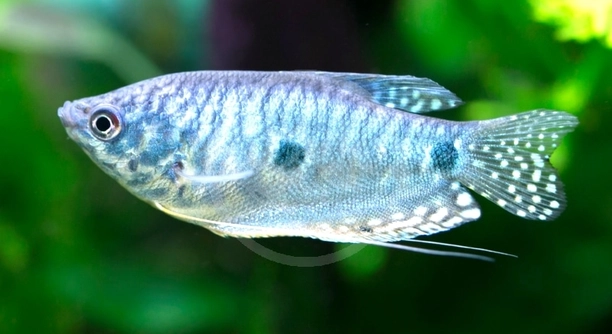
Gouramis are popular aquarium fish known for their vibrant colors and calm demeanor. However, many aquarium enthusiasts wonder when these fish reach their full size. Understanding their growth process is important for maintaining a healthy aquarium.
Gouramis typically reach their full size around one to two years, depending on their species and environmental factors. Most gouramis grow to a size between 2 to 6 inches, with some larger species reaching up to 8 inches in length.
Understanding the growth timeline will help ensure you provide the best care for your gourami, promoting their health and well-being in your tank.
Factors That Affect Gourami Growth
The size of a gourami can vary based on several factors. Water temperature plays a major role in their growth rate. Warmer water tends to speed up their development, while cooler water can slow it down. Proper feeding is another key factor. A balanced diet, rich in nutrients, ensures healthy growth. On the other hand, poor water quality can stunt their growth or cause health issues, leading to smaller sizes. Overcrowding in the aquarium also prevents proper growth, as the fish may not have enough space to thrive.
Water quality is often overlooked but is critical for proper growth. Regular water changes and maintaining an appropriate pH level create a stable environment for your gourami. If the water quality is poor, it will affect the overall health of the fish, slowing growth.
Maintaining ideal conditions, such as consistent temperature, water quality, and proper feeding, directly impacts your gourami’s growth. Without these factors in check, you may notice stunted development or even health complications. Keeping your tank clean and ensuring a proper diet can go a long way in achieving healthy, full-sized gouramis.
The Importance of Space for Gouramis
Gouramis need ample space to grow and swim freely. Limited space in the tank can restrict their movement and growth.
Fish kept in overcrowded tanks tend to grow slower because they are stressed and have to compete for resources. Providing more space allows the fish to move comfortably, reducing stress and encouraging growth.
Gourami Species and Their Growth Rates
Different gourami species have varying growth rates and sizes. Some species, like the Dwarf Gourami, typically grow to around 2 inches, while others, like the Giant Gourami, can reach up to 8 inches. The type of gourami you have in your tank will directly affect how large they get.
The growth rate can also be influenced by the species’ natural habitat. Gouramis from smaller, more confined environments tend to stay smaller, while species from larger bodies of water generally grow bigger. It’s important to know the specifics of your gourami’s species to set realistic expectations for their size.
Understanding the growth rate for your specific species helps with planning the space and tank setup. Knowing their potential adult size ensures that you are providing the right environment. If your gourami is still growing, allow enough space for them to reach their full size without overcrowding.
The Role of Feeding in Growth
A balanced diet is essential for gouramis to reach their full growth potential. In the wild, they consume a variety of food, from insects to algae. In an aquarium, you should offer a mix of high-quality flakes, pellets, and occasional live or frozen foods.
Overfeeding or underfeeding can affect their growth. While it’s tempting to feed them more often, excess food can pollute the tank and harm the fish. On the other hand, not providing enough food will slow their development. Be sure to monitor their intake to strike the right balance.
The right food also ensures that your gourami receives all the nutrients it needs for optimal health. Vitamins and minerals from varied foods help them grow faster and stronger. Regular feeding, combined with a clean environment, promotes steady and healthy growth.
Tank Environment and Its Impact on Growth
The environment in which your gourami lives greatly impacts its growth. A clean tank with optimal water conditions encourages healthy growth. Proper filtration and regular water changes are essential for keeping the water quality high.
Without the right water parameters, such as temperature, pH, and hardness, growth can be stunted. Too much ammonia or nitrites can harm the fish and hinder development. A stable environment helps prevent stress, which can slow growth and affect overall health.
Creating the best environment for your gourami involves monitoring water conditions regularly. A balanced tank setup with appropriate lighting, plants, and hiding spots makes them feel comfortable, allowing them to thrive.
Temperature and Growth
Gouramis are tropical fish, and they thrive in warmer water, ideally between 74°F and 80°F. The temperature directly influences their metabolism and growth rate.
If the water is too cold, their growth will slow, and they may become more susceptible to disease. On the other hand, higher temperatures encourage faster growth, but can also cause stress if it’s too high. Consistency is key.
Stress and Its Effect on Growth
Stress can significantly impact the growth of your gourami. Overcrowding, aggressive tankmates, or sudden changes in water parameters can cause anxiety, affecting their health.
FAQ
When do gouramis stop growing?
Gouramis typically stop growing around 1 to 2 years of age, depending on the species. Smaller species, like the Dwarf Gourami, tend to reach their full size sooner, while larger species like the Giant Gourami may take a little longer to reach their full size. The environmental conditions, such as water temperature and food availability, can also affect their growth.
How big do gouramis get?
The size of a gourami can vary greatly depending on the species. Dwarf Gouramis usually reach around 2 inches, while other species like the Three-Spot Gourami may grow up to 4 inches. Larger species, such as the Giant Gourami, can reach up to 8 inches or more. Knowing your specific species can help you plan your tank setup accordingly.
What factors affect how quickly a gourami grows?
The growth rate of a gourami is influenced by several factors, including water temperature, food quality, tank space, and overall water quality. Warmer water speeds up metabolism, encouraging faster growth. A proper diet rich in nutrients ensures that the fish get the vitamins and minerals they need. Overcrowding or poor water conditions can slow down growth or cause health issues, stunting their development.
How can I make my gourami grow faster?
To promote faster growth, ensure your gourami has a clean tank with high-quality water. Maintain an optimal water temperature between 74°F and 80°F to support faster metabolism. Feed them a balanced diet, including high-quality flakes or pellets, and supplement with live or frozen food. Providing enough space in the tank also reduces stress, which can help speed up growth.
Can a gourami grow too large for my tank?
Yes, if you have a larger species of gourami, such as the Giant Gourami, it may eventually outgrow smaller tanks. While smaller species, like the Dwarf Gourami, are ideal for compact setups, larger species require bigger tanks to accommodate their growth. Generally, an aquarium size of at least 30 gallons is recommended for medium-sized gouramis, while larger species need upwards of 50 gallons or more.
What happens if my gourami isn’t growing as expected?
If your gourami isn’t growing as expected, it could be due to poor water conditions, lack of proper nutrition, or overcrowding. Regular water changes, maintaining the right water parameters, and providing a balanced diet can help. Stress and health problems, such as parasites or illness, can also hinder growth. Ensure your gourami has a peaceful environment with no aggressive tankmates.
Do gouramis grow faster in larger tanks?
Yes, larger tanks can encourage faster growth for gouramis. A bigger tank provides more space for swimming, which helps reduce stress. Overcrowding can inhibit growth and cause territorial behavior. Providing enough room for each fish to have its own space ensures they grow to their full potential.
How often should I feed my gourami for optimal growth?
Gouramis should be fed once or twice a day, offering a small amount of food they can consume within a few minutes. Overfeeding can lead to water pollution and health issues, while underfeeding can slow growth. A varied diet, including pellets, flakes, and occasional live or frozen food, will ensure your gourami gets all the necessary nutrients for optimal growth.
Can stress prevent my gourami from growing?
Yes, stress can significantly hinder the growth of your gourami. Factors like aggressive tankmates, poor water conditions, overcrowding, or sudden environmental changes can cause stress. Stress impacts their immune system and metabolism, leading to slower growth and potential health issues. Keeping your gourami in a peaceful environment with stable water conditions is crucial for healthy development.
What water conditions are best for growing gouramis?
Gouramis thrive in stable water conditions with a slightly acidic to neutral pH (6.5 to 7.5). The water temperature should range between 74°F and 80°F to promote healthy growth. Regular water changes and proper filtration are key to maintaining optimal water quality. Avoid sudden changes in water parameters, as this can stress the fish and affect their growth.
Do gouramis need special care to grow well?
Gouramis require basic care, but providing them with a stable and clean environment is essential for healthy growth. Regular water changes, maintaining the proper water temperature, and offering a balanced diet will ensure your gourami thrives. Avoid overcrowding and keep the tank free of aggressive fish, as these conditions can cause stress and slow growth.
Is it normal for my gourami to grow slowly?
A slow growth rate can be normal, especially in the early stages of life. However, if your gourami continues to grow slowly after its first year, it could be due to poor water quality, diet, or overcrowding. Ensure you are providing the best care possible to promote healthy and steady growth.
Can I keep multiple gouramis in the same tank?
Yes, you can keep multiple gouramis in the same tank, but it’s important to consider the size of the tank and the species. Some species of gouramis, like the Dwarf Gourami, are more peaceful and can coexist with others. However, larger or more aggressive species may become territorial, so it’s best to keep them with compatible tankmates.
Can I speed up my gourami’s growth by adding more fish to the tank?
Adding more fish to the tank will not speed up your gourami’s growth. In fact, overcrowding can lead to stress, poor water quality, and slower growth. It’s better to focus on maintaining optimal water conditions, providing proper food, and giving your gourami ample space to grow without the stress of overcrowding.
Final Thoughts
Understanding when a gourami is fully grown and how to promote its healthy growth is essential for aquarium owners. While the growth rate can vary based on species, water conditions, and diet, there are a few key factors to keep in mind. The most important are providing a stable and clean environment, feeding a balanced diet, and maintaining the right water parameters. By paying attention to these aspects, you can ensure that your gourami grows to its full potential.
It’s crucial to remember that different gourami species have different growth rates and ultimate sizes. Smaller species, such as the Dwarf Gourami, reach maturity quickly, while larger varieties, like the Giant Gourami, can take longer to reach their full size. Regardless of the species, the conditions in the tank will greatly influence the rate at which your fish matures. A peaceful environment, proper tank size, and suitable water quality all play a role in healthy growth.
In conclusion, by setting up the right environment and following basic care guidelines, you can ensure your gourami’s growth is steady and healthy. Maintaining consistent water conditions, providing high-quality food, and preventing stress are the keys to raising a happy and fully grown gourami. With patience and proper care, you’ll be able to watch your fish thrive.

Hello,
If you enjoy the content that we create, please consider saying a "Thank You!" by leaving a tip.
Every little bit helps us continue crafting quality advice that supports the health, happiness, and well-being of pets around the world, for pets of all shapes, sizes, and species.
We really appreciate the kindness and support that you show us!