
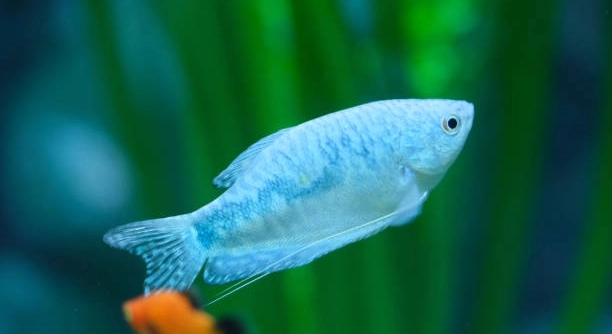
Have you ever noticed your gourami suddenly ignoring their partner after spending weeks swimming closely side by side in the tank?
The most common reason gourami stop following their partner is a change in environmental or social conditions. Stress, overcrowding, illness, or territorial disputes may disrupt their usual pairing behavior and lead to temporary or permanent disconnection.
Changes in their behavior can signal something more than just a passing mood, and understanding these shifts can help maintain a balanced aquarium.
Why Gourami Stop Following Their Partner
When gourami stop following their partner, it’s often linked to environmental stress or tank changes. These fish are sensitive to shifts in water quality, temperature, and social dynamics. Even slight increases in ammonia or nitrate levels can cause behavioral changes. If their partner becomes aggressive, sick, or withdrawn, the other fish may stop following to avoid conflict or illness. Overcrowding also creates tension, especially in smaller tanks. Gourami pairs often rely on consistency and space to maintain their bond. Disruption in feeding schedules, lighting, or the introduction of new tank mates can push them into a more solitary routine.
Ignoring each other can also be a reaction to injury or discomfort, especially if one fish is unwell or recovering from a previous issue.
Sometimes, their bond naturally fades over time, especially in mixed-species tanks or poorly matched pairs. Monitoring their daily behavior closely can help identify the early signs of disconnection.
What You Can Do to Help
Start by checking tank parameters and ensuring they meet your gourami’s needs without fluctuations in temperature, pH, or cleanliness.
A peaceful and stable tank environment encourages healthy social interactions between gouramis. Use a test kit to check ammonia, nitrite, and nitrate levels regularly. Maintain consistent water changes and avoid overcrowding. If one fish shows signs of illness, separate it in a hospital tank to reduce stress for the remaining one. Avoid frequent rearrangements or changes to the tank layout. Gouramis prefer familiar surroundings and need visual breaks to escape from each other when needed. Feeding a balanced diet and reducing outside stress like loud noises or sudden movements around the tank can also help. If they were once bonded and now avoid each other, give them time while keeping conditions ideal. In many cases, pairs gradually reconnect when stressors are removed.
Recognizing the Early Signs
When gourami stop following their partner, it doesn’t always happen suddenly. You might notice one fish becoming less active, avoiding certain areas of the tank, or spending more time hiding than usual. These small shifts often come before full disconnection.
Watch for subtle changes like uneven swimming patterns or one fish consistently lingering in a different corner. Reduced appetite or sudden aggression can also be early signs of stress or illness. If one gourami begins flaring its fins more frequently, especially without provocation, it may be a sign of discomfort or territorial frustration. Observing how they interact during feeding or when new objects are introduced to the tank can reveal if the pair is still coordinated or not. Often, when one fish begins to pull away, the other eventually stops following to avoid further tension. These shifts may seem minor at first but are important to catch early.
Pay attention to tank dynamics throughout the day. If the pair once swam in sync but now spend time apart, it may not be just a phase. Track behavior patterns, especially around feeding time and during rest. Avoid brushing it off as random behavior. Changes in their habits often reflect something deeper affecting their well-being.
When Separation Becomes Permanent
Some gourami pairs simply don’t reconnect. If weeks pass without change, it may be time to accept the separation. Forced pairing in pet stores, mismatched personalities, or age differences can affect long-term bonding. Even well-matched pairs may drift apart as they mature.
Permanent separation often becomes clear when both fish settle into independent routines without stress. They may eat well, remain active, and explore different parts of the tank on their own. In such cases, it’s best not to interfere or try to force interaction. Providing individual hiding spots, plants, or dividers can help reduce tension. It also allows both fish to establish their own space. If aggression persists from one side, long-term separation using a tank divider or moving one to another setup may be necessary. It’s natural to feel disappointed, especially if the pair had a strong bond before. But maintaining a peaceful environment matters more than preserving a pairing that no longer works.
Environmental Stress Factors
Fluctuating water temperature, poor filtration, or inconsistent lighting can cause discomfort for gouramis. These changes often lead to irritability or withdrawal, which affects how they interact with tank mates, including bonded partners. Stability is key to keeping their social behavior intact.
Loud noises near the tank or frequent tapping on the glass can startle them. Sudden movements, overcrowded surroundings, or irregular feeding schedules add to their stress. Small adjustments to their environment can have a big impact on how they relate to each other daily.
Importance of Space and Hiding Spots
Gouramis value personal space, especially when stressed. Adding plants, caves, or decorations helps break up their line of sight and gives each fish a place to retreat. Even bonded pairs need time apart. Without these breaks, tension builds, leading one fish to avoid the other. Separating their resting and feeding areas can reduce territorial behavior and promote more natural interaction. If one fish is being chased or cornered, it’s a sign the tank needs more structured spaces. A thoughtful layout supports calmer behavior and allows both gouramis to feel safe without forcing closeness.
Signs Things Are Improving
If the gouramis begin exploring together again or show relaxed swimming patterns near each other, things may be getting better. A steady appetite and less hiding are also positive signs.
FAQ
Why did my gourami stop following its partner all of a sudden?
Sudden changes in behavior can be caused by environmental stress, illness, or shifting social dynamics. A gourami may stop following its partner if it feels unwell, threatened, or no longer bonded. Check for changes in water quality, temperature, or the presence of new fish. Also look for signs of injury, clamped fins, or a loss of appetite. These can indicate physical issues affecting behavior. Sometimes, even well-bonded pairs grow apart as they mature.
Can two gouramis stop getting along even after being bonded for months?
Yes, long-term pairs can stop getting along. Gouramis are known to be peaceful, but their personalities may change over time. As they age, they can become more territorial or lose interest in social bonding. If one starts bullying the other, it’s best to separate them. Try rearranging the tank or adding new hiding spots. In some cases, the bond can’t be repaired. Keeping them in the same tank without stress may mean maintaining distance rather than forcing interaction.
How do I know if my gourami is lonely or just independent?
Loneliness often shows through lethargy, loss of appetite, or pacing. Independent fish still explore, eat well, and behave normally. Some gouramis simply prefer solitude, especially after conflict or stress. Watch their daily routine. If they’re active and responsive to food but avoid other fish, it may just be their natural behavior. If they appear withdrawn or stay in one spot most of the day, it might be worth checking for underlying health or environmental problems.
Is it normal for one gourami to follow and the other to ignore?
Yes, it happens often. In a pair, one fish may be more social while the other is more reserved. This imbalance can lead to one fish following while the other shows less interest. If both are healthy and not aggressive, it’s usually nothing to worry about. But if the follower becomes overly persistent or the other fish seems stressed, consider adjusting the environment or providing more distractions like plants or décor.
What tank setup helps reduce conflict between gouramis?
Use a well-planted tank with plenty of hiding spots. Floating plants help break line of sight and lower stress. Keep a low current and stable temperature around 76–80°F. Avoid overcrowding. For two gouramis, a tank of at least 20 gallons with structured zones works well. Give each fish space to explore without constantly running into each other. Keep lighting gentle, and don’t make major changes too often.
Should I separate my gouramis if one becomes aggressive?
Yes, if aggression continues beyond a few days, separation is best. Aggressive behavior includes chasing, fin nipping, or blocking access to food. Try a tank divider or move one to another tank. Leaving them together in this condition can lead to injury or constant stress. If they both seem peaceful but distant, it’s fine to leave them together as long as they have enough space and hiding options.
Can a gourami pair bond again after drifting apart?
Sometimes they can, but not always. If the distance was caused by temporary stress, illness, or a change in the tank, they may reconnect once things are stable again. Reintroduce them gradually by rearranging the tank and offering positive feeding experiences. Avoid forcing interaction. Let them adjust at their own pace. If tension continues, permanent separation might be better. Every gourami has a different tolerance for closeness.
What behavior shows that a gourami is relaxed around its partner again?
Signs of comfort include swimming side by side, feeding near each other, or gently exploring shared spaces. They may mirror each other’s movements or rest in the same area without signs of tension. No chasing, flaring, or hiding is a good sign. Even if they don’t follow each other constantly, peaceful coexistence means they feel safe.
Do male and female gouramis behave differently in pairs?
Yes, males tend to be more territorial, especially during breeding. Females are often calmer but can still become aggressive if stressed or crowded. Pairing a male and female can work well, but the tank must be large enough and set up to reduce tension. Same-sex pairs may need more space and monitoring. Always observe their behavior closely, especially after changes.
How long should I wait before deciding they’re no longer bonded?
Give it at least two to three weeks. Watch how they act during feeding and resting periods. If no improvement is seen and one fish becomes stressed or aggressive, it may be time to keep them apart. Sudden change doesn’t always mean the bond is broken permanently, but long-term distance and tension usually indicate a lasting shift.
Final Thoughts
When gouramis stop following their partner, it’s often a result of subtle changes in their environment or social dynamics. These shifts can happen over time or quite suddenly. Some fish become more independent as they mature, while others respond strongly to changes in water conditions or tank mates. It’s not always a sign of something going wrong, but it does mean their behavior deserves a closer look. Stress, illness, or even personality differences can lead one fish to distance itself from another. Understanding this behavior helps prevent unnecessary worry and allows for calm, informed steps forward.
Each gourami has its own personality and tolerance for social interaction. Even in pairs that once appeared bonded, natural shifts can create distance. These fish may still be healthy and content, just no longer as close as they once were. It’s important not to force interaction. Instead, ensure they have the space, plants, and hiding spots needed to feel secure. Watch for signs of stress or discomfort, such as hiding, not eating, or aggression. If those signs are present, separation might help. If they remain peaceful but distant, their bond may simply have changed, not disappeared completely.
Maintaining a stable, low-stress tank helps your gouramis feel comfortable whether they interact closely or not. Pay attention to temperature, water quality, and layout. Small changes in tank setup can have a big effect on behavior. If you notice distance between your fish, observe them calmly, give them time, and make adjustments as needed. Bonds may shift, return, or settle into something new. The goal is to keep both fish healthy and relaxed, even if they choose to go their separate ways. Watching their habits without jumping to conclusions is key to supporting their well-being long term.

Hello,
If you enjoy the content that we create, please consider saying a "Thank You!" by leaving a tip.
Every little bit helps us continue crafting quality advice that supports the health, happiness, and well-being of pets around the world, for pets of all shapes, sizes, and species.
We really appreciate the kindness and support that you show us!