
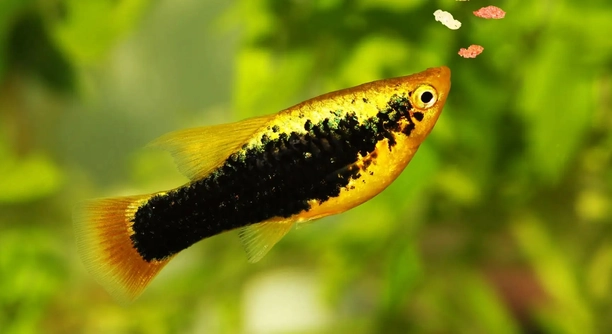
Platies are popular freshwater fish often kept in home aquariums. Many people enjoy watching them grow and thrive in their tanks. Understanding when platies reach full size helps in caring for them properly.
Platies typically reach full adult size between 6 to 12 months of age. Growth rates depend on factors like diet, water conditions, and tank environment. Proper care ensures healthy development and vibrant coloration in mature fish.
Knowing the growth timeline of platies can improve how you manage their habitat and nutrition. This guide will offer clear insights into their development stages.
Factors That Affect Platies’ Growth
Platies grow at different rates depending on several key factors. First, diet plays a major role—providing a balanced diet rich in protein and nutrients helps fish reach their full size faster. Water quality is another important element. Clean, well-filtered water with stable temperature and pH levels supports healthy growth. Tank size also matters; crowded tanks can stress fish, slowing their development. Additionally, genetics influence how quickly and how large a platy will grow. Some strains naturally stay smaller, while others get bigger. Regular monitoring of these factors can help ensure your platies develop properly. Paying attention to feeding schedules, water changes, and tank conditions creates an environment where platies thrive and reach their full potential.
Proper diet, water conditions, tank size, and genetics all affect platy growth rates. Maintaining good care habits leads to healthier, fuller-grown fish.
Understanding these factors will help you provide the best care possible. When growth slows or fish look unhealthy, reviewing these elements is the first step toward improvement.
Typical Growth Timeline for Platies
Platies generally grow fastest in their first three months, reaching about half their adult size in that time. During this period, they need a nutrient-rich diet and clean water. From three to six months, growth continues but slows down. By six months, most platies are nearly full-grown, although minor size increases may occur until around a year old.
After one year, growth usually stops, and the platy reaches its adult size. Keeping conditions stable after this point helps maintain health and coloration. It’s important to provide consistent care throughout these stages, including regular feeding and water maintenance. Tracking your fish’s size over time can help identify if they are growing as expected or if adjustments are needed. This timeline gives a clear expectation of what to look for as your platies mature in your aquarium.
Signs Your Platies Are Fully Grown
Adult platies typically show vibrant colors and full fins. Their size stabilizes, and they become less active than juveniles. These signs indicate maturity.
Platies usually reach about 1.5 to 2.5 inches when fully grown. At this stage, their body shape becomes more defined, with males often developing a pointed anal fin called a gonopodium. Females tend to be rounder and larger overall. Behavior also changes; mature platies are less skittish and swim more steadily. Watching these physical and behavioral cues can help you know when your fish has reached adulthood and is ready for breeding or long-term care.
It’s important to note that growth plateaus after maturity, but good care keeps your platies healthy and vibrant. Providing the right environment encourages natural behavior and lifespan, making it easier to recognize their fully grown state.
How to Support Healthy Growth in Platies
Consistent feeding with high-quality food is essential for steady growth. Avoid overfeeding to prevent water quality issues. Regular water changes also promote a healthy tank environment.
Maintaining proper water parameters, such as temperature between 72–78°F and pH around 7.0, supports growth and overall health. A well-filtered tank reduces toxins and waste buildup, preventing stress that can stunt development. Including live or frozen foods occasionally adds variety and nutrients. Monitoring tank mates is also important, as aggressive fish can cause stress and injury. Providing ample space allows platies to swim freely, encouraging muscle development. Combining these care practices creates the ideal conditions for your platies to grow fully and stay healthy over time.
Common Growth Problems in Platies
Slow or stunted growth often results from poor water quality or inadequate nutrition. Stress from overcrowding also affects development.
If platies do not grow as expected, check tank conditions and diet first. Adjusting these can help restore healthy growth.
When to Consider Upgrading Your Tank
As platies grow, they need more space to swim comfortably. A larger tank reduces stress and promotes better health.
Providing at least 10 gallons for a small group supports their activity and growth. More space means cleaner water and less competition among fish, which helps maintain a stable environment.
Monitoring Your Platies’ Health
Keep an eye on changes in behavior, appetite, and appearance. These can signal health or growth issues.
Regular observation helps catch problems early, ensuring your platies stay healthy and grow properly.
FAQ
How long does it take for platies to fully mature?
Platies usually reach full maturity between 6 to 12 months. Their growth is fastest during the first three months, then gradually slows until they stop growing after about a year. Proper care during this time helps ensure they reach their full adult size.
What size do adult platies typically reach?
Adult platies are generally between 1.5 and 2.5 inches long. Males tend to be smaller and slimmer, while females are larger and rounder. Size can vary slightly depending on genetics and tank conditions.
Can platies grow bigger in larger tanks?
While tank size affects health and activity, it doesn’t significantly increase maximum size. Larger tanks reduce stress and improve water quality, helping platies grow to their natural potential.
What should I feed platies for best growth?
A balanced diet with quality flakes or pellets designed for tropical fish is important. Supplementing with live or frozen foods like brine shrimp or daphnia encourages healthy development and vibrant colors.
How often should I feed my platies?
Feed small amounts 1 to 2 times daily. Overfeeding can harm water quality, causing health issues. Remove leftover food to keep the tank clean.
Does water temperature affect growth?
Yes, keeping water between 72°F and 78°F supports healthy metabolism and growth. Temperatures outside this range can slow growth or cause stress.
What water conditions help platies grow best?
Stable pH around 7.0, low ammonia and nitrite levels, and regular water changes help create a healthy environment. Clean water reduces stress and supports strong immune systems.
Can platies stop growing if they are stressed?
Stress from overcrowding, aggressive tank mates, or poor water quality can slow or stop growth. Reducing stressors and improving conditions usually restores growth.
How do I know if my platies are fully grown?
Look for stable size, developed fins, and vibrant colors. Adults swim steadily and behave calmly compared to younger fish.
Is breeding related to growth?
Yes, breeding platies are mature adults. Males develop a gonopodium, and females may appear rounder due to pregnancy. Proper growth is essential for successful breeding.
What should I do if growth seems slow?
Check water quality, diet, and tank size first. Improving these factors often helps. Avoid overcrowding and keep the environment stable.
Are there health issues that affect growth?
Diseases, parasites, or infections can stunt growth. Watch for unusual behavior, discoloration, or spots. Early treatment helps prevent long-term problems.
Can platies regrow fins or recover from injury?
Platies can regenerate fins if they receive proper care and a clean environment. Healing takes time, and good water quality is crucial during recovery.
Do genetics play a big role in growth?
Yes, some platy strains grow larger or faster naturally. Genetics set the potential size, but environment and care influence actual growth.
How important is tank maintenance for platy growth?
Regular cleaning, water changes, and filter maintenance are critical. A well-maintained tank supports stable conditions that encourage healthy growth.
Can I mix platies with other fish for growth benefits?
Mixing peaceful species can reduce stress and promote a calm environment. Avoid aggressive or fin-nipping fish that can harm platies and stunt growth.
What happens if platies grow too fast?
Rapid growth can sometimes indicate overfeeding or poor water quality, leading to health issues. Balanced care ensures steady, healthy development.
How long do platies live once fully grown?
With good care, platies can live 2 to 3 years, sometimes longer. Maintaining proper conditions after maturity supports longevity.
Is lighting important for growth?
Moderate lighting helps fish maintain natural behavior and coloration. Too much light can stress platies, while too little may affect feeding habits.
Can I encourage platy growth by adding supplements?
Adding vitamins or supplements occasionally can benefit health but should not replace a balanced diet. Consult aquarium care guides before use.
These answers cover common concerns and help ensure your platies grow healthy and strong throughout their life.
Platies are a popular choice for many aquarium owners because they are easy to care for and grow fairly quickly. Understanding when they are fully grown helps ensure they get the right care at each stage of their life. Platies usually reach their adult size between six months and a year. During this time, they need a balanced diet, clean water, and enough space to swim comfortably. Paying attention to these basic needs supports healthy growth and keeps them vibrant and active.
Growth in platies can be affected by many things. Proper water conditions, like stable temperature and clean water, play a big role. Feeding them good quality food in the right amounts also helps them grow well. Tank size and the presence of other fish influence their comfort and stress levels, which can impact their growth too. When platies feel safe and well cared for, they are more likely to reach their full size without problems. Regularly checking on their health and environment can prevent common issues and help you enjoy your fish longer.
Knowing when platies are fully grown is useful for making decisions about their care, tank setup, and even breeding. It also helps in understanding their behavior as they mature. Although growth usually slows down after one year, maintaining good care is important throughout their lives. Providing a stable and clean habitat encourages not only growth but also overall well-being. With proper attention and care, platies can thrive and bring lasting enjoyment to any aquarium.

Hello,
If you enjoy the content that we create, please consider saying a "Thank You!" by leaving a tip.
Every little bit helps us continue crafting quality advice that supports the health, happiness, and well-being of pets around the world, for pets of all shapes, sizes, and species.
We really appreciate the kindness and support that you show us!