
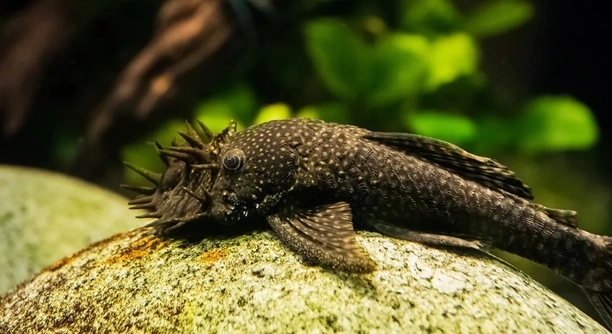
When caring for a baby pleco, temperature plays a significant role in their overall health. Ensuring the right conditions is essential for their growth and well-being. Maintaining a stable environment can help prevent potential issues.
The ideal temperature range for a baby pleco is between 74°F and 80°F (23°C – 27°C). Maintaining this consistent range promotes proper digestion, healthy growth, and minimizes stress, which can lead to disease or other health problems.
Understanding these temperature needs will help create the best environment for your baby pleco to thrive. This guide will explore how temperature impacts their health and growth.
Why Temperature Is Important for Baby Plecos
Temperature directly affects a baby pleco’s growth and overall health. If the water is too cold or too warm, it can cause stress, slowing down their development. Temperature fluctuations can also weaken their immune system, making them more prone to diseases. It’s essential to keep the tank within the recommended range to ensure their well-being. Babies are particularly sensitive to their environment, so any sudden temperature change can lead to issues like stunted growth, poor feeding, or even death. Maintaining a stable temperature promotes active behavior and helps them adapt better to their new home.
A stable temperature not only supports healthy development but also prevents stress that could lead to other health problems.
Feeding habits, activity levels, and overall behavior will be affected if the temperature isn’t right. For instance, if the water is too cool, baby plecos may become sluggish and eat less. They might also show signs of stress, such as hiding more often. On the other hand, water that is too warm can lead to faster metabolism, which, while seemingly beneficial, can cause premature growth and other complications. Keeping the tank temperature within the ideal range helps ensure the pleco is eating, growing, and staying active.
How to Monitor Tank Temperature
Monitoring the water temperature regularly is an easy but essential task. Using an aquarium thermometer can provide an accurate reading and help you keep track of any fluctuations.
Investing in a quality aquarium heater that can maintain the set temperature is also important. Many pleco owners choose heaters with a built-in thermometer for convenience. Having a consistent, reliable heat source reduces the chances of sudden temperature changes. You should also place the heater in a location with good water flow, ensuring that heat is distributed evenly throughout the tank. Regular checks will prevent any surprises and keep your baby pleco safe and healthy.
Ideal Temperature Ranges for Different Pleco Species
Different pleco species can have slightly different temperature needs. While most baby plecos thrive in a temperature range between 74°F and 80°F (23°C – 27°C), it’s important to research the specific species you own to make sure you’re meeting their needs.
For example, the common pleco is fairly adaptable, but other species, like the zebra pleco, may require slightly warmer temperatures around 78°F (25.5°C). Some plecos may tolerate slightly cooler temperatures, but prolonged exposure to temperatures outside the optimal range can cause stress. It’s critical to keep track of your pleco’s species to prevent future issues. Adjusting the water temperature to suit the specific pleco’s needs will lead to better growth and a more active fish.
To ensure the correct temperature range for your pleco species, regularly check the temperature and make any necessary adjustments. While some plecos are flexible, others are more sensitive to temperature changes and might require a more stable environment. Make sure you take these factors into account to avoid any disruptions to their development.
The Impact of Temperature on Pleco Behavior
When the water temperature is not within the optimal range, your baby pleco’s behavior will likely change. A cooler tank can make them sluggish, while an overly warm tank might cause them to be hyperactive or even stressed.
Behavior changes can indicate that something is wrong with the tank environment. If the pleco is swimming erratically or frequently hiding, temperature fluctuations could be the cause. These changes, while subtle, are important to notice. Stress can lead to a weakened immune system, which increases the chances of diseases and poor health. Maintaining a consistent temperature helps your pleco feel secure and less stressed.
Monitoring behavior helps you understand how well your pleco is adjusting to the water conditions. If the pleco seems overly active, or not moving much at all, it’s time to check the temperature. Temperature-related stress can be minimized with regular observation and proper adjustments. A healthy, stable temperature helps ensure that your baby pleco’s activity and overall behavior remain normal.
How to Adjust Water Temperature
If you need to raise or lower the temperature, do so gradually to avoid shocking your pleco. A sudden change can be harmful to their health. Use a reliable heater to gently adjust the water temperature within the correct range.
To raise the temperature, slowly increase the heater’s setting over several hours. Similarly, to cool the water, you can add cooler water in small amounts, being mindful of the pleco’s stress levels. Make sure to never change the temperature by more than 2°F (1°C) per hour. Gradual adjustments help maintain a safe environment for your pleco.
Be cautious with temperature adjustments. Rapid changes can cause stress and health issues. A slow, steady increase or decrease will help your pleco adjust comfortably and safely. Keeping the temperature stable prevents unnecessary shocks and promotes better overall health for your baby pleco.
The Role of Water Quality
Water quality plays an important role in maintaining your pleco’s health. A proper filtration system and regular water changes will ensure that the water is clean and the temperature stays stable.
Regular maintenance, like changing 10-20% of the water each week, prevents harmful toxins from building up. Proper water quality, combined with the correct temperature, will help your pleco thrive. Poor water conditions can lead to stress and compromise your pleco’s ability to cope with temperature fluctuations. It’s a good idea to test the water regularly to ensure it’s within the ideal range for both temperature and quality.
FAQ
What happens if my pleco’s water is too cold?
If the water is too cold, your baby pleco may become lethargic, hiding more often, and stop eating. Their metabolism slows down in cold water, which can affect their growth and health. Additionally, prolonged exposure to cold water weakens their immune system, making them more vulnerable to diseases. It’s important to monitor the water temperature regularly to avoid these issues and ensure your pleco stays active and healthy.
Can my baby pleco survive in a tank with fluctuating temperatures?
Fluctuating temperatures can cause significant stress to your baby pleco. They are sensitive to changes in their environment, and constant temperature fluctuations can lead to weakened immune systems, making them more susceptible to illness. A stable temperature is key to their well-being, so it’s essential to avoid major temperature shifts.
How can I tell if the water temperature is too high for my pleco?
If the water temperature is too high, your pleco may exhibit signs of stress such as rapid swimming, increased breathing, or erratic behavior. They may also become more prone to illness and show decreased appetite. Consistent high temperatures can speed up their metabolism, which, while it may seem beneficial, can lead to premature aging and poor health over time. It’s important to maintain the ideal temperature range for the best growth and overall health.
What is the best way to monitor water temperature for my pleco?
Using an aquarium thermometer is the most reliable way to monitor water temperature. You can choose between a digital or analog thermometer depending on your preference. Placing the thermometer near the middle of the tank, away from the filter or heater, will give you the most accurate reading of the water’s overall temperature. Regularly check the temperature to ensure that it remains consistent.
Should I use a heater for my pleco tank?
Yes, using a heater in your pleco tank is essential, especially if the ambient room temperature fluctuates. A reliable aquarium heater will help maintain the water temperature within the ideal range. Choose a heater that suits the size of your tank and has an adjustable thermostat, allowing you to keep the temperature consistent. Always ensure the heater is properly calibrated and monitored.
Can I keep my pleco in a tank with other fish?
Yes, baby plecos can generally be kept with other peaceful fish. However, it’s important to ensure that the other fish are not too aggressive, as this can cause stress to the pleco. Additionally, make sure the water temperature and quality meet the needs of all the species in the tank. Plecos can be territorial, so providing hiding spots will help reduce any conflicts with tank mates.
How long can a pleco live in temperatures outside the recommended range?
A baby pleco should not live in temperatures outside the recommended range for extended periods. If the temperature stays too high or too low for more than a few days, it can cause irreversible damage to their health. It’s important to address any temperature issues promptly to avoid stress, poor growth, and a weakened immune system. In extreme cases, prolonged exposure to unsuitable temperatures could lead to the death of the pleco.
What are some signs that my pleco is stressed due to temperature issues?
Signs of temperature-related stress in your pleco can include hiding more often, decreased appetite, rapid breathing, erratic swimming, or lethargy. Stress can also make them more susceptible to infections. It’s crucial to regularly monitor the water temperature and look for any changes in behavior that could indicate stress.
Is it safe to adjust the water temperature quickly?
No, it is not safe to adjust the water temperature too quickly. Rapid changes can shock your pleco and lead to stress or even death. Temperature adjustments should be gradual, increasing or decreasing by no more than 2°F (1°C) per hour. A slow and steady change will give your pleco time to adjust to the new conditions.
How often should I check the water temperature?
You should check the water temperature at least once a day, especially if you use a heater. This will help ensure that it remains consistent within the ideal range. If your tank is located in an area with significant temperature fluctuations, you may need to check it more frequently to avoid any sudden drops or rises in temperature. Regular monitoring helps maintain the health of your pleco.
Can temperature affect my pleco’s feeding habits?
Yes, temperature can significantly affect your pleco’s feeding habits. In cooler water, your pleco may become less active and eat less, while in warmer water, they may be more active and eat more. If the water temperature is outside the ideal range, your pleco may show little interest in food. Maintaining a stable, ideal temperature helps ensure that your pleco is eating regularly and growing at a healthy rate.
Final Thoughts
Maintaining the right temperature for your baby pleco is essential for its health and growth. A temperature range between 74°F and 80°F (23°C – 27°C) is ideal for most species, but it’s crucial to know the specific needs of the pleco species you own. Fluctuations in temperature can stress your pleco, affecting its behavior, appetite, and overall well-being. Consistency is key in ensuring your pleco thrives, so avoid sudden changes in temperature.
Monitoring the water temperature regularly with an aquarium thermometer is the best way to ensure your pleco is living in an environment that promotes healthy development. Using a reliable heater, especially if the room temperature is unstable, will help keep the water within the proper range. When adjusting the temperature, do so gradually to avoid shocking your pleco. Sudden changes can have serious consequences, so small adjustments over time are always safer.
In addition to temperature, the water quality should also be maintained for your pleco to stay healthy. A clean tank helps prevent diseases, and regular water changes support stable conditions for both temperature and water quality. By combining these factors — a proper temperature, a stable environment, and good water quality — your baby pleco can grow into a strong and healthy adult. Always monitor your pleco’s behavior to ensure it is comfortable, as any signs of stress should be addressed promptly to maintain its health.

Hello,
If you enjoy the content that we create, please consider saying a "Thank You!" by leaving a tip.
Every little bit helps us continue crafting quality advice that supports the health, happiness, and well-being of pets around the world, for pets of all shapes, sizes, and species.
We really appreciate the kindness and support that you show us!