
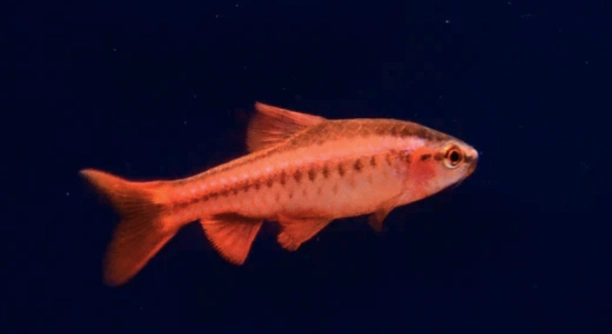
Cherry Barbs are small, active fish known for their bright colors and friendly nature. Keeping them in the right group size is essential for their well-being. In this article, we explore the ideal school size for these popular aquarium fish.
The minimum school size for Cherry Barbs is typically five to six fish. This group size ensures they feel secure and display natural behaviors, like schooling and social interaction, which reduces stress and promotes healthy, active living.
Understanding how to maintain the right group size for Cherry Barbs will help keep them healthy and happy. Keep reading to learn more about their social needs and how to care for them properly.
Why Group Size Matters for Cherry Barbs
Cherry Barbs are social creatures that thrive in groups. In the wild, they swim in schools for protection, and this behavior carries over into aquariums. A larger group helps them feel safe, reducing stress and encouraging natural behavior like swimming together and interacting with one another. When kept alone or in small groups, they may become shy or stressed, affecting their health and activity levels. Proper schooling helps maintain their colors and keeps them active and playful.
Choosing the right number of fish is key. Without enough company, they can become anxious and less vibrant, which can make them more vulnerable to illness. A healthy school size encourages bonding and promotes positive behaviors.
If you want your Cherry Barbs to be happy, aim for a school of at least five or six fish. This size will allow them to feel secure and more active. Larger schools are even better, but five to six is a good starting point for a healthy, active group.
Can Cherry Barbs Live Alone?
Cherry Barbs can survive alone, but it’s not ideal. They are much happier when kept in a group with others of their kind. Their behavior improves, and they become more vibrant when surrounded by other Cherry Barbs.
Having a group of Cherry Barbs helps them display natural behaviors. They swim together, interact, and generally look much more active when they feel part of a group. They will be much more comfortable and confident when they have others to interact with. In contrast, a single Cherry Barb will likely become stressed, withdrawn, and may not show its full potential in terms of color or activity.
If you only have space for one or two Cherry Barbs, consider keeping other peaceful fish with them. However, a dedicated school of at least five to six Cherry Barbs is the best way to ensure they stay happy and healthy.
The Impact of Group Size on Behavior
When Cherry Barbs are in a group, they are more active and playful. They swim together, explore their environment, and interact with each other. These behaviors are crucial for their mental well-being. If they are kept alone or in too small a group, they can become stressed and withdrawn.
Socializing with other Cherry Barbs brings out their natural traits. You will notice their bright colors and energetic movements when they feel comfortable in a group. Without companions, they may hide more often and become lethargic, which can affect their overall health. Providing the right group size encourages positive behaviors like active swimming and social interaction, which are essential for their happiness.
A group of five to six Cherry Barbs helps them feel secure and reduces their stress levels. The more fish you have, the more likely they are to display these lively behaviors. If you can, consider a larger group of eight to ten. A well-sized school will allow them to thrive and express themselves fully.
How School Size Affects Tank Dynamics
Tank dynamics can change significantly with different school sizes. A small group of Cherry Barbs may stick to one part of the tank, while a larger group will roam and explore the entire space. A larger school creates more movement and interaction, which adds to the overall activity of the tank.
The more Cherry Barbs in your tank, the more balanced the dynamics become. Larger schools of fish often interact with other tankmates better and seem more confident. They will swim throughout the tank, creating an engaging environment for both the fish and anyone observing. You may notice other peaceful species also becoming more active when Cherry Barbs are around in larger groups.
With larger schools, the chances of aggression or territorial behavior reduce. Cherry Barbs in groups focus on socializing and staying with their school, avoiding unnecessary stress or fights. This results in a more peaceful aquarium environment, where everyone in the tank can live harmoniously.
Maintaining Water Quality with a Larger School
Larger groups of Cherry Barbs can help maintain better water quality. More fish means more waste, but it also encourages better filtration and helps establish a balanced ecosystem. A well-maintained aquarium ensures the fish remain healthy and active in their group.
However, with a larger school, it’s important to monitor water quality regularly. Increased waste can lead to higher levels of ammonia and nitrate, which may affect the health of the fish. Consistent water changes and proper filtration are necessary to maintain a clean, healthy environment for a larger group of Cherry Barbs.
When the water is clean, the fish thrive, and you’ll see fewer signs of stress or disease. The larger group also naturally helps disperse waste and nutrients throughout the tank, which supports overall health. Keeping water quality in check with a school of Cherry Barbs leads to a more vibrant and active aquarium.
What Happens with Too Few Cherry Barbs
If you keep too few Cherry Barbs, their behavior changes drastically. They will not display natural schooling behavior and may become stressed. This can affect their overall health and appearance.
Without enough schoolmates, Cherry Barbs are more likely to become shy or timid, hiding in corners of the tank. This reduces their activity levels and vibrancy. Keeping at least five or six Cherry Barbs helps them feel secure and more comfortable in their environment, encouraging positive behaviors.
How Larger Schools Improve Their Colors
Larger schools of Cherry Barbs often show off more vivid colors. This is because they feel safer in groups, allowing them to fully express their natural beauty. The more fish you have, the more vibrant and active they become.
When Cherry Barbs are kept in groups of five or more, their colors appear brighter. This is a result of their increased comfort and reduced stress. Stress can cause their colors to fade, but a healthy school encourages the fish to show off their full spectrum of reds, oranges, and yellows. Larger groups also allow for better interactions and more opportunities for the fish to engage with one another, which directly contributes to their vibrant appearance.
FAQ
What is the best minimum group size for Cherry Barbs?
The best minimum group size for Cherry Barbs is five to six fish. This group size allows them to feel safe and secure, which helps them express their natural behaviors. Smaller groups or individual fish may become stressed, which could affect their health and activity. A group of at least five is ideal to ensure they remain active and vibrant in your tank.
Can Cherry Barbs live with other species?
Yes, Cherry Barbs are peaceful and can live with other species in a community tank. They typically get along well with other small, non-aggressive fish. Just ensure that the other species are compatible in terms of temperament and water requirements. Avoid keeping them with overly aggressive fish, as this can lead to stress and fighting.
Can Cherry Barbs be kept alone?
Cherry Barbs can be kept alone, but it’s not ideal. They are naturally social creatures, and being alone can cause them to become stressed and withdrawn. If you can’t keep a group, try to have at least one other peaceful fish in the tank. However, keeping a small school of five or six is always better for their well-being.
How do I know if my Cherry Barbs are stressed?
Stressed Cherry Barbs may exhibit signs such as hiding in corners of the tank, not eating, or losing their bright colors. If you notice your Cherry Barbs are behaving this way, it could indicate they are not in a group large enough to feel secure, or there may be an issue with water quality. Check the tank environment and water conditions to ensure everything is suitable for them.
What size tank do Cherry Barbs need for a school?
For a school of five to six Cherry Barbs, a tank size of at least 20 gallons is recommended. A larger tank is preferable if you plan to add more fish or other species. Cherry Barbs are active swimmers, so providing ample space allows them to thrive. The bigger the school, the larger the tank should be to maintain water quality and a healthy environment.
How do Cherry Barbs interact with each other in a school?
Cherry Barbs are peaceful and enjoy interacting with each other in their school. They swim together, often in tight groups, and display natural behaviors like schooling and socializing. This interaction helps them feel secure, reduces stress, and promotes healthier, more vibrant fish. They may also engage in subtle displays of dominance or courtship, but these behaviors are typically not aggressive.
Can I mix Cherry Barbs with bettas?
While Cherry Barbs are peaceful, bettas can be more aggressive, especially males. It’s generally not recommended to mix male bettas with Cherry Barbs, as bettas may see the smaller fish as a threat or target them. However, female bettas are less aggressive and may tolerate Cherry Barbs better. Always monitor interactions to ensure everyone is getting along well.
What water conditions do Cherry Barbs need?
Cherry Barbs prefer slightly acidic to neutral water with a pH between 6.0 and 7.5. They also thrive in temperatures between 74°F and 80°F. Regular water changes and good filtration are essential to maintain optimal water quality. Keeping the water conditions stable helps reduce stress and promotes healthy behaviors in the fish.
Do Cherry Barbs need a lot of decorations in the tank?
While Cherry Barbs don’t need an overly decorated tank, they do appreciate having some plants, rocks, or hiding spots. These features allow them to explore and feel secure. Providing some cover can help them feel less stressed, especially in larger tanks with multiple species. However, they also enjoy open spaces to swim in, so balance is key.
How often should I feed Cherry Barbs?
Cherry Barbs should be fed small amounts of food two to three times a day. Overfeeding can lead to water quality issues, so it’s better to feed them small portions that they can finish in a few minutes. A varied diet that includes flakes, pellets, and occasional live or frozen foods helps keep them healthy and vibrant.
Are Cherry Barbs good for beginners?
Yes, Cherry Barbs are a great choice for beginner fish keepers. They are hardy, easy to care for, and tolerant of a wide range of water conditions. Their peaceful nature makes them suitable for community tanks, and they don’t require specialized care. With proper tank maintenance and water quality, they can thrive for years.
How do Cherry Barbs reproduce?
Cherry Barbs are egg layers. During the breeding season, males become more colorful to attract females. Once a female is ready to breed, she will lay eggs, and the male will fertilize them. After spawning, it’s important to remove the adults to avoid them eating the eggs. The eggs will hatch in a few days, and the fry will start swimming after a week or two.
What other fish are compatible with Cherry Barbs?
Cherry Barbs do well with other peaceful species like guppies, tetras, and rasboras. They also get along with other barbs, like the Odessa or Gold Barb, as long as the other species is not aggressive. Avoid large, predatory fish that could see the Cherry Barbs as prey.
How can I improve the colors of my Cherry Barbs?
To enhance the colors of your Cherry Barbs, ensure they are kept in a proper-sized school and in stable, clean water. A varied diet that includes high-quality pellets and occasional live or frozen food can boost their color. Lowering stress and providing adequate hiding places in the tank also encourages their bright colors to shine.
Do Cherry Barbs need strong filtration?
Cherry Barbs do not require extremely strong filtration, but they do need consistent, moderate water flow. Strong filters can stress them out, especially in smaller tanks. Ensure your filtration system maintains good water quality without creating strong currents that could make the fish uncomfortable. Regular water changes are just as important as having a reliable filtration system.
Final Thoughts
Cherry Barbs are peaceful, active fish that do well in schools. The minimum group size for these fish is usually five to six, and keeping them in larger groups is even better. A healthy school allows Cherry Barbs to feel secure and display natural behaviors like swimming together and interacting. Without the proper group size, they can become stressed, which may lead to hiding, loss of color, or lethargy. Maintaining a proper school size helps your Cherry Barbs thrive and ensures they are more vibrant and active.
When it comes to tank dynamics, having a group of Cherry Barbs can help keep the tank more balanced. A school of Cherry Barbs is not just good for the fish but also for other species in the tank. Since Cherry Barbs are peaceful, they won’t cause aggression toward tankmates, which can promote a calmer environment. With the right school size, the overall activity level of the tank will increase. This creates a more lively atmosphere, with the Cherry Barbs swimming through the tank and interacting with their surroundings and other fish.
The key to keeping Cherry Barbs happy is not just the group size, but also maintaining the right water conditions. Cherry Barbs thrive in slightly acidic to neutral water with temperatures between 74°F and 80°F. They also enjoy plants and decorations in the tank that allow them to hide and explore. With a proper-sized school, clean water, and suitable tankmates, your Cherry Barbs will have a healthy and stress-free environment. In turn, they will stay active, colorful, and healthy for a long time. Keeping their social needs in mind is the first step to ensuring they lead happy lives in your aquarium.

Hello,
If you enjoy the content that we create, please consider saying a "Thank You!" by leaving a tip.
Every little bit helps us continue crafting quality advice that supports the health, happiness, and well-being of pets around the world, for pets of all shapes, sizes, and species.
We really appreciate the kindness and support that you show us!