
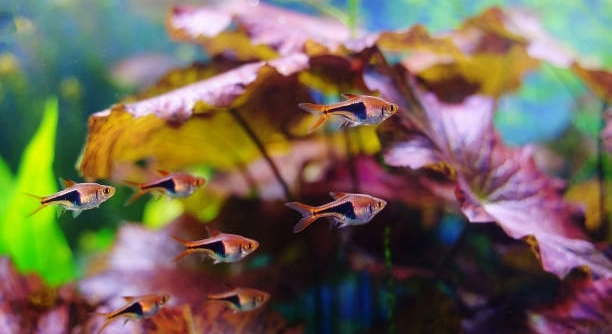
Have you ever brought home a group of rasboras and started thinking about how long they might stay with you in your tank?
The average lifespan of a rasbora is typically around five years, though this can vary depending on the specific species and quality of care. Proper tank conditions, clean water, and a balanced diet can help them live longer.
Understanding what influences their health and longevity can help you create a stable environment where your rasboras can thrive for years.
How Long Do Rasboras Live in Captivity?
When kept in a well-maintained aquarium, most rasboras live around five years. Harlequin rasboras, one of the most common species, often reach this age with proper care. Some other types, like the Chili rasbora, may have slightly shorter lifespans due to their small size and delicate nature. Tank size, water parameters, and stress levels all play a part in their overall health. Stable conditions, minimal aggression from tank mates, and a consistent feeding routine can help extend their lives. Although rasboras are hardy, they respond poorly to frequent changes in environment. Sudden shifts in temperature or pH can impact their immune system. To keep them thriving, regular water testing and weekly partial water changes are important. They do best in soft, slightly acidic water and benefit from planted tanks that mimic their natural habitat. When their basic needs are met, rasboras can live peaceful, active lives in your aquarium.
Some rasboras may live beyond five years, especially when kept in low-stress environments with careful monitoring and minimal disruptions.
Feeding quality food, avoiding overcrowding, and paying attention to behavioral changes will make a difference. These small steps often go unnoticed but can quietly extend their lifespan. Keeping an eye on details helps prevent problems before they grow.
Factors That Shorten Their Lifespan
Many rasboras live shorter lives due to poor water quality, fluctuating temperatures, or stress from incompatible tank mates. Overstocking, skipped water changes, and improper feeding are also common causes of early death in these fish.
Water quality is the biggest factor that affects how long rasboras live. They are sensitive to ammonia, nitrite, and even high levels of nitrate. If the water is not filtered properly or the tank is overstocked, harmful compounds can build up quickly. Even short-term exposure can weaken their immune system, making them more vulnerable to disease. Rasboras also need a consistent temperature, ideally between 72°F and 80°F. Constant temperature shifts can stress their system and shorten their lives. Another issue is housing them with aggressive or fin-nipping fish. This leads to chronic stress, which suppresses immunity and impacts appetite and behavior. Finally, feeding them a poor-quality or unbalanced diet can reduce their vitality. Small flakes or pellets suited for micro fish, along with the occasional frozen or live food, help maintain their health. Regular observation and small daily habits are key to prevention.
How to Help Your Rasboras Live Longer
Rasboras do better when they live in stable, clean tanks with plenty of swimming space. Avoid overcrowding, and try to keep them in peaceful groups of at least six to reduce stress and support natural behavior.
A consistent care routine goes a long way in keeping rasboras healthy. Start by testing the water weekly and keeping ammonia and nitrite at zero. Do partial water changes every week, replacing 25–30% of the water. Use a heater to maintain a steady temperature and avoid sudden changes. Feed them high-quality micro pellets or flakes once or twice a day, with frozen foods like daphnia or brine shrimp a few times a week for variety. Light should be moderate, and the tank should have hiding spots and plants to make them feel secure. When these small needs are met regularly, rasboras stay more active and show brighter colors.
Watching how your rasboras behave helps you catch problems early. Look for signs like hiding more than usual, clamped fins, or refusing food. These can mean something is off with the water, or that a fish may be sick. Quarantine any new fish before adding them to your main tank to avoid spreading illness. Taking time to notice small changes can protect your whole tank. Regular check-ins help you build a stronger routine and improve your rasboras’ chances of a longer, healthier life.
Tank Setup That Supports Longevity
Rasboras thrive in planted tanks with gentle filtration and low current. A 10- to 20-gallon tank is ideal for a small school. Use soft, slightly acidic water, and add natural decor to mimic their wild habitat.
Set up the tank with fine gravel or sand as the substrate and add live plants like java fern, anubias, or floating plants to give them places to hide and feel safe. A sponge filter works well, providing gentle movement without disturbing their swimming. Keep the temperature between 74°F and 78°F, and maintain pH around 6.5 to 7. Light should follow a regular cycle—around 8 to 10 hours per day—to support plant growth without stressing the fish. Driftwood and leaf litter can also help create a more natural feel and soften the water slightly. Keep them in peaceful groups, and avoid pairing them with fin-nippers or overly active species that might disturb them.
Common Health Problems in Rasboras
Rasboras can suffer from fin rot, ich, and internal parasites if the tank isn’t kept clean. Poor water quality weakens their immune system, making them more likely to get sick from bacteria or parasites in the tank.
Stress from sudden changes or aggressive tank mates can lead to disease. Watch for faded color, clamped fins, or unusual swimming. These are early signs something may be wrong and should be addressed quickly.
Choosing the Right Tank Mates
Keep rasboras with calm, peaceful species like small tetras, Corydoras, or dwarf gouramis. Avoid large or aggressive fish that might chase or nip at them. Good tank mates make a big difference in reducing stress and supporting better health over time.
Breeding Can Affect Lifespan
Frequent breeding can shorten a rasbora’s life by putting extra strain on its body. If you don’t plan to raise fry, avoid encouraging spawning too often. Letting them rest between breeding cycles helps maintain their long-term health.
FAQ
Can rasboras live more than five years?
Yes, rasboras can sometimes live longer than five years, especially when kept in very stable and well-maintained environments. Factors like consistent water quality, a peaceful tank setup, and a balanced diet help them reach the upper end of their lifespan. While five years is common, some rasboras, particularly the hardier species, have been known to live six or even seven years when given excellent care. Still, this is not the norm, and most will fall somewhere between three and five years, depending on conditions.
What temperature is best for rasboras?
The best temperature range for rasboras is between 74°F and 78°F. Staying within this range helps support their metabolism and immune function. Sudden drops or spikes can cause stress, which lowers their resistance to illness. A reliable heater is helpful, especially in cooler climates or during seasonal temperature swings. Using a thermometer makes it easier to monitor and maintain a steady environment. Rasboras may survive outside this range for short periods, but long-term exposure can lead to health problems.
How many rasboras should be kept together?
Rasboras are schooling fish and do best when kept in groups of at least six. A larger group makes them feel safer, encourages more natural behavior, and reduces stress. In smaller numbers, rasboras may become timid, hide more often, and even develop health issues over time. Keeping them in schools allows them to swim freely and display better color and activity. If you have the space, aim for 8 to 10 to create a more balanced and active group.
Do rasboras need a filter?
Yes, rasboras need a filter to help maintain water quality. A filter removes waste and helps keep ammonia and nitrite levels at zero. It also supports beneficial bacteria that are essential for breaking down toxins. A gentle filter, like a sponge or hang-on-back model with adjustable flow, is best. Rasboras do not like strong currents, so aim for soft water movement. Filters also improve oxygen levels in the tank, which supports their overall health and energy levels.
What do rasboras eat?
Rasboras eat small flakes, micro pellets, and frozen or live foods like daphnia, baby brine shrimp, and bloodworms. A varied diet helps ensure they get all the nutrients they need. Feed once or twice a day, giving only what they can finish in two minutes. Overfeeding can pollute the water, which harms their health. Switching up their meals now and then helps keep them active and supports brighter colors. Quality food supports both energy and long-term well-being.
Can rasboras live with shrimp?
Yes, rasboras can live with most freshwater shrimp species, especially larger ones like Amano or adult cherry shrimp. They usually ignore shrimp if they are not small enough to fit in their mouths. Baby shrimp may be eaten, but adult shrimp can coexist peacefully in planted tanks. Providing hiding spots and dense plants helps protect smaller shrimp. Keep an eye on how the fish behave and make sure neither species seems stressed or aggressive over time.
Do rasboras sleep?
Yes, rasboras do sleep, though not in the same way as humans. They rest by staying still near the bottom or in plants, usually when the lights are off. During this time, their color may fade slightly, and they move very little. It’s important to keep a regular day-night cycle in the tank so they can rest properly. Avoid sudden light changes, and let them settle during dark hours. Proper rest helps reduce stress and supports healthy immune function.
Can rasboras change color?
Yes, rasboras can change color slightly depending on their mood, health, and environment. When stressed, sick, or frightened, their colors may fade. Brighter, more vibrant colors often mean they are comfortable and healthy. Good lighting, proper food, and clean water help them maintain strong coloration. Changes that happen slowly or along with behavior changes can signal a health issue and should be checked. Watching their color helps you spot problems before they get worse.
Are rasboras easy to care for?
Yes, rasboras are considered easy to care for, especially for those who are consistent with tank maintenance. They are hardy and adapt well to many conditions as long as their water stays clean and they live in peaceful groups. They don’t need complicated equipment, and they respond well to basic care routines. A little attention to detail—like checking water parameters and feeding quality food—goes a long way in keeping them healthy. They’re a great choice for beginners who want active but low-maintenance fish.
Final Thoughts
Rasboras are peaceful, colorful fish that can live happy lives when given the right care. They do best in stable environments with clean water, gentle tank mates, and enough space to swim. Keeping them in a small school helps reduce stress and allows them to act naturally. With a little daily attention, rasboras can become active, healthy members of your aquarium for several years. Their care routine is not difficult, but it does require consistency and awareness of small changes in the tank.
Understanding what affects a rasbora’s lifespan is key to giving them a good life. Poor water conditions, stress, and a lack of proper food can shorten their time in your tank. Simple steps like testing the water weekly, using a heater, and feeding a varied diet make a big difference. Choosing peaceful tank mates also supports their well-being. If you want your rasboras to live longer, it’s not about doing anything extreme—it’s about doing the basics well and regularly.
Having rasboras in your tank can be a calm and rewarding experience. They’re not demanding, but they do rely on you to notice small things, like changes in behavior or water quality. The effort you put in often shows in their color, activity, and lifespan. Whether you’re new to fishkeeping or have kept tanks for a while, rasboras are a great reminder that even the smallest fish need care and attention to stay healthy over time. With the right setup and habits, you can enjoy watching them thrive for years.

Hello,
If you enjoy the content that we create, please consider saying a "Thank You!" by leaving a tip.
Every little bit helps us continue crafting quality advice that supports the health, happiness, and well-being of pets around the world, for pets of all shapes, sizes, and species.
We really appreciate the kindness and support that you show us!