
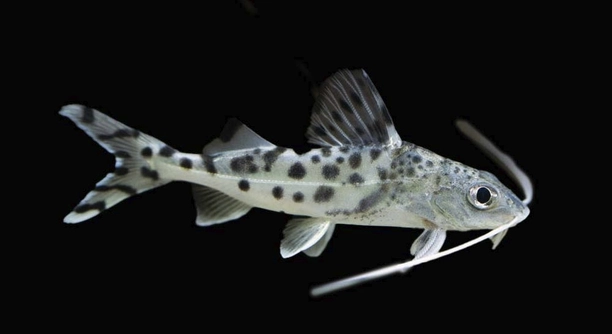
Pictus catfish are popular freshwater fish known for their active and social behavior. Many aquarium enthusiasts enjoy keeping them because of their unique patterns and lively nature. Understanding how to care for them properly is important for their well-being.
The ideal group size for pictus catfish is typically between five and seven individuals. This range promotes natural schooling behavior, reduces stress, and encourages healthy activity levels. Smaller or larger groups may negatively affect their social dynamics and overall health.
Knowing the right group size helps ensure a balanced and thriving aquarium environment. This article will provide clear guidance on how to keep pictus catfish happy and healthy.
Why Group Size Matters for Pictus Catfish
Pictus catfish are naturally social creatures that thrive when they have companions. Keeping them in groups helps reduce stress and encourages natural behaviors like schooling and foraging together. When kept alone or in very small numbers, these fish can become shy or even aggressive. Too large a group may lead to overcrowding and competition for space and food. Finding the right balance in group size is key to maintaining their health and activity levels. In the right-sized group, pictus catfish show more confidence and are less prone to hiding, making your aquarium more lively and enjoyable to watch.
Group size directly affects how pictus catfish interact and feel comfortable in their environment.
A balanced group size supports their social needs, reduces stress-related illnesses, and helps maintain a peaceful aquarium. Ensuring they have enough space for swimming and hiding spots also complements the group size, making the aquarium a safe and stimulating place for them to thrive.
Setting Up the Ideal Group
Start by providing enough tank space for the group size you choose. A minimum of 30 gallons is recommended for a small group of five to seven pictus catfish. Overcrowding can lead to poor water quality and increased aggression. Be mindful of their active swimming habits and ensure the tank has plenty of open space and hiding places.
Creating an environment that suits their natural behavior supports a healthier and calmer group dynamic.
Proper tank setup is essential for keeping pictus catfish comfortable and stress-free. Include smooth rocks, driftwood, and plants for hiding spots to help reduce aggression and give them a sense of security. Regular water changes and good filtration are also necessary to maintain water quality. Feeding should be consistent and adequate to prevent competition. Observing the fish daily will help you notice any signs of stress or imbalance within the group, allowing you to take action before issues escalate. This setup not only benefits their health but also makes the aquarium more appealing and natural.
Common Group Size Mistakes
Many keepers either overcrowd their tanks or keep too few pictus catfish. Overcrowding causes stress and poor water quality, while too small groups lead to loneliness and hidden behavior. Both situations harm the fish’s health and natural instincts.
Too few pictus catfish often become shy, hiding most of the time. Without enough companions, they don’t school or explore much, which reduces their activity and can lead to stress. On the other hand, overcrowding increases aggression and competition, causing constant stress and possibly injury.
Proper group size ensures pictus catfish show natural social behaviors. In an overcrowded tank, they may fight or compete for food, which lowers their overall well-being. Balancing group size with tank size and environment is necessary to keep them healthy and active.
Monitoring Behavior and Adjusting Group Size
Watching how your pictus catfish behave helps you know if the group size is right. Signs like frequent hiding, aggression, or lack of activity indicate a problem. Adjusting the number of fish or improving tank conditions can help fix these issues.
If aggression is high, try removing some fish or adding more hiding spots. When fish are hiding too much, increasing the group size or improving lighting and decorations might encourage activity. Keep track of changes after adjustments to ensure a balanced and peaceful aquarium. Responding quickly to behavioral signs supports long-term health and happiness in your pictus catfish.
Tank Size and Group Size Balance
The size of your tank limits how many pictus catfish you can keep comfortably. Larger tanks allow for bigger groups without overcrowding. Small tanks require fewer fish to maintain healthy water quality and space.
Providing enough swimming room is essential. Crowding reduces oxygen levels and increases stress, which harms fish health over time.
Signs Your Group Size Needs Adjustment
If pictus catfish are hiding excessively or showing aggression, the group size likely needs change. Balance their numbers to improve social harmony and reduce stress within the tank.
Compatibility with Other Fish
Pictus catfish generally do well with peaceful tank mates. Avoid aggressive or very territorial species, as they can disturb the catfish’s schooling and cause stress.
Feeding in Groups
Feeding multiple pictus catfish requires careful distribution of food to ensure all fish get enough. Unequal feeding may lead to competition or poor health in weaker individuals.
FAQ
What is the best group size for pictus catfish?
The best group size for pictus catfish is between five and seven. This number allows them to show natural schooling behavior and helps reduce stress. Smaller groups may cause loneliness, while larger groups can lead to overcrowding and increased competition for space and food.
Can I keep just one pictus catfish?
Keeping a single pictus catfish is not ideal. They are social fish that rely on their group for comfort and activity. Alone, they may become shy and hide often, which can lead to stress and poor health. It’s better to keep at least five to promote natural behavior.
How much space do pictus catfish need in a tank?
A minimum of 30 gallons is recommended for a small group of pictus catfish. This size provides enough swimming space and reduces stress from overcrowding. Larger tanks allow for bigger groups and better water quality, which benefits their health and behavior.
What happens if the group is too big?
Too large a group can cause overcrowding, leading to stress and aggression. Pictus catfish may fight over territory or food, and water quality can suffer from waste buildup. Overcrowding often results in weaker immune systems and increased risk of disease.
How do I know if my pictus catfish group size is wrong?
Watch for signs like constant hiding, aggression, or lethargy. Excessive hiding often means the group is too small or the environment is stressful. Aggression may indicate overcrowding or insufficient hiding spots. Adjusting group size or tank setup can help restore balance.
Can pictus catfish live with other fish?
Yes, pictus catfish do well with peaceful tank mates that won’t compete aggressively for food or space. Avoid aggressive or very territorial fish, as they can disturb the catfish’s natural schooling and cause stress or injury.
How should I feed pictus catfish in groups?
Feed small amounts of food distributed evenly across the tank to prevent competition. Pictus catfish are bottom feeders, so sinking pellets or wafers work well. Make sure all fish get enough food by observing feeding behavior and adjusting portions if needed.
Do pictus catfish need hiding places in the tank?
Yes, providing hiding spots like plants, rocks, or driftwood helps pictus catfish feel secure. Hiding places reduce stress and aggression, especially in larger groups. They also mimic the natural environment, encouraging natural behaviors and activity.
Can I add more pictus catfish later?
Adding new fish can work if done carefully. Introduce them slowly and monitor interactions to avoid aggression. Make sure the tank size and filtration can support a larger group to maintain water quality and space.
How often should I check on my pictus catfish’s behavior?
Daily observation is best. Regular checks help you spot early signs of stress, illness, or social imbalance. Prompt action can prevent problems from worsening and keeps your fish healthy and active.
Final Thoughts
Keeping pictus catfish in the right group size is important for their health and happiness. These fish are naturally social and do best when they have companions to interact with. When kept in groups of five to seven, pictus catfish show natural behaviors such as schooling and exploring. This group size reduces stress and helps them stay active. It also makes the aquarium more enjoyable to watch because the fish are lively and confident.
The size of the tank plays a major role in how many pictus catfish you can keep. Larger tanks allow for bigger groups without causing overcrowding. Small tanks need fewer fish to keep the water clean and the fish comfortable. Overcrowding can lead to stress, aggression, and poor water quality. These conditions can harm the health of the fish and may lead to illness. Providing enough swimming space and hiding spots helps maintain a calm and healthy environment. Hiding places also reduce stress and allow the fish to feel safe, which is important when they live in groups.
Monitoring the behavior of your pictus catfish regularly helps you know if the group size is right. Signs such as constant hiding, aggression, or lack of activity often indicate that something needs to be adjusted. This could mean changing the number of fish or improving the tank setup. Feeding the group properly and keeping the water clean are also essential for their well-being. With the right care, pictus catfish can thrive in a group setting. Making sure their social and environmental needs are met will lead to a peaceful and lively aquarium.

Hello,
If you enjoy the content that we create, please consider saying a "Thank You!" by leaving a tip.
Every little bit helps us continue crafting quality advice that supports the health, happiness, and well-being of pets around the world, for pets of all shapes, sizes, and species.
We really appreciate the kindness and support that you show us!