
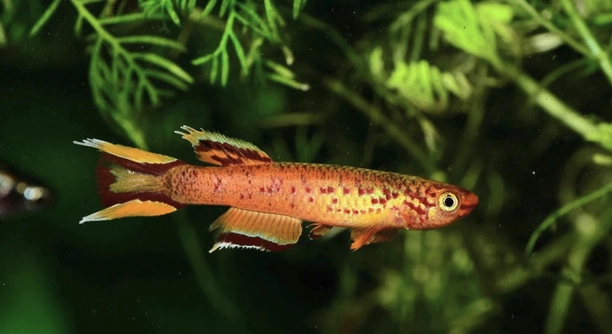
Have you ever kept killifish but struggled to maintain the right water conditions for their health and vibrant colors?
The ideal general hardness (GH) for most killifish species ranges between 4 to 8 dGH. This moderate mineral level supports their biological functions, including osmoregulation, while also creating an environment that closely resembles their natural habitats.
Exploring the role of GH helps you maintain stable conditions and gives your killifish the care they need to thrive.
Understanding General Hardness (GH) and Why It Matters
General hardness (GH) refers to the amount of calcium and magnesium dissolved in water. These minerals are important for fish health, particularly for osmoregulation and skeletal development. Killifish, being freshwater fish, prefer moderately soft to slightly hard water. In their natural habitats—streams, swamps, and temporary pools—GH levels tend to stay within a gentle range. Too much hardness can cause stress, while too little can weaken their immune system. Keeping GH between 4 to 8 dGH creates a balanced environment where killifish can thrive, show bright coloration, and behave naturally. This range also supports egg development in breeding pairs, which is important if you’re hoping to raise healthy fry. Testing your water regularly and using proper methods to adjust GH ensures a stable tank environment. Whether your killifish come from South America or West Africa, providing consistent water hardness tailored to their needs is one of the best ways to support their health.
A GH that’s too high or too low can affect their comfort, growth, and breeding success. Always monitor and adjust gradually.
Consistency in GH not only helps prevent sudden stress but also supports long-term health, especially for more delicate or wild-caught killifish species.
How to Test and Adjust GH for Killifish
Testing GH is simple with liquid test kits or GH test strips. Both provide fast results, but liquid kits tend to be more accurate.
To increase GH, add crushed coral, calcium carbonate, or commercial remineralizers. These dissolve slowly, raising the hardness without changing pH too quickly. When decreasing GH, use distilled or reverse osmosis (RO) water to dilute existing minerals. Always mix RO water with treated tap water or remineralize it, as pure RO lacks necessary elements for fish. Change the water gradually, and recheck the GH every few days to avoid fluctuations. For tanks with plants, make sure GH stays high enough to support both fish and flora. Be careful when using GH-raising additives, as overuse can lead to high mineral buildup. Pre-soaking driftwood or using Indian almond leaves won’t lower GH significantly, but they can still improve overall water quality. A digital TDS meter may help track dissolved solids, but GH-specific testing gives more precise data. Reliable maintenance is better than chasing perfect numbers, so aim for stable readings within the preferred range.
Common Mistakes When Managing GH
Overcorrecting GH too quickly is a common mistake. Sudden changes stress killifish, weaken their immunity, and lead to erratic behavior or illness. It’s important to adjust levels gradually and re-test frequently to avoid swings that could harm your tank’s balance.
Another issue is relying solely on tap water, assuming its mineral content is ideal. Tap water varies widely, and some regions have extremely hard or soft water, unsuitable for killifish. Without testing, you might expose them to unsuitable conditions. It’s also easy to forget that GH levels change with evaporation or frequent water changes. Minerals can build up over time or get diluted if replacements aren’t balanced. Using untested additives or overusing products like crushed coral can result in unpredictable spikes. It’s better to make small, calculated changes while keeping track of results. Monitoring consistently is more effective than trying to fix things all at once.
Using water conditioners that only address chlorine and chloramine but don’t influence GH is another oversight. While necessary, they don’t help stabilize mineral levels. If your water source lacks key minerals or has too much, your killifish may struggle. Always consider both chemical treatment and mineral content for overall balance.
Natural Methods to Stabilize GH
Crushed coral placed in a mesh bag inside your filter slowly releases calcium and magnesium. It’s one of the easiest ways to raise GH without creating sudden changes. Another method is adding aragonite sand or limestone-based décor.
These materials dissolve over time and maintain GH in a more natural, consistent way. Indian almond leaves and driftwood don’t lower GH significantly, but they do support a stable environment by releasing tannins and softening the water slightly. For lowering GH, mixing in RO or distilled water works well, but avoid using pure RO by itself. Always re-mineralize it or blend it with conditioned tap water. Avoid chemicals that promise fast changes—they often cause more problems than they solve. Stability matters more than aiming for a perfect number. Once you find a method that fits your routine, stick with it. Reliable, gradual methods are much safer than reactive adjustments that confuse your killifish’s system.
Signs Your GH Is Off
Faded colors, clamped fins, or lethargy can signal that GH levels are too low or too high. Killifish may also stop eating or act stressed if the minerals in their water aren’t balanced properly.
Poor egg development and low hatch rates often point to unsuitable GH levels. Breeding pairs need stable minerals to produce strong, viable eggs and healthy fry.
Tools That Make GH Management Easier
Liquid GH test kits are more accurate than strips and help you measure mineral levels with precision. Digital TDS meters can be helpful too, though they measure total dissolved solids rather than GH specifically. A small bag of crushed coral, kept in your filter, allows slow mineral release without making sudden changes. GH-boosting additives designed for freshwater aquariums offer more control when used carefully. Always read the instructions and start with small doses. Tracking your tank’s readings in a notebook or app helps you spot trends and catch changes early. Consistent monitoring and using the right tools make it easier to maintain stable conditions over time.
When to Recheck GH Levels
Check GH every two weeks, especially if your tank has live plants, frequent water changes, or new fish added.
FAQ
What is general hardness (GH), and why is it important for killifish?
General hardness measures the concentration of calcium and magnesium ions in water. These minerals are essential for killifish because they support important biological processes like osmoregulation, bone strength, and overall health. Maintaining the right GH helps keep the fish stress-free and active, promoting better coloration and breeding success.
How do I test GH levels in my aquarium?
Testing GH is easy using liquid test kits or test strips designed specifically for aquarium water. Liquid kits are usually more accurate. Follow the instructions carefully: add a sample of your tank water to the test solution or strip, then compare the color change to the chart provided. Testing regularly lets you catch any changes early and adjust accordingly.
Can I use tap water for my killifish tank?
Tap water varies widely depending on your local source. It may have high or low GH levels, so always test it before adding it to your tank. If tap water GH is too high or too low, you’ll need to adjust it by adding minerals or diluting with reverse osmosis (RO) or distilled water mixed back with minerals.
How do I raise GH safely?
Add crushed coral, aragonite sand, or commercial remineralizers gradually. Place crushed coral in a mesh bag inside the filter to slowly release minerals over time. Avoid sudden changes by increasing GH step-by-step and monitoring the effects. This prevents stress or shock to your killifish.
How do I lower GH safely?
Use RO or distilled water mixed with your tap water. Pure RO water lacks essential minerals, so always remineralize or blend it with conditioned water. Lower GH slowly over days or weeks. Avoid chemicals that promise quick fixes, as they may cause instability.
Can live plants affect GH?
Most aquatic plants thrive in moderate GH levels. Plants also absorb some minerals, which can slightly affect GH over time. Maintaining a balanced GH helps support both your plants and fish. Check your levels regularly to ensure stability.
Is GH the same as KH?
No, GH (general hardness) measures calcium and magnesium minerals, while KH (carbonate hardness) measures carbonate and bicarbonate ions. Both affect water chemistry but serve different roles. KH mainly stabilizes pH, whereas GH impacts mineral availability and fish health.
What happens if GH is too high for killifish?
High GH can cause stress, reduce activity, and increase susceptibility to diseases. It may also interfere with breeding and fry survival. Long-term exposure to hard water may damage sensitive tissues and organs.
What happens if GH is too low?
Low GH can weaken bones and reduce the fish’s ability to regulate salt and water balance. Killifish may become more prone to infections, lose their vibrant colors, and show poor breeding results.
How often should I test GH?
Test GH every two weeks or after water changes, adding new fish, or adjusting tank parameters. More frequent testing is recommended if you’re actively changing GH or dealing with breeding pairs. Consistent monitoring helps maintain a healthy environment.
Can I rely on natural decorations to adjust GH?
Decorations like driftwood and Indian almond leaves mainly soften water by releasing tannins but don’t significantly alter GH. Use them alongside other methods if you need precise control over hardness.
Are commercial GH boosters safe?
Yes, when used as directed. Always start with small doses and increase gradually. Overdosing can cause rapid mineral spikes that stress fish. Keep testing water parameters to avoid sudden changes.
How do I maintain stable GH during water changes?
Match the hardness of replacement water to your tank’s GH. Mix tap water with RO water or remineralize as needed. Avoid sudden changes by adding new water slowly and monitoring mineral levels before and after changes.
Can GH affect fish behavior?
Yes, inappropriate GH can cause stress-related behaviors such as hiding, reduced feeding, or erratic swimming. Maintaining proper hardness supports normal activity and social interactions among killifish.
Is GH adjustment necessary for all killifish species?
Most killifish prefer moderate GH, but some species adapted to very soft or hard waters may need specific conditions. Research your particular species to provide the best environment for their health and breeding success.
How long does it take for GH changes to affect killifish?
Effects can appear within days if changes are sudden. Gradual adjustments over weeks reduce stress and allow fish to acclimate safely. Monitoring behavior and health during changes is essential.
Can GH levels impact breeding success?
Yes, stable GH supports healthy egg development and fry survival. Fluctuations or unsuitable hardness can lead to poor hatch rates or weak offspring. Providing optimal GH improves breeding outcomes significantly.
Is it possible to have stable GH without frequent testing?
While possible, regular testing is recommended. Relying only on guesswork or visual signs risks unnoticed imbalances. Consistent measurements help prevent problems before they affect your killifish.
What is the best way to keep GH stable long-term?
Use slow-releasing materials like crushed coral, mix water carefully, and test regularly. Avoid rapid water parameter changes, and maintain a routine schedule for monitoring. Stability helps keep killifish healthy and thriving.
The general hardness (GH) of water plays an important role in keeping killifish healthy and comfortable. It affects many key functions, such as how the fish regulate salts and minerals inside their bodies, their ability to grow strong bones, and their overall immune strength. Keeping GH within the right range helps killifish show their best colors and supports successful breeding. By understanding and managing GH, you create a more natural and stable environment that meets the needs of these delicate fish. This is essential, especially since many killifish species come from soft to moderately hard waters in the wild. Providing similar conditions helps reduce stress and supports their well-being.
Adjusting GH takes some patience and careful planning. Sudden changes in water hardness can shock your fish and cause health issues. The best approach is to make gradual adjustments and test your water frequently to keep track of changes. Using slow-release materials like crushed coral or commercial remineralizers offers a steady way to raise GH without causing spikes. When lowering GH, mixing reverse osmosis or distilled water with your tap water allows you to dilute minerals safely. It’s also important to remember that many decorations, such as driftwood or leaves, have limited effect on GH, so don’t rely on them alone. Consistent monitoring and slow changes are key to maintaining balance in the aquarium.
Maintaining the ideal GH is part of the larger task of caring for killifish. Regular testing and understanding what the numbers mean can make the difference between a thriving tank and one where fish struggle. Once you find the right GH level for your killifish, keeping it stable becomes easier. This stability supports not only the health and behavior of your fish but also their breeding success and longevity. Taking the time to learn about water hardness and how to control it is a worthwhile effort. It helps ensure your killifish enjoy a comfortable, natural environment where they can flourish.

Hello,
If you enjoy the content that we create, please consider saying a "Thank You!" by leaving a tip.
Every little bit helps us continue crafting quality advice that supports the health, happiness, and well-being of pets around the world, for pets of all shapes, sizes, and species.
We really appreciate the kindness and support that you show us!