
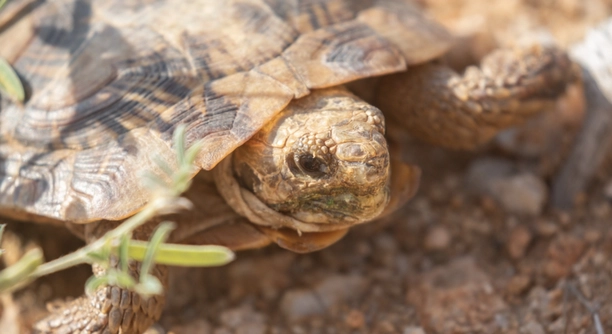
The temperature at which you incubate pancake tortoise eggs plays a crucial role in their successful development. Proper conditions help ensure healthy hatchlings, making temperature a key factor for breeders and enthusiasts to manage carefully.
The ideal temperature for pancake tortoise eggs is between 85°F and 90°F (29°C and 32°C). Maintaining consistent heat within this range promotes proper embryo development and increases the likelihood of successful hatching. Lower or higher temperatures can lead to developmental issues or egg failure.
Understanding the role temperature plays in the incubation process helps breeders avoid potential issues and ensures the best environment for their eggs.
The Importance of Temperature Control in Incubation
Maintaining the right temperature for pancake tortoise eggs is essential for ensuring their successful development. These eggs are sensitive to fluctuations, so it’s important to monitor and adjust the incubator regularly. A temperature range of 85°F to 90°F (29°C to 32°C) is optimal for the eggs. Any temperature outside this range can lead to complications, such as delayed hatching or deformities. The humidity level should also be kept at around 60% to 70% to create a balanced environment for the eggs. It’s crucial to avoid drastic changes in both temperature and humidity. Consistency is key when it comes to egg incubation.
Accurate temperature control can make all the difference in whether your tortoise eggs successfully hatch. A reliable thermometer and a well-calibrated incubator will help you maintain the ideal conditions for development.
By providing a stable temperature, you are giving the eggs the best possible chance of developing into healthy hatchlings. Small fluctuations can have significant consequences, so the effort to manage this environment is well worth it. The investment in quality equipment and attention to detail will yield the best results when it comes to the incubation process.
How to Monitor and Maintain Ideal Incubation Temperature
It’s important to have reliable equipment to monitor the temperature consistently. Use an accurate thermometer to check both air and substrate temperatures inside the incubator. Regular monitoring helps you make adjustments if necessary to stay within the optimal range of 85°F to 90°F (29°C to 32°C).
An incubator with adjustable temperature controls allows for fine-tuning and helps maintain a steady environment. Some models come with built-in temperature alarms, alerting you to any significant changes. Keep in mind that small fluctuations, if caught early, can be adjusted without negatively affecting the eggs. Check temperature readings multiple times a day to ensure no surprises.
Consider investing in a digital thermometer with a probe to place directly into the substrate. This gives a more accurate reading of the temperature around the eggs, helping you spot potential issues before they impact development. Consistent checks throughout the incubation period are crucial for the best results.
Common Temperature-Related Issues in Incubation
Even with proper equipment, temperature-related issues can still occur. If the temperature consistently rises above 90°F (32°C), the eggs may suffer from overheating. This can cause the embryos to develop too quickly or stop developing altogether. It’s important to know how to identify overheating to avoid damage.
Overheating is often caused by faulty equipment or poor airflow in the incubator. It’s essential to check both the temperature readings and the air circulation. If the incubator doesn’t provide sufficient ventilation, it can trap heat and cause temperatures to spike unexpectedly. You can avoid this issue by regularly cleaning the incubator and checking its functionality. Keeping the environment stable will ensure a higher success rate for hatching.
The Role of Humidity in Egg Incubation
Humidity plays a key role in the hatching process. Pancake tortoise eggs need the right level of moisture to prevent dehydration or drowning. Keep the humidity at 60% to 70% for the best results, adjusting as needed depending on your specific incubator setup.
Humidity levels can fluctuate based on temperature changes. If the temperature rises, humidity tends to decrease. Use a hygrometer to monitor and adjust as needed. Too much moisture can cause mold, while too little can lead to eggs drying out. Consistently check both humidity and temperature to maintain a healthy balance.
Importance of Substrate in Incubation
The substrate inside the incubator helps maintain both temperature and humidity. Use a substrate like vermiculite or perlite to ensure a stable environment around the eggs. This material holds moisture, preventing the eggs from drying out.
Choosing the right substrate can also help with temperature regulation. A thick layer of moist substrate insulates the eggs, helping to buffer any temperature fluctuations. It’s important to choose a substrate that’s safe and non-toxic to avoid any risk to the eggs. Make sure to periodically check moisture levels and adjust the substrate as needed for optimal conditions.
FAQ
What temperature is best for pancake tortoise eggs?
The ideal temperature for pancake tortoise eggs is between 85°F and 90°F (29°C and 32°C). Keeping the temperature within this range is crucial for proper embryo development. Any significant deviation above or below this range can negatively affect the growth of the embryos, potentially leading to deformities or even egg failure. It’s important to check the temperature regularly to ensure it stays within the recommended range, especially since the temperature can fluctuate throughout the incubation period.
How do I monitor the temperature during incubation?
To monitor the temperature, you’ll need an accurate thermometer, preferably one with a probe. This helps measure the temperature directly around the eggs, ensuring it stays within the desired range. Digital thermometers are often the most reliable. You should check the temperature multiple times a day and adjust the incubator settings if necessary. Some incubators come with temperature alarms that alert you when the temperature is out of range, which can be a useful feature.
Can I use a regular household thermometer?
A regular household thermometer may not provide the precision needed for incubating pancake tortoise eggs. It’s better to use one designed for reptile incubation or a digital thermometer with a probe. These specialized thermometers give more accurate readings and are better at monitoring the subtle temperature changes around the eggs. It’s crucial to have a thermometer that gives precise readings to maintain the stability of the incubation environment.
What happens if the temperature gets too high?
If the temperature exceeds 90°F (32°C), the eggs can become overheated. Overheating can lead to premature development, deformities in the hatchlings, or even egg death. Consistently high temperatures can also cause the embryos to stop developing altogether. If the incubator temperature rises too much, take immediate action to cool it down, such as adjusting the thermostat or improving airflow.
What happens if the temperature gets too low?
If the temperature drops below 85°F (29°C), the embryos may develop too slowly, leading to delayed hatching or potentially failed hatching. Low temperatures can also weaken the eggshell, making it difficult for the hatchlings to break free when the time comes. It’s important to keep the incubator within the recommended temperature range for healthy and timely development.
How do I adjust the temperature in my incubator?
Most modern incubators have adjustable settings that allow you to increase or decrease the temperature. If your incubator does not have this feature, you may need to use an external heating pad or lamp to raise the temperature or a cooling system to reduce it. It’s important to make adjustments gradually and check the temperature frequently to avoid any sudden changes. If you’re using an external heat source, make sure it doesn’t directly touch the eggs or cause hot spots.
How do I maintain consistent temperature and humidity?
To maintain consistent temperature and humidity, regularly monitor both with accurate thermometers and hygrometers. If your humidity levels are fluctuating, consider using a larger tray of water or a humidifier to stabilize it. Avoid opening the incubator too often as this can cause temperature and humidity changes. Keep the incubator in a room where the temperature doesn’t fluctuate too much, as that can also impact the conditions inside.
What should I do if my incubator has a temperature fluctuation?
If you notice a fluctuation in the temperature, first check the thermometer and make sure it is functioning properly. If the fluctuation is minor, adjust the settings on your incubator gradually. If the fluctuation is more significant, you might need to improve airflow or add insulation to the incubator. Keep a close eye on the eggs and be ready to make quick adjustments to prevent harm.
What is the best substrate for incubating pancake tortoise eggs?
The best substrate for incubating pancake tortoise eggs is a mix of vermiculite and perlite. These materials hold moisture well while maintaining air circulation. Vermiculite helps retain water, while perlite ensures proper drainage and prevents the substrate from becoming too soggy. A moist substrate is necessary to keep the eggs from drying out but should not be overly wet.
How do I know if the humidity is too high or too low?
If the humidity is too high, the eggs may begin to mold or sweat. On the other hand, if the humidity is too low, the eggs may dry out, leading to deformed or failed hatchlings. To maintain the correct humidity level, use a hygrometer and adjust the water levels or substrate moisture as needed. Regularly check both temperature and humidity to ensure they stay within the optimal range.
Can I incubate pancake tortoise eggs without an incubator?
While it’s technically possible to incubate pancake tortoise eggs without an incubator, it’s not recommended. An incubator offers a controlled environment where both temperature and humidity can be closely monitored. Without an incubator, it would be much more difficult to maintain the proper conditions for the eggs to develop successfully. If an incubator is not available, a makeshift setup using heat lamps and humidity trays could work, but it requires constant attention.
How long does it take for pancake tortoise eggs to hatch?
Pancake tortoise eggs typically take between 90 to 120 days to hatch, depending on environmental conditions. The incubation period can vary based on factors like temperature, humidity, and substrate type. Higher temperatures tend to speed up development, while lower temperatures may extend the incubation period. During this time, be sure to monitor the conditions closely to avoid any disruptions in the process.
What should I do if the eggs aren’t hatching on time?
If the eggs aren’t hatching by the expected time, it could be due to fluctuating temperatures, low humidity, or other environmental factors. First, check the conditions inside the incubator to ensure they are optimal. If everything is in range, be patient, as some eggs may take longer to hatch. However, if there are signs of mold, or the eggs feel excessively soft or firm, they may be infertile or no longer viable. In such cases, it may be best to dispose of them carefully.
Final Thoughts
Successfully incubating pancake tortoise eggs requires careful attention to both temperature and humidity. These factors are crucial for the development of healthy embryos. A temperature range of 85°F to 90°F and humidity levels between 60% and 70% will create an optimal environment for the eggs. Monitoring these conditions regularly will help ensure the eggs remain viable throughout the incubation period. Small changes in either temperature or humidity can have significant effects on the hatchlings, so consistency is key.
Maintaining the right substrate is also essential. Using a mixture of vermiculite and perlite ensures proper moisture retention and airflow. The substrate helps regulate both temperature and humidity around the eggs, providing a stable environment for them to develop. It’s important to avoid over-wetting the substrate, as excess moisture can lead to mold growth, while too little can cause the eggs to dry out. Regular checks on the moisture levels and substrate condition are necessary for successful incubation.
Lastly, patience is an important part of the process. Incubating pancake tortoise eggs takes time, with hatching typically occurring within 90 to 120 days. It’s crucial to stay attentive and make adjustments as needed, but also to give the eggs the time they need to develop fully. If issues arise, such as temperature fluctuations or delayed hatching, they should be addressed quickly to avoid any harm. With the right care and attention, the chances of successfully hatching healthy pancake tortoises increase significantly.

Hello,
If you enjoy the content that we create, please consider saying a "Thank You!" by leaving a tip.
Every little bit helps us continue crafting quality advice that supports the health, happiness, and well-being of pets around the world, for pets of all shapes, sizes, and species.
We really appreciate the kindness and support that you show us!