
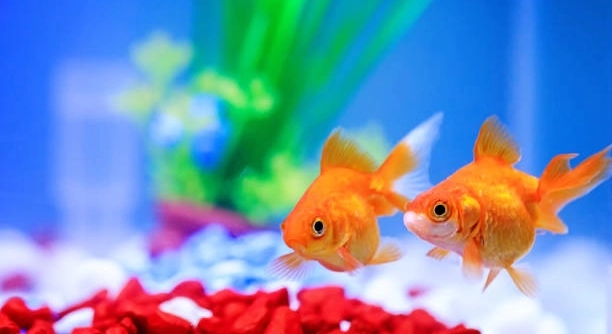
Goldfish are popular pets known for their vibrant colors and peaceful nature. However, their care requires attention to detail, especially when it comes to choosing the right tank size. Providing the proper space is crucial to their well-being.
The ideal tank size for goldfish is typically 20 gallons for one fish, with an additional 10 gallons for each additional goldfish. This allows ample room for swimming and promotes healthy growth, as goldfish can grow quite large.
Ensuring a suitable tank size will provide your goldfish with the best environment for growth and comfort. Understanding tank requirements plays a significant role in their long-term health.
Tank Size and Goldfish Growth
Goldfish are fast-growing fish that can reach impressive sizes, which is why tank size matters. When they’re young, a smaller tank may seem sufficient, but as they grow, they require more space. If their environment is too small, their growth could be stunted, leading to poor health. This is especially important when it comes to maintaining water quality, as goldfish produce a significant amount of waste. Overcrowding can quickly lead to water issues, affecting the overall well-being of your fish.
A larger tank allows for better filtration and water circulation, both of which are vital for a healthy goldfish. It’s essential to prioritize both tank space and water quality to support a thriving goldfish. You should also monitor the water temperature, as it affects the fish’s metabolism and overall health.
Goldfish are social creatures, but their tank space should never feel overcrowded. Maintaining the right balance of space helps reduce stress and provides the optimal environment for their growth. With the right setup, goldfish can live longer, healthier lives, and you can enjoy watching them flourish.
Impact of Tank Size on Behavior
Tank size directly affects your goldfish’s behavior. With enough space, they’ll exhibit more natural behaviors, swimming freely and exploring. A cramped tank can make them feel stressed, which may lead to unwanted behavior such as fin nipping or lethargy. Giving them enough room allows them to move about more comfortably.
Having ample space reduces the likelihood of territorial disputes between goldfish and promotes overall harmony. When goldfish feel secure, they become more active and confident, which can improve their overall health. This peaceful environment also reduces the chances of disease, as stress is often linked to weakened immune systems.
Tank Size and Filtration Requirements
A larger tank provides better filtration, allowing the water to stay cleaner for longer. This is important because goldfish produce a lot of waste, which can quickly cloud the water and harm their health. Filtration systems are more effective when they can handle larger volumes of water, ensuring your goldfish have the best possible environment.
To maintain clean water, ensure that your filtration system is designed for the size of your tank. Inadequate filtration can lead to water quality issues, which affect the overall well-being of your goldfish. A larger tank not only gives your fish space to grow but also allows your filter to work more efficiently, keeping the environment stable.
Goldfish are sensitive to poor water conditions. Without proper filtration, toxins such as ammonia and nitrites build up, leading to diseases and stress. Investing in the right filtration system for your tank size will help you maintain a healthier, more balanced environment for your goldfish, reducing the risk of health problems in the long term.
Space for Goldfish to Swim
Goldfish need enough space to swim freely without feeling confined. A small tank restricts their movement, which can lead to physical and mental stress. Inadequate swimming space can stunt their growth and lead to poor health. Providing ample room for your goldfish to explore supports their natural behaviors and overall development.
Goldfish are active swimmers that enjoy exploring different areas of their tank. With enough space, they will be able to engage in more natural swimming patterns, improving their muscle tone and overall well-being. Giving them room to swim will also help prevent stress-related behaviors like fin nipping and aggression, which can occur in smaller, cramped tanks.
To ensure your goldfish stay healthy and active, avoid overcrowding the tank. A larger tank gives them plenty of space to move around, reducing the risk of stress and ensuring they thrive. It’s important to monitor their behavior and adjust their environment accordingly, ensuring they have enough space to stay active and healthy.
Water Quality and Tank Size
The size of your tank directly affects the quality of water. In a smaller tank, toxins build up quickly, affecting your goldfish’s health. Larger tanks have more water volume, which helps dilute harmful substances and maintain better water quality over time, making it easier to manage.
With better water quality, your goldfish have a lower risk of developing diseases. Goldfish produce a lot of waste, and without the right tank size, maintaining clean water can be a challenge. Larger tanks offer more room for filtration, improving water stability and reducing the need for frequent water changes.
Goldfish Health and Long-Term Care
Choosing the right tank size is essential for long-term goldfish health. A larger tank promotes proper growth and reduces stress, both of which contribute to a stronger immune system. Overcrowding can lead to poor water conditions, which are detrimental to their health.
Maintaining a larger tank allows for better water circulation, reducing the buildup of harmful substances. This contributes to a more stable environment, promoting the overall well-being of your goldfish. Regular water changes, along with the right tank size, will help your fish thrive for years to come.
Room for Tank Accessories
Tank accessories like plants, decorations, and hiding spots play a crucial role in your goldfish’s environment. With more space, you can include these items without overcrowding the tank, ensuring your fish have a comfortable, enriching habitat. The right accessories will help mimic a natural environment for your goldfish.
FAQ
What size tank is best for one goldfish?
A 20-gallon tank is the minimum recommended size for one goldfish. Goldfish can grow large, and a 20-gallon tank gives them enough space to swim and thrive. As they grow, you can add an extra 10 gallons for each additional goldfish to maintain a healthy environment.
Can a goldfish live in a 10-gallon tank?
A 10-gallon tank is too small for a goldfish, even when they are young. Goldfish require ample space to grow, and a tank that size will likely stunt their growth. It’s also harder to maintain water quality in smaller tanks, which can lead to health problems over time.
Do goldfish need a big tank to grow?
Yes, goldfish need a larger tank to reach their full potential. Inadequate space can stunt their growth and cause health problems. Goldfish are active swimmers, and a bigger tank allows them to swim naturally, promoting both physical and mental well-being.
Can goldfish live in a tank without a filter?
It is possible for goldfish to survive in a tank without a filter, but it is not ideal. Without a filter, waste and toxins will accumulate more quickly, which can negatively impact water quality and your goldfish’s health. A filter helps maintain a clean environment, reducing the need for frequent water changes.
How often should I clean my goldfish tank?
Cleaning frequency depends on the tank size and the number of goldfish. For a well-maintained tank, aim for a partial water change every week or two. Cleaning the filter and removing debris as needed is also important. Larger tanks require less frequent cleaning than smaller tanks due to better water quality.
How many goldfish can I keep in a 20-gallon tank?
A 20-gallon tank is suitable for one goldfish. If you want to keep more than one, it’s recommended to add 10 gallons of water per additional goldfish. Overcrowding can lead to poor water quality and stress, so it’s crucial to give each fish enough space to thrive.
Do goldfish need a lid on their tank?
While not strictly necessary, a lid is recommended. Goldfish can jump, especially if they feel startled or stressed. A lid also helps maintain the tank’s temperature and prevents evaporation. Ensure the lid has proper ventilation to allow airflow and prevent overheating.
Can I put a goldfish in a small bowl?
It’s not recommended to keep goldfish in a small bowl. While it may seem convenient, bowls lack the necessary space and filtration for a healthy environment. A small bowl restricts their movement, making it difficult to maintain good water quality, which can lead to stress and health issues.
Do goldfish need live plants in their tank?
While live plants are not essential, they provide a natural environment for goldfish. Plants help oxygenate the water, absorb waste, and offer hiding places. However, goldfish tend to nibble on plants, so choose species that can withstand their activity. Live plants can also help stabilize water conditions.
How can I tell if my goldfish is stressed?
Signs of stress in goldfish include erratic swimming, loss of appetite, excessive hiding, and visible changes in appearance, such as pale or damaged fins. Stress can result from poor water quality, overcrowding, or inadequate tank size. It’s important to address the underlying issue to help reduce stress.
Is a 55-gallon tank too big for goldfish?
A 55-gallon tank is a great size for multiple goldfish, providing plenty of space for them to grow and swim freely. It’s not too big; in fact, the larger space allows for better filtration and water circulation, which improves the overall environment for your fish.
Can goldfish live with other fish?
Goldfish can live with other species, but it’s important to choose compatible tank mates. Avoid keeping goldfish with aggressive or fin-nipping fish. Species like minnows, snails, and certain types of catfish can coexist with goldfish. Ensure the tank is large enough for all inhabitants to thrive together.
What is the best type of filter for a goldfish tank?
A good filter for a goldfish tank should be strong enough to handle the waste produced by the fish. Canister filters and hang-on-back filters are often recommended because they provide excellent water circulation and filtration. Ensure the filter is suitable for the size of your tank.
How do I maintain a goldfish tank?
Maintaining a goldfish tank involves regular water changes, cleaning the filter, and checking water parameters like pH, ammonia, nitrites, and nitrates. Ensure the tank is properly cycled before introducing fish. Remove uneaten food and debris regularly to maintain a healthy environment for your goldfish.
What is the lifespan of a goldfish?
With proper care, goldfish can live for 10-20 years, and some even longer. Their lifespan depends on factors like tank size, water quality, and diet. Providing them with a spacious tank, clean water, and good nutrition will help them live a long, healthy life.
Why is my goldfish swimming at the surface?
Goldfish swimming at the surface may be seeking oxygen. Poor water quality or low oxygen levels could be the cause. Ensure proper aeration and water circulation in the tank. If the behavior persists, check for signs of illness, as it could also indicate stress or a health issue.
Can goldfish live with shrimp?
Goldfish and shrimp can sometimes coexist, but it’s important to be cautious. Goldfish are known to nibble on small creatures, so some shrimp species might not be safe. If you want to keep shrimp with goldfish, choose species that are large enough to avoid being eaten and provide plenty of hiding spots.
Do goldfish need light at night?
Goldfish don’t require a nightlight, and it’s best to provide them with a regular light/dark cycle. Consistent light for 10-12 hours during the day and darkness at night helps regulate their biological rhythms. Excessive light at night can stress goldfish and interfere with their rest.
How do I know if my goldfish is healthy?
Healthy goldfish should have clear, bright eyes, smooth scales, and active, strong swimming. They should be alert and have a good appetite. Check for any visible signs of illness, such as unusual swimming behavior, pale or clumped fins, or changes in skin color. A healthy environment promotes a healthy fish.
Can I use tap water for my goldfish tank?
You can use tap water, but it’s essential to treat it first. Tap water often contains chlorine or chloramine, which can harm goldfish. Use a water conditioner to remove these chemicals before adding the water to the tank. Test the water regularly to ensure it’s safe for your fish.
Why is my goldfish staying at the bottom of the tank?
If a goldfish stays at the bottom of the tank, it could be a sign of stress, illness, or water quality issues. Check the water parameters, as poor water quality can cause lethargy. It may also indicate swim bladder problems, which can affect their buoyancy.
Final Thoughts
Choosing the right tank size for your goldfish is crucial for their overall health and well-being. Goldfish are active and growing creatures, and they need space to thrive. A larger tank not only provides room to swim but also helps maintain better water quality. Poor water quality can lead to stress, disease, and a shortened lifespan. By selecting an appropriate tank size, you ensure your goldfish can grow and live in a healthy environment. The general rule of thumb is to start with a minimum of 20 gallons for one goldfish and add 10 gallons for each additional fish.
In addition to tank size, water quality plays a significant role in your goldfish’s health. Regular water changes, proper filtration, and monitoring of key water parameters like pH, ammonia, and nitrates are essential. The right tank size makes it easier to maintain a stable environment. It allows the filter to work more efficiently and reduces the risk of harmful toxins accumulating. A larger tank provides a buffer against sudden changes in water conditions, which can be harmful to goldfish. Always ensure that your tank has a good filtration system, especially as the number of goldfish increases.
Finally, keep in mind that a goldfish’s needs evolve as it grows. What works for a small fish may not be sufficient as it matures. It’s important to continually assess your tank setup and make adjustments as needed. This includes upgrading to a larger tank if necessary, ensuring that filtration systems are adequate, and keeping water conditions optimal. A little extra care and attention will go a long way in helping your goldfish live a long, healthy life.

Hello,
If you enjoy the content that we create, please consider saying a "Thank You!" by leaving a tip.
Every little bit helps us continue crafting quality advice that supports the health, happiness, and well-being of pets around the world, for pets of all shapes, sizes, and species.
We really appreciate the kindness and support that you show us!