
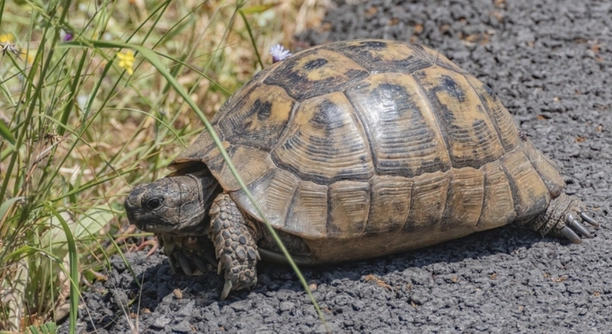
Choosing the right substrate for a Russian tortoise enclosure is essential for their well-being. The substrate affects their comfort, health, and even behavior. Finding the perfect material is key to creating an ideal living space.
The best substrate for a Russian tortoise enclosure is one that closely mimics their natural habitat. Materials like organic topsoil, coconut coir, or shredded coconut husk provide the right texture and moisture levels while being safe for the tortoise.
The right substrate not only improves your tortoise’s comfort but also reduces the risk of health issues. Let’s explore the best options available to help you create the perfect environment for your pet.
Why Substrate Matters for Russian Tortoises
A suitable substrate is one of the most important aspects of your Russian tortoise’s enclosure. The right choice helps maintain the right humidity and temperature, both of which are crucial for your tortoise’s health. It also offers a surface that’s comfortable for them to walk on and burrow into. Improper substrate can lead to skin problems, respiratory issues, or even digestive discomfort if ingested. While it might seem like a minor detail, selecting the wrong substrate can have a significant impact on their well-being. It’s important to consider not only how it looks but also how it functions. Some substrates retain moisture, while others may cause it to dry out, affecting the humidity levels. Therefore, understanding the specific needs of Russian tortoises and their natural environment can guide your choice.
Choosing a substrate that balances both comfort and practicality will ensure your tortoise stays healthy. A well-chosen substrate can prevent potential health issues and encourage natural behaviors.
The ideal substrate mimics your tortoise’s natural environment, offering both texture and moisture control. Natural materials like coconut coir or soil-based options are typically the best. These mimic the ground they would walk on in the wild and provide a safe, comfortable surface to explore. Additionally, they support burrowing, which is an important behavior for tortoises to express in captivity. Always avoid substrates like sand or gravel, as they can be harmful if ingested. It’s essential to monitor moisture levels in the enclosure to ensure it doesn’t get too dry or too wet. Overall, providing a substrate that is both functional and safe is the best way to maintain a healthy environment for your tortoise.
Best Substrate Options for Russian Tortoises
When it comes to substrates for Russian tortoises, there are a few options that stand out.
One of the most popular choices is organic topsoil. It’s easy to find and often affordable, plus it provides a natural feel for your tortoise. It has good moisture retention, which helps regulate humidity levels in the enclosure. However, make sure you choose topsoil that is free of fertilizers or pesticides, as these chemicals can harm your tortoise. Another great option is coconut coir, which is made from coconut husks. It’s lightweight and holds moisture well, offering a soft texture for your tortoise to walk on. Coconut coir is also resistant to mold, making it a safer option compared to other substrates. Shredded coconut husk is another alternative that’s very similar to coir and can be used in combination with other materials. For added comfort, some owners mix coconut coir with sand to create a more natural texture for their tortoises, but be cautious with the amount of sand used to avoid any digestive issues.
How to Maintain Proper Humidity in the Enclosure
Humidity is crucial for your Russian tortoise’s health. Too much moisture can cause respiratory issues, while too little can lead to dehydration and shedding problems.
To maintain proper humidity, consider the substrate’s moisture retention. Coconut coir holds moisture well, so it can help regulate the humidity in the enclosure. To monitor humidity, use a hygrometer to ensure it stays within the recommended range. You can adjust humidity by lightly spraying water on the substrate, but be cautious not to make it too wet. Regularly check for mold growth, which can occur if the substrate is too damp.
You can also add a humidity hide, which gives your tortoise a place to retreat when it needs higher humidity levels. This can be especially useful if the rest of the enclosure is on the drier side. Proper humidity will not only help with shedding but also support your tortoise’s overall health, keeping their skin soft and preventing respiratory problems.
Substrate to Avoid for Russian Tortoises
Some substrates can cause more harm than good when used in a Russian tortoise’s enclosure.
Avoid using sand, as it can be ingested and lead to digestive problems. While it may seem like a natural choice, sand is often too fine and can cause impaction if swallowed. Additionally, materials like cedar or pine shavings should also be avoided due to the harmful oils they contain, which can irritate your tortoise’s respiratory system. These shavings are not only dangerous but can also lead to skin issues if they come into contact with your tortoise’s skin frequently. If you’re unsure about a particular substrate, it’s always a good idea to research or consult a vet to avoid making a mistake.
How Much Substrate Is Needed for a Russian Tortoise Enclosure?
The depth of the substrate matters for your tortoise’s comfort. A depth of around 3 to 4 inches is ideal for most adult Russian tortoises.
Having enough substrate allows your tortoise to burrow, a natural behavior that is important for them. It also helps with temperature regulation and humidity control. Too little substrate may make it difficult for your tortoise to engage in natural behaviors, so aim for a comfortable, thick layer that mimics their natural environment. Keep an eye on the substrate’s condition and replace it as needed to maintain a healthy habitat.
How Often Should the Substrate Be Changed?
The frequency of substrate changes depends on the material and the condition of the enclosure.
For organic topsoil, you may need to change it every few months, especially if it starts to smell or become compacted. Coconut coir typically lasts a bit longer and only needs replacing when it becomes too dirty or loses its moisture retention properties. You should also spot clean the substrate regularly to remove waste and uneaten food, which can attract pests and bacteria. Keeping the substrate clean will ensure your tortoise stays healthy and safe in its environment.
Additional Tips for a Healthy Tortoise Enclosure
Consider adding a layer of reptile-safe grass hay on top of the substrate to provide extra bedding for your tortoise.
Hay is a natural material that provides a comfortable surface for your tortoise to rest on. It also encourages foraging behaviors, which is a healthy activity for them. Just ensure the hay is clean and free of pesticides. Additionally, always monitor humidity levels and adjust the amount of water added to the substrate to avoid mold or excessive dryness. By providing a balanced environment with proper substrate care, you’ll help your Russian tortoise thrive.
FAQ
What type of substrate is best for a baby Russian tortoise?
For a baby Russian tortoise, it’s essential to choose a soft, safe substrate that encourages natural behavior. Coconut coir or organic topsoil are ideal, as they are gentle on their small, developing bodies and allow them to burrow. These materials also help maintain the right humidity levels. Avoid substrates that could be ingested, like sand, as this can lead to digestive problems. The substrate should be at least 2-3 inches deep to allow for burrowing, but not too deep that it might cause them to become buried. A clean, safe environment is key for their growth.
Can I use play sand for a Russian tortoise enclosure?
Play sand is generally not recommended for Russian tortoises. While it may seem like a natural choice, sand can be harmful if ingested, potentially causing impaction in your tortoise’s digestive system. Even if it’s labeled “play sand” and appears to be clean, it’s still not a safe option for your pet. If you want a sandy texture, you can mix a small amount of sand with other safe substrates like coconut coir or soil. However, the majority of the substrate should still be safe and non-toxic, as sand alone doesn’t provide the right balance for your tortoise’s health.
Is it safe to use reptile carpet in a Russian tortoise enclosure?
Reptile carpet is not ideal for a Russian tortoise’s enclosure. While it is easy to clean, it doesn’t mimic the natural environment of your tortoise. Russian tortoises prefer a substrate they can burrow into, which reptile carpet doesn’t provide. It also lacks the necessary texture for your tortoise to engage in natural behaviors. Over time, this can lead to stress and discomfort for your tortoise. Instead, opt for natural, organic materials like coconut coir, soil, or shredded coconut husk, which are better suited to their needs.
How often should I spot clean the substrate in my Russian tortoise’s enclosure?
Spot cleaning should be done daily or at least every other day. This includes removing any uneaten food, feces, or wet spots. Keeping the enclosure clean prevents the build-up of waste, which can cause bacteria or mold to develop. Regular spot cleaning will help maintain a healthy environment for your tortoise. However, keep in mind that the overall substrate will need to be fully replaced every few months, depending on the type you use and its condition. Monitoring the cleanliness of the substrate will ensure a safe, comfortable space for your pet.
How can I keep my Russian tortoise’s substrate from getting too dry?
To prevent the substrate from drying out, consider adding a bit of water every few days, especially if you use materials like coconut coir, which can retain moisture well. Keep the substrate lightly moist, but not soaked. You can also mist the enclosure once a day or as needed, ensuring the humidity stays within the recommended range. If the enclosure is too dry, your tortoise may experience dehydration or difficulty shedding. However, always be cautious of making the substrate too wet, as this could encourage mold growth and cause respiratory issues.
Is it okay to mix substrates for my Russian tortoise?
Mixing substrates is perfectly fine as long as you combine materials that are safe for your tortoise. Many people use a mix of organic topsoil and coconut coir to provide a comfortable and safe environment. You can also add a little sand to achieve a natural texture, but keep it in small amounts to avoid any risk of impaction. The mix should still be easy to clean and should retain just the right amount of moisture. Mixing substrates can help you find the right balance of comfort and moisture retention that works for your tortoise’s needs.
How do I know when to replace the substrate in my Russian tortoise’s enclosure?
The substrate should be replaced when it starts to smell, becomes compacted, or shows signs of mold growth. Typically, organic topsoil or coconut coir should be changed every 2-3 months, depending on usage. If the substrate is heavily soiled or starts to dry out too quickly, it’s time for a change. It’s also a good idea to replace it if your tortoise starts showing signs of discomfort or if you notice any skin or respiratory issues. Regularly checking the condition of the substrate will help maintain a healthy, comfortable living space for your tortoise.
Can I use cedar or pine shavings for my Russian tortoise’s enclosure?
Cedar and pine shavings are not recommended for Russian tortoises. These woods contain oils that can be harmful to your tortoise’s respiratory system and overall health. The oils can cause irritation and even lead to respiratory infections over time. It’s best to stick with natural, safe materials like organic topsoil, coconut coir, or grass hay. These options are safer and more suitable for your tortoise’s well-being. Always choose materials that are non-toxic and avoid anything with added chemicals or fragrances.
Do I need to use a heating pad under the substrate for my Russian tortoise?
A heating pad can be beneficial in maintaining proper temperatures in your tortoise’s enclosure, but it should be used with caution. It’s essential that the heating pad is placed under the enclosure (not under the substrate itself) to avoid hot spots. Russian tortoises need a temperature gradient within their enclosure, with a basking spot around 90°F and a cooler area between 70-75°F. If you use a heating pad, monitor the temperature with a thermometer to ensure it’s not getting too hot. Overheating can be harmful, so it’s crucial to strike the right balance.
How can I ensure the substrate is safe for my Russian tortoise?
To ensure the substrate is safe, always use materials that are natural and free from chemicals. Organic topsoil, coconut coir, and shredded coconut husk are all good choices. Avoid any substrates that are too fine or dusty, as these can cause respiratory problems. Always check for harmful additives like pesticides, fertilizers, or dyes. When in doubt, research the substrate before using it, or ask a veterinarian. Keeping your tortoise’s environment as natural as possible is the best way to promote its health and well-being.
Final Thoughts
Choosing the right substrate for your Russian tortoise is more than just about aesthetics—it’s about creating a safe and healthy environment for your pet. The right substrate helps to maintain proper humidity and temperature, both of which are crucial for your tortoise’s overall well-being. It also gives them the chance to express natural behaviors like burrowing, which is important for their mental and physical health. While there are many options out there, focusing on natural materials like organic topsoil, coconut coir, or shredded coconut husk is usually the best route. These substrates provide the comfort and support your tortoise needs to thrive.
Keeping the enclosure clean is another key aspect of maintaining your tortoise’s health. Regular spot cleaning, along with periodic full substrate changes, will help reduce the buildup of waste, mold, and bacteria. This not only ensures a fresh living space for your tortoise but also helps avoid potential health issues. You should also monitor the humidity and moisture levels of the substrate, adjusting as necessary to keep it at an optimal level. A hygrometer can be a helpful tool to track the enclosure’s environment and ensure that it stays comfortable for your tortoise.
In the end, the best substrate is one that suits your tortoise’s natural needs while being safe and easy to maintain. While you can mix different substrates for the best balance of moisture retention, texture, and comfort, always avoid materials that could harm your pet, like sand, cedar, or pine shavings. By carefully selecting and maintaining the substrate in your tortoise’s enclosure, you’re ensuring they have a healthy, comfortable, and long-lasting habitat to enjoy.

Hello,
If you enjoy the content that we create, please consider saying a "Thank You!" by leaving a tip.
Every little bit helps us continue crafting quality advice that supports the health, happiness, and well-being of pets around the world, for pets of all shapes, sizes, and species.
We really appreciate the kindness and support that you show us!