
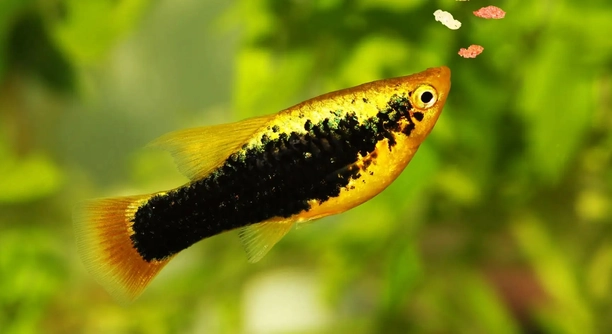
Platies are popular freshwater fish known for their vibrant colors and peaceful nature. Proper care is essential to keep them healthy and happy in home aquariums. Lighting plays a crucial role in their environment and overall well-being.
The best light cycle for platies is typically 10 to 12 hours of light followed by 12 to 14 hours of darkness each day. This schedule mimics natural daylight patterns, supports their biological rhythms, and helps maintain their health and activity levels.
Maintaining a consistent light cycle benefits your platies by supporting natural behaviors and promoting a stable aquarium environment. This article will explain how to create the best lighting conditions for them.
Importance of a Proper Light Cycle for Platies
A proper light cycle is essential for platies because it helps regulate their natural behaviors and biological functions. Fish rely on consistent light and dark periods to maintain their internal clocks, which affect feeding, breeding, and resting. Without the right light cycle, platies may become stressed, which can lead to weakened immune systems and increased susceptibility to illness. Additionally, a stable light schedule encourages healthy plant growth in the aquarium, which benefits the fish by improving water quality and providing hiding spots. Too much light can promote algae growth, while too little can disrupt the fish’s activity levels. A balanced light cycle mimics their natural habitat, creating a comfortable and stable environment. Regularity is key, so using a timer to maintain consistent lighting helps avoid sudden changes that can disturb the fish.
Consistency in lighting reduces stress and supports overall health in platies.
Setting a proper light schedule is not just about comfort; it directly impacts your platies’ behavior and longevity. When platies experience a stable cycle, their feeding habits become more predictable, and they display natural colors more vividly. The light also plays a role in their reproductive cycles, helping trigger breeding behaviors. Aquarium plants, which many aquarists include to enhance the tank, require appropriate lighting for photosynthesis. Healthy plants improve oxygen levels and provide shelter, contributing to the fish’s well-being. Inconsistent lighting can lead to erratic behavior and affect tank balance, making maintenance more challenging. By providing the right amount of light and darkness, you create an environment where platies can thrive naturally.
Best Lighting Types for Platies
Natural daylight-spectrum lights are ideal for platies.
Using full-spectrum LED lights designed for aquariums is the best choice for platies. These lights replicate natural sunlight, supporting both fish and plant health. LEDs are energy-efficient, generate less heat, and offer adjustable brightness settings. Avoid lights that emit excessive heat or unnatural colors, as they can stress the fish. Fluorescent lighting is another option but tends to be less efficient and can produce more heat. The goal is to maintain a light that enhances the aquarium’s appearance while promoting a healthy environment. Proper lighting also helps showcase the vibrant colors of platies, making the tank more attractive.
Choosing the right light type supports your tank’s ecosystem.
Selecting the proper lighting involves considering the tank’s size, depth, and plant presence. For deeper tanks, stronger lighting may be necessary to reach the bottom. If you keep live plants, matching the light spectrum to plant needs is essential. LED lights with timers make managing light cycles simple, allowing automatic on/off settings that maintain regular schedules. Avoid direct sunlight, as it can cause temperature fluctuations and algae overgrowth. Instead, use artificial lighting that stays consistent and controllable. This helps keep your platies calm and healthy. The right light also prevents algae from taking over, which can be a common issue in home aquariums.
Adjusting light intensity and duration helps create a balanced tank environment.
Adjusting Light Cycles for Different Tank Conditions
Adjusting the light cycle depends on your tank’s setup and inhabitants. Variations in plant density, tank size, and platy behavior may require tweaks to the lighting schedule.
In heavily planted tanks, longer light periods of up to 12 hours may be beneficial to support plant growth. However, this can encourage algae growth, so careful balance is needed. In tanks with few or no plants, a shorter light cycle of about 10 hours usually suffices for platies. It’s important to monitor the fish’s behavior; signs of stress or inactivity might mean the light duration needs adjustment. Using a timer can simplify these changes and maintain consistency.
If your tank has other species alongside platies, consider their light needs as well. Different fish may prefer varying light intensities or durations. Striking a balance ensures all tank inhabitants remain comfortable. Avoid sudden changes in lighting, which can cause stress. Gradual adjustments over days help fish acclimate. Overall, adapt your light cycle to suit your unique aquarium setup for the best results.
Signs Your Platies Need Light Cycle Changes
Changes in platy behavior often indicate a need to adjust lighting.
If platies become lethargic or hide excessively during daylight hours, it may signal insufficient lighting or too long a dark period. Dull coloration can also result from poor lighting conditions. Overactive algae growth is another sign that light intensity or duration may be too high. Watch for irregular feeding times or changes in appetite, as these can relate to disrupted biological rhythms caused by lighting issues.
Addressing these signs quickly can prevent stress-related health problems. Gradually modify the light cycle by shifting the on/off times by 15 to 30 minutes over several days. Observe any changes in behavior and adjust accordingly. Ensuring a consistent and suitable light schedule maintains your platies’ vitality and supports natural activity levels. Regularly checking lighting effects keeps your aquarium balanced and your fish healthy.
Impact of Lighting on Platy Health
Proper lighting supports the immune system and overall health of platies. Consistent light cycles reduce stress, which is crucial for preventing disease and promoting longevity in your fish.
Poor lighting or irregular cycles can weaken platies, making them more vulnerable to infections and illnesses.
Effects of Lighting on Platy Coloration
Lighting plays a key role in bringing out the vibrant colors of platies. Full-spectrum lights enhance their natural hues, making them more visually striking in the aquarium.
Without adequate lighting, platies’ colors may appear dull and faded, affecting the tank’s overall aesthetic.
Tips for Maintaining a Consistent Light Schedule
Using a timer is the easiest way to keep lighting regular. It ensures the light turns on and off at the same time daily, preventing fluctuations that stress fish.
Consistent schedules promote healthy behavior and a stable tank environment.
Avoiding Overexposure to Light
Too much light can cause algae problems and stress platies. Keep lighting within recommended hours to maintain balance.
FAQ
How many hours of light do platies need daily?
Platies generally do well with 10 to 12 hours of light each day. This range mimics natural daylight and supports their biological rhythms. Too little light can cause inactivity and dull coloration, while too much can stress the fish and encourage algae growth. Using a timer helps keep the cycle consistent.
What type of lighting is best for platies?
Full-spectrum LED lights designed for aquariums are ideal. They replicate natural sunlight, which benefits both fish and plants. LEDs are energy-efficient, produce little heat, and offer adjustable brightness. Avoid overly bright or colored lights that can disturb the fish.
Can platies live in low light conditions?
Platies can survive in lower light, but it’s not ideal. Insufficient light may lead to reduced activity and faded colors. Also, if live plants are part of the tank, low light can hinder their growth, affecting water quality and shelter for the fish.
What happens if platies get too much light?
Excessive light can cause stress and lead to aggressive behavior or hiding. It also promotes algae growth, which can upset the tank’s balance. Maintaining a controlled light cycle helps prevent these issues and keeps the aquarium healthy.
Is it necessary to have a dark period for platies?
Yes, platies need about 12 to 14 hours of darkness for rest and recovery. The dark period helps regulate their biological clock, supporting natural behaviors like feeding and breeding. Constant light without rest can cause stress and health problems.
Should lighting change during breeding?
Breeding platies do benefit from stable lighting but don’t usually need drastic changes. Maintaining the regular 10 to 12-hour light cycle encourages natural breeding behaviors. Avoid sudden lighting shifts during this time to prevent stress.
How do I know if my platies’ lighting is wrong?
Signs include lethargy, hiding, faded colors, or irregular feeding habits. Algae overgrowth in the tank may also indicate too much light. Monitoring these signs helps you adjust the lighting to better suit your platies’ needs.
Can natural sunlight be used instead of aquarium lights?
Direct natural sunlight is not recommended because it can cause temperature fluctuations and encourage algae growth. Artificial lighting with a timer offers more control and consistency, which benefits platies and the overall aquarium environment.
How can I gradually adjust the light cycle?
Make changes in small increments, about 15 to 30 minutes per day. This allows platies to adapt without stress. Using a programmable timer simplifies this process and ensures steady transitions.
Do platies need different light cycles in different seasons?
In home aquariums, it’s best to keep a consistent light cycle year-round. Sudden seasonal changes in lighting are not necessary and can stress the fish. Consistency supports stable behavior and health.
What role does lighting play in algae control?
Proper lighting limits algae growth by avoiding excess brightness and long light periods. Balanced light cycles reduce nutrients for algae, keeping the tank cleaner and healthier for platies.
Can lighting affect tank plants and, in turn, platies?
Yes, lighting supports plant growth, which benefits platies by providing oxygen and hiding places. Poor lighting stunts plant growth, which can reduce water quality and stress fish.
Is there a recommended brand or type of LED for platy tanks?
Many aquarium-specific LED brands offer suitable lighting. Look for full-spectrum options with adjustable intensity. It’s helpful to choose models with built-in timers or compatibility with external timers for convenience.
What is the impact of lighting on platy lifespan?
Consistent, appropriate lighting supports immune function and reduces stress, which can extend platy lifespan. Poor lighting can weaken fish and shorten their life expectancy.
How important is the consistency of the light cycle?
Very important. Sudden changes or irregular cycles cause stress and disrupt natural behaviors. Using a timer helps maintain the same daily schedule, promoting well-being and a balanced aquarium.
Proper lighting is one of the key factors in maintaining a healthy and happy environment for platies. It helps regulate their natural behaviors, supports their immune system, and encourages vibrant coloration. A consistent light cycle that mimics natural day and night patterns allows platies to feel secure and active. This balance between light and darkness is important because it supports their feeding, resting, and breeding habits. Without the right lighting, platies may become stressed or inactive, which can affect their overall health. It is equally important to avoid overexposing them to light, as too much can lead to algae growth and cause stress to the fish.
Choosing the right type of lighting and using a timer can simplify caring for your platies. LED aquarium lights are a great option because they replicate natural sunlight while using less energy and producing minimal heat. This type of light also benefits live plants in the tank, which in turn improves water quality and provides shelter for the fish. Maintaining a consistent light schedule helps prevent sudden changes that might disturb platies. Adjusting the lighting based on tank conditions, such as plant density or tank size, ensures the environment stays balanced. A stable environment supports the long-term health and well-being of your fish.
In the end, paying attention to your platies’ lighting needs contributes significantly to their quality of life. Regular observation can help you notice any signs of stress or illness caused by improper lighting. Adjustments should be made gradually to help the fish adapt without worry. Keeping the light cycle steady and appropriate creates a calm and healthy atmosphere in the aquarium. This makes it easier to enjoy the bright colors and lively behavior that make platies such popular pets. Proper lighting is a simple yet effective way to support your aquarium’s ecosystem and ensure your platies thrive.

Hello,
If you enjoy the content that we create, please consider saying a "Thank You!" by leaving a tip.
Every little bit helps us continue crafting quality advice that supports the health, happiness, and well-being of pets around the world, for pets of all shapes, sizes, and species.
We really appreciate the kindness and support that you show us!