
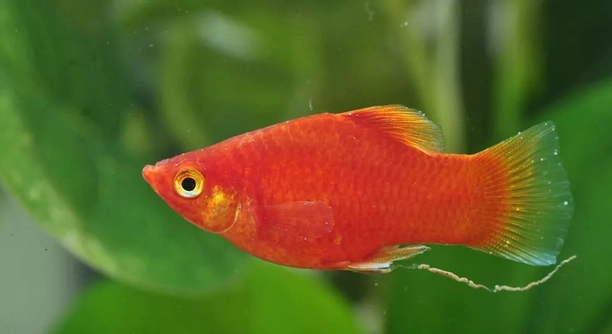
Pregnant platies need a balanced diet to support their health and the development of their babies. Feeding them the right foods helps ensure both mother and fry stay strong during this important time. Proper nutrition makes a big difference.
The best diet for pregnant platies includes a mix of high-quality flakes, live or frozen foods like brine shrimp and daphnia, and occasional vegetable matter. This combination provides essential proteins, fats, and vitamins needed for healthy pregnancy and fry growth.
Knowing how to feed pregnant platies correctly can improve their well-being and increase the chances of healthy offspring. Understanding their dietary needs is important for every fish keeper.
Essential Nutrients for Pregnant Platies
Pregnant platies require a diet rich in proteins, fats, vitamins, and minerals to support their health and the growth of their developing fry. Protein is especially important as it helps build tissue and supports strong development. Live foods like brine shrimp and daphnia are excellent protein sources, providing both nutrition and stimulation for the fish. Additionally, incorporating vegetable matter like blanched spinach or zucchini adds fiber and essential vitamins, aiding digestion and overall health. It’s important to offer a variety of foods to cover all nutritional needs, ensuring the pregnant platy doesn’t miss any key nutrients. Feeding smaller amounts multiple times a day can prevent overfeeding and water pollution, which helps maintain a clean tank environment for the fish and her babies. Consistency and quality in feeding routines can lead to healthier pregnancies and more resilient fry.
Variety in the diet is key to meeting the changing needs of pregnant platies.
Feeding pregnant platies a balanced diet with diverse foods ensures they receive a full spectrum of nutrients. High-protein foods support growth, while vegetables contribute vitamins and fiber. This mix encourages healthy development and can reduce stress during pregnancy. Avoid overfeeding to keep the water clean and reduce health risks.
Feeding Frequency and Portion Control
Pregnant platies should be fed smaller portions more frequently throughout the day rather than one large meal.
Overfeeding can lead to poor water quality, which stresses the fish and affects their health. Splitting food into two or three small meals daily ensures the fish get enough nutrients without excess waste. It also helps maintain stable water conditions, which is critical during pregnancy. Paying attention to how much the fish eats in about two minutes can prevent leftover food that pollutes the tank. Consistent feeding times create a routine that reduces stress and supports digestion. A healthy feeding schedule combined with a balanced diet will improve the chances of a smooth pregnancy and healthy fry.
Proper portion control and feeding frequency are essential to avoid tank pollution and keep pregnant platies healthy. Regular meals in small amounts maintain water quality and meet nutritional needs without waste. This approach supports both the mother’s health and the well-being of her developing fry.
Safe Foods to Avoid Stress
Feeding pregnant platies foods that are easy to digest helps prevent stress and digestive issues. Avoid heavy or greasy foods, as these can cause bloating or discomfort.
Live and frozen foods like brine shrimp and daphnia are gentle on their stomachs and provide excellent nutrition. Avoid overfeeding high-fat treats such as bloodworms too often, since excess fats can upset digestion. Fresh vegetable pieces like blanched zucchini also support digestion and keep the fish comfortable. Maintaining a clean tank and good water quality alongside the right foods reduces stress and supports a healthy pregnancy.
Certain foods can trigger stress or health problems during pregnancy. Avoid feeding processed pellets that contain fillers and avoid large amounts of frozen or live foods without variety. Also, steer clear of any food that causes uneaten leftovers in the tank, as decaying food harms water quality. Properly prepared fresh vegetables help maintain digestive balance and keep pregnant platies calm and healthy throughout their gestation.
Importance of Water Quality with Diet
Maintaining clean water is critical when feeding pregnant platies to avoid health risks. Dirty water can cause infections and stress, interfering with pregnancy.
Regular water changes and careful feeding habits help reduce waste buildup. Feeding smaller portions prevents leftover food from polluting the tank. Good filtration supports a stable environment, which is vital during pregnancy. Water parameters like temperature, pH, and hardness should be kept within suitable ranges to promote health. A well-maintained tank combined with proper diet supports the overall wellbeing of both mother and fry, reducing complications during pregnancy. Paying attention to water quality ensures the diet benefits the fish fully without negative side effects.
Monitoring Pregnant Platies’ Eating Habits
Observing how much and what pregnant platies eat helps spot health issues early. Changes in appetite can signal stress or illness.
If a platy stops eating or refuses certain foods, it may need extra care or a water check. Prompt attention can prevent bigger problems.
Using Supplements Carefully
Supplements like vitamins can support pregnant platies but should be used sparingly. Overuse may cause imbalances or water contamination.
Adding supplements to a well-rounded diet can help if nutrient gaps exist. Follow recommended dosages and watch for any negative reactions.
Avoiding Overfeeding
Overfeeding pregnant platies can cause poor water quality and health problems. Feed only what they consume quickly.
Excess food decays, raising ammonia levels and stressing fish. Proper portion control keeps the tank safe and fish healthy.
FAQ
What should I feed pregnant platies daily?
Pregnant platies need a balanced diet every day. Offer high-quality flakes or pellets as a staple. Supplement with live or frozen foods like brine shrimp or daphnia a few times a week for extra protein. Include small amounts of blanched vegetables such as zucchini or spinach to provide vitamins and fiber. Feed small portions two to three times daily to prevent overfeeding and keep the water clean.
Can I feed pregnant platies only flakes or pellets?
While flakes or pellets can provide basic nutrition, feeding only these won’t fully support pregnancy. Live or frozen foods add essential proteins and nutrients that flakes lack. Vegetables also help maintain digestion and health. A varied diet is best for supporting both the mother and her developing fry.
How much food is enough without overfeeding?
Feed only what your platies can eat in about two minutes. Overfeeding leads to leftover food that pollutes the tank, causing poor water quality and stress. Divide their daily amount into two or three small meals. Watching their eating habits helps adjust portions properly.
Are there any foods to avoid during pregnancy?
Avoid greasy or overly fatty foods like excessive bloodworms, as they can cause digestive upset. Also, steer clear of foods that tend to foul the water quickly, such as uneaten pellets or flakes. Avoid feeding wild-caught foods that might carry parasites or pollutants.
How important is water quality during pregnancy?
Water quality is very important for pregnant platies. Dirty water stresses the fish and can cause infections, harming both mother and fry. Regular water changes, proper filtration, and controlled feeding help maintain clean water. Monitor temperature, pH, and hardness to keep conditions stable.
Can supplements improve pregnancy health?
Supplements can help if the diet lacks certain nutrients, but they should be used cautiously. Overuse may cause water quality issues or imbalances. Use only recommended doses and ensure supplements complement a varied, nutritious diet rather than replace it.
When should I separate the pregnant platy?
Separating pregnant platies is not always necessary but can prevent fry from being eaten. A separate breeding tank or a tank divider helps protect the babies after birth. Make sure the mother has a stress-free environment with plenty of hiding spots.
How do I know if my platy is pregnant?
Signs include a rounded belly, a dark gravid spot near the rear fins, and changes in behavior like less activity or hiding. Pregnancy lasts about 24 to 30 days. Watching for these signs helps prepare for feeding and tank management.
What should I do after the platy gives birth?
Remove the mother or move the fry to a separate tank to avoid predation. Feed the fry finely crushed flakes, baby brine shrimp, or specially formulated fry food. Keep the water clean and perform frequent small water changes to support healthy growth.
Is it okay to feed frozen foods only?
Frozen foods like brine shrimp and daphnia are good protein sources but feeding only frozen food may miss important vitamins and fiber. Combining frozen foods with flakes, pellets, and vegetables creates a balanced diet ideal for pregnancy and fry development.
How often should I clean the tank during pregnancy?
During pregnancy, clean the tank regularly to keep water safe. Partial water changes of 20-30% once a week are ideal. Avoid full water changes that may shock the fish. Clean filter media gently and monitor water parameters often to maintain a healthy environment.
Can poor diet affect fry health?
Yes, an inadequate diet can lead to weak fry with poor survival chances. Lack of protein and vitamins during pregnancy may cause deformities or slow growth. Feeding a balanced, nutrient-rich diet improves fry vitality and long-term health.
What if my pregnant platy refuses to eat?
Refusal to eat can indicate stress, poor water conditions, or illness. Check water quality first and remove any potential stressors. Offering live foods or fresh vegetables can encourage appetite. If the problem persists, isolate the fish and consult a vet or fish expert.
Is it necessary to feed pregnant platies more than usual?
Pregnant platies do need slightly more food, but quantity should be controlled. Increase feeding frequency rather than portion size to avoid water pollution. Quality and variety in food are more important than feeding large amounts.
How can I ensure fry get proper nutrition?
Provide a diet suited for fry, including finely crushed flakes, baby brine shrimp, or specialized fry food. Small frequent feedings are better than large meals. Keep water clean and avoid overcrowding to reduce stress and support healthy growth.
Pregnant platies need careful attention to their diet to stay healthy and support their developing babies. Feeding a balanced mix of high-quality flakes or pellets along with live or frozen foods helps provide the essential proteins and vitamins they require. Adding some fresh vegetables like blanched zucchini or spinach can improve digestion and overall health. Feeding small amounts multiple times a day prevents overfeeding, which keeps the water clean and reduces stress on the fish. When the diet is right, pregnant platies are more likely to have a smooth pregnancy and healthy fry.
Water quality plays a big role in the health of pregnant platies as well. Clean water reduces stress and lowers the risk of infections. Regular partial water changes and good filtration keep the tank environment stable. It’s important to avoid leftover food in the tank because it breaks down and pollutes the water. Feeding the right amount, combined with proper tank maintenance, helps keep water parameters steady. Stable water conditions support both the mother platy and her fry throughout pregnancy and after birth.
Watching your pregnant platy closely is important. Changes in appetite or behavior can signal that something is wrong, so catching problems early makes a big difference. Separating the mother from other fish when she’s about to give birth can protect the fry from being eaten. After the babies arrive, feeding them suitable fry food and keeping their tank clean will help them grow strong. Overall, paying attention to diet, water quality, and the fish’s needs ensures the best chance for a healthy platy family.

Hello,
If you enjoy the content that we create, please consider saying a "Thank You!" by leaving a tip.
Every little bit helps us continue crafting quality advice that supports the health, happiness, and well-being of pets around the world, for pets of all shapes, sizes, and species.
We really appreciate the kindness and support that you show us!