
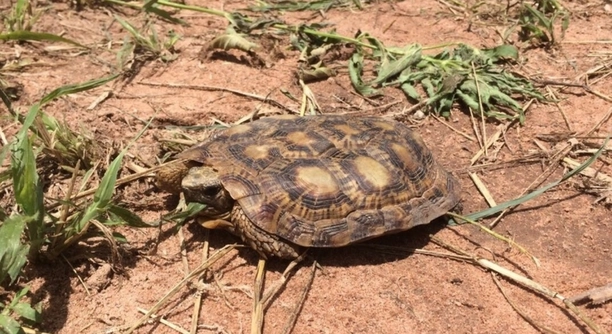
When it comes to keeping pancake tortoises, the bedding you choose is crucial to their health and comfort. These small reptiles need the right environment to thrive in captivity.
The ideal bedding for pancake tortoises should be absorbent, dust-free, and easy to clean. A combination of coconut fiber, sand, and organic soil can offer a suitable habitat, promoting both comfort and natural behaviors.
Understanding these bedding options will help you create the best environment for your pancake tortoise, ensuring they stay healthy and happy in their enclosure.
Choosing the Right Bedding for Your Pancake Tortoise
When selecting bedding for your pancake tortoise, consider their natural habitat. These tortoises are native to dry, rocky environments in East Africa. Therefore, their bedding needs to replicate these conditions while providing a safe space for them to move and burrow. The right bedding will not only make your tortoise feel secure, but it will also keep them healthy by allowing proper humidity and temperature control. A mixture of coconut fiber and sand tends to work well as it retains moisture but is not overly damp, which can cause mold or bacterial growth. It’s important to also avoid bedding like cedar or pine, as their strong scents can irritate the tortoise’s respiratory system.
When setting up the enclosure, make sure the bedding is deep enough to allow for burrowing. Pancake tortoises enjoy hiding and exploring in their substrate, and having enough material will help them feel more at ease. Layering the bedding with rocks or pebbles will create a more natural environment.
Bedding that is both absorbent and easy to clean is key. Regular spot cleaning and changing out the bedding will keep your tortoise’s habitat fresh. This ensures that harmful bacteria don’t build up, which could lead to health issues over time.
Why Coconut Fiber Is Ideal
Coconut fiber has many benefits that make it a popular choice for tortoises. It’s a natural material that’s safe for them, and it mimics the substrate of their natural environment.
Coconut fiber also provides excellent moisture retention, which is beneficial in maintaining the proper humidity levels for your tortoise. It dries out quickly, so there’s little risk of over-wetting the environment. Additionally, it’s dust-free and gentle on your tortoise’s sensitive respiratory system. The fiber can be easily spot-cleaned, helping to maintain a clean environment with minimal effort.
Since pancake tortoises thrive in dry, hot conditions, the right bedding can make a significant difference in their overall well-being. By using coconut fiber, you’re offering a bedding option that caters to their needs while remaining simple to maintain.
Sand as a Bedding Option
Sand can be a great addition to your pancake tortoise’s bedding. It’s easy to find and offers a natural feel for these reptiles. However, it’s important to use the right type of sand. Avoid using fine, powdery sand, as it can cause respiratory issues or be ingested, leading to digestive problems.
A coarse or medium-grain sand works best. It allows the tortoise to dig and burrow, much like they would in the wild. Sand also provides excellent drainage, preventing moisture from building up and potentially causing mold or bacteria growth. However, it should be combined with other materials, such as coconut fiber, to balance moisture retention and dryness.
When using sand, make sure the layer is thick enough for your tortoise to move around comfortably. It’s also important to clean it regularly, as sand can trap waste and debris. Spot cleaning is essential to maintain a healthy habitat.
Organic Soil for Pancake Tortoises
Organic soil is another option for pancake tortoise bedding. It’s a natural material that’s rich in nutrients and provides a more earthy texture. However, it’s important to ensure that the soil is free from pesticides or chemicals that could harm your tortoise.
Organic soil is excellent for maintaining humidity in your tortoise’s habitat. It holds moisture well without becoming too wet, making it a good choice for areas that need slightly higher humidity. You can mix the soil with sand or coconut fiber to create a more balanced bedding environment. It also provides a more comfortable surface for burrowing, which is an essential behavior for pancake tortoises.
One downside to organic soil is that it may require more maintenance than other bedding types. It’s important to monitor humidity levels closely, as soil can become too wet if not dried properly. Regular spot cleaning and changing the bedding can prevent mold buildup.
The Importance of Proper Humidity Levels
Maintaining proper humidity is crucial for the health of your pancake tortoise. Too much moisture can lead to respiratory issues, while too little can cause dehydration. It’s important to monitor the humidity levels regularly and adjust the bedding as needed.
Coconut fiber, sand, and organic soil all help regulate humidity. Coconut fiber retains moisture but also dries out quickly, which helps maintain a balanced environment. Adding a shallow water dish can also help maintain humidity levels in the enclosure.
Proper humidity ensures your tortoise remains healthy, hydrated, and comfortable in its habitat. Regularly check the bedding to ensure it’s not too wet or dry.
Why Proper Substrate Depth Matters
The depth of the bedding is important for pancake tortoises as it allows them to burrow and explore. These tortoises enjoy digging and will often hide in their bedding for security. Too shallow of a bedding layer prevents them from displaying these natural behaviors.
A deep bedding layer of at least 3-4 inches will allow your tortoise to feel more comfortable. Layering different types of bedding, such as coconut fiber and sand, helps provide the right texture for burrowing. Having this depth also helps maintain the proper temperature and humidity levels within the enclosure, keeping the tortoise safe and comfortable.
Keeping the Enclosure Clean
Regular cleaning of the tortoise’s bedding is essential to avoid bacterial growth and ensure a healthy environment. Spot clean the bedding every few days, removing waste and uneaten food. Once a week, replace a portion of the bedding to keep things fresh.
Cleaning prevents odors and maintains proper humidity. The bedding should be dry and free of mold or bacteria. Keep the water dish clean and ensure that the substrate stays free of waste to maintain a healthy living space for your tortoise.
FAQ
What type of bedding is best for pancake tortoises?
The best bedding for pancake tortoises is a mix of coconut fiber and sand. Coconut fiber provides excellent moisture retention while being gentle on the tortoise’s respiratory system. Sand, when coarsely ground, offers a natural substrate that allows them to dig and burrow, which is a natural behavior for these reptiles. Combining these two materials helps maintain proper humidity and drainage. Organic soil is also a good option when mixed with coconut fiber to maintain an appropriate balance of moisture.
Can I use regular soil for my pancake tortoise?
Regular soil is not recommended unless it’s organic and free from chemicals. Some soils can contain pesticides, fertilizers, or other harmful substances that may pose a risk to your tortoise. If using soil, it’s important to choose organic soil that’s clean and free from any additives. Mixing it with sand or coconut fiber can also help to prevent it from becoming too wet or compacted, which could lead to mold growth or poor ventilation.
How deep should the bedding be?
Bedding should be at least 3 to 4 inches deep to allow the tortoise to burrow properly. Pancake tortoises are natural diggers, and providing enough substrate allows them to engage in this behavior, which helps reduce stress and promotes their well-being. A deeper bedding layer also helps maintain more stable humidity levels and prevents the enclosure from becoming too damp or too dry.
How often should I clean the bedding?
You should spot clean the bedding every few days to remove waste, uneaten food, and other debris. This helps prevent bacteria and mold growth, ensuring your tortoise’s environment remains healthy. Once a week, it’s good to replace a portion of the bedding to keep it fresh and to reduce the buildup of waste. If the bedding becomes overly damp or smelly, it’s time to replace it entirely to avoid any health issues for your tortoise.
Can I use pine or cedar shavings for bedding?
Pine and cedar shavings should be avoided for pancake tortoises. Both types of wood can release harmful oils that irritate the tortoise’s respiratory system. The strong smells from these shavings can cause stress and even health problems for your tortoise. Stick to coconut fiber, sand, or organic soil to ensure your tortoise’s environment remains safe and comfortable.
How can I maintain proper humidity in the enclosure?
To maintain proper humidity, monitor the humidity levels in your tortoise’s habitat using a hygrometer. The ideal range is between 40% and 60%. You can increase humidity by adding a shallow water dish or spraying the bedding lightly with water to keep it slightly moist. However, avoid making the substrate too wet, as it can lead to mold and bacterial growth. Adding moisture-retentive materials like coconut fiber will also help regulate humidity levels.
What should I do if my bedding smells?
If your bedding smells, it could indicate that it’s too damp, or waste is building up. Spot clean the bedding immediately and replace any heavily soiled sections. If the smell persists, it may be necessary to replace all the bedding. Make sure the water dish is clean, as stagnant water can also contribute to unpleasant odors. Regular cleaning and ensuring that the bedding remains dry will prevent odors from forming in the future.
Can I use sand alone as bedding?
Sand alone is not the best bedding for pancake tortoises. While it allows for natural digging behavior, it doesn’t retain moisture well and can become dusty, which may irritate the tortoise’s respiratory system. To create a better environment, mix sand with coconut fiber or organic soil. This helps to maintain humidity while still providing the texture that tortoises need for burrowing.
How do I prevent mold in the bedding?
Mold often grows in overly wet conditions, so it’s important to keep the bedding slightly dry. Ensure that the enclosure is well-ventilated, and avoid over-wetting the substrate. If you notice mold growth, remove and replace the affected bedding immediately. It’s essential to clean the enclosure regularly, particularly the water dish, to prevent stagnant water from promoting mold growth. Spot cleaning daily and replacing bedding as needed will keep the environment healthy for your tortoise.
Can I mix different bedding materials?
Yes, mixing different bedding materials is often a good idea. Combining coconut fiber, sand, and organic soil can provide a balanced environment. Coconut fiber retains moisture, while sand offers the necessary texture for digging. Organic soil adds nutrients and further enhances the natural environment. Just make sure the mixture doesn’t become too damp and that it is cleaned regularly to avoid bacterial growth.
Final Thoughts
Choosing the right bedding for your pancake tortoise is crucial for their overall well-being. The right bedding supports their natural behaviors, such as burrowing and digging, and helps maintain the proper humidity and temperature in their habitat. It’s important to provide a safe and comfortable environment, as this directly impacts your tortoise’s health and happiness. By choosing materials like coconut fiber, sand, or organic soil, you can create an ideal space that mimics the tortoise’s natural habitat.
Regular maintenance is key to ensuring your tortoise remains healthy. This includes spot cleaning the bedding regularly and replacing it when needed. Ensuring the bedding doesn’t become too wet or too dry is vital for maintaining the right humidity levels. A balance of moisture, proper depth, and cleanliness will help keep your tortoise’s enclosure in the best condition. A healthy environment will not only keep your tortoise comfortable but will also reduce the chances of any health issues arising.
Ultimately, taking care of your pancake tortoise involves paying attention to the small details, such as bedding. With the right combination of materials and proper care, your tortoise can thrive in an environment that meets their needs. Be sure to monitor the humidity, cleanliness, and overall conditions of their habitat regularly. This ensures that your pancake tortoise enjoys a long, healthy life in the comfort of a well-maintained enclosure.

Hello,
If you enjoy the content that we create, please consider saying a "Thank You!" by leaving a tip.
Every little bit helps us continue crafting quality advice that supports the health, happiness, and well-being of pets around the world, for pets of all shapes, sizes, and species.
We really appreciate the kindness and support that you show us!