
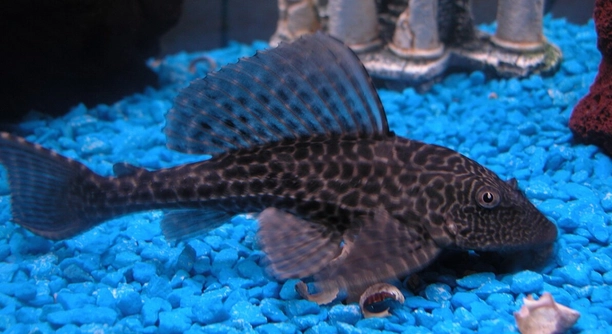
Plecos are popular fish in home aquariums, known for their unique appearance and algae-eating habits. However, noticing unusual white spots on their bodies can raise concerns. It’s essential to understand what these spots may indicate.
The white spots on a pleco are commonly caused by a parasitic infection, such as Ich, which leads to white cysts on their skin. These spots are often a sign of stress or poor water quality, requiring prompt treatment.
Knowing the cause behind these spots can help you take the necessary steps to treat the infection and improve your pleco’s well-being.
Causes of White Spots on Plecos
White spots on your pleco can appear for various reasons. The most common cause is the parasite known as Ichthyophthirius multifiliis, often referred to simply as “Ich.” This parasite infects fish by attaching to their skin and gills, leading to small white cysts that can be easily spotted. Other causes include fungal infections or injuries, though these are less frequent.
Stress can also make plecos more susceptible to infections. Factors such as poor water quality, overcrowding, or sudden changes in temperature can weaken your pleco’s immune system, making it easier for parasites to take hold. It’s essential to maintain a stable environment for your fish to prevent these issues.
In addition to parasites, bacteria or fungi can also create white spots. These types of infections often occur after injuries, where the skin is broken, making it easier for pathogens to infect the area. Treatment for these infections is different from that for parasitic issues, so identifying the source is important.
How to Treat White Spots
To treat white spots caused by Ich, raise the water temperature gradually to around 80°F. This will speed up the life cycle of the parasite, allowing medications to work more effectively. Copper-based medications and formalin are common treatments for Ich, though it is important to follow dosage instructions carefully to avoid harming the fish.
A separate quarantine tank is ideal for treating infected plecos, as this reduces the chance of infecting other fish. Maintaining clean water and ensuring proper filtration during the treatment process will also help prevent further issues.
If the white spots persist, it may indicate a different issue, such as a bacterial or fungal infection, which requires a different course of action. Always monitor your fish for any signs of worsening symptoms or additional spots.
Preventing Future Infections
Prevention is always better than treatment. Regularly test your aquarium’s water quality to ensure the levels of ammonia, nitrites, and nitrates are within safe ranges. Stress reduction is key to maintaining a healthy fish, so avoid overcrowding your tank and ensure your pleco has enough hiding spots to feel secure.
Routine water changes and proper filtration will keep the tank clean and reduce the likelihood of parasites and infections. It’s also beneficial to maintain a consistent temperature to avoid stressing your fish.
By following these simple steps, you can create a more stable and healthy environment for your pleco, reducing the risk of future outbreaks.
Identifying Other Skin Issues
While white spots are commonly caused by Ich, other skin issues may look similar. Fungal infections, for example, often appear as white or grayish patches but are usually fuzzy and less defined than the sharp spots caused by Ich. Bacterial infections can also cause lesions, though these tend to be more discolored and could have a sunken appearance.
To identify the issue, closely inspect the spots. If they are fuzzy or spreading quickly, it’s likely a fungal infection. Bacterial infections often cause ulcers or sores that appear to eat away at the skin. Unlike parasites, these do not usually form cysts, making it easier to differentiate.
Knowing the exact nature of the skin issue will allow you to choose the proper treatment. Identifying the problem early helps to prevent the infection from worsening and spreading to other fish in the tank.
Treatment for Fungal Infections
Fungal infections can be treated with antifungal medications available at most pet stores. These medications are effective in treating infections caused by fungi, often clearing up the problem within a week or two, depending on the severity. Be sure to remove any carbon filters during treatment, as they may absorb the medication.
Adding aquarium salt to the water can help reduce stress and improve healing. Salt helps by creating a less hospitable environment for fungi and promoting faster skin regeneration. However, be cautious with the amount you add, as plecos can be sensitive to salt in large quantities.
Maintaining water quality during treatment is crucial. Regular water changes will prevent the buildup of harmful substances that could make the infection worse. It’s also essential to monitor your pleco for any signs of secondary infections while the treatment is ongoing.
Monitoring Your Pleco’s Health
Once your pleco starts treatment, monitor it closely for any changes in behavior or appearance. If the white spots begin to shrink or disappear, that’s a positive sign the treatment is working. On the other hand, if the spots continue to spread, it could mean the treatment isn’t effective.
Also, watch for signs of distress in your pleco, such as increased scratching or lethargy. This can indicate further irritation or that the infection is not responding to the current medication. Continue to maintain stable water conditions to avoid adding extra stress during recovery.
Healthy plecos should be active, feeding regularly, and swimming around the tank. Keep an eye on these signs to ensure your pleco is recovering properly.
Understanding Pleco Behavior
Plecos are generally calm, nocturnal fish that spend most of their time hiding or feeding on algae. If your pleco starts swimming erratically or rubbing against objects, it may be a sign of irritation caused by the infection. Changes in behavior, such as a loss of appetite, could indicate worsening health.
Always monitor your pleco’s activity level during recovery. If they are hiding more often or seem less interested in food, this could signal stress or discomfort. Ensuring your pleco feels safe and has a stress-free environment will aid in a quicker recovery process.
Preventing Further Infections
To reduce the risk of future infections, it’s essential to maintain a consistent and stable environment in the tank. Regularly test the water quality, especially for ammonia and nitrate levels, to ensure they are within safe ranges for your pleco.
Adding a UV sterilizer to your tank can help reduce the spread of harmful microorganisms, including parasites. Ensuring proper filtration and performing regular water changes will also help maintain a clean environment, preventing the buildup of bacteria and other pathogens.
FAQ
What are the most common causes of white spots on my pleco?
White spots on your pleco are usually caused by a parasitic infection known as Ich. This parasite forms small cysts on the skin and gills, leading to visible white spots. Stress from poor water quality or overcrowding can make your pleco more susceptible to this infection. In rare cases, fungal or bacterial infections can also cause similar symptoms.
How can I treat Ich on my pleco?
To treat Ich, raise the water temperature gradually to around 80°F, which speeds up the life cycle of the parasite, allowing treatments to work more effectively. Copper-based medications and formalin are commonly used for treatment. Ensure to follow the manufacturer’s instructions for dosage and duration.
Is there any way to prevent my pleco from getting white spots?
The best way to prevent white spots is to maintain a healthy and stable environment for your pleco. Regularly test the water quality, ensure good filtration, and avoid overcrowding. Keep the tank at a consistent temperature and perform regular water changes to reduce stress and the risk of infection.
Can stress cause white spots on my pleco?
Yes, stress is a significant factor that can make your pleco more vulnerable to infections, including Ich. Poor water quality, fluctuating temperatures, and overcrowding can stress your pleco. Stress weakens their immune system, making it easier for parasites to attack. Maintaining stable water conditions can reduce stress and help keep your pleco healthy.
Are white spots on plecos always caused by parasites?
Not always. While parasites like Ich are the most common cause, white spots can also result from fungal or bacterial infections, though these are less common. Fungal infections tend to appear fuzzy or patchy, while bacterial infections often result in open sores or ulcers. Careful inspection is needed to differentiate the cause.
How can I tell if my pleco has a bacterial infection?
Bacterial infections on a pleco often present as open sores, ulcers, or lesions. These areas may appear discolored and have a sunken look. If your pleco has these types of symptoms along with a lack of appetite or lethargy, it could indicate a bacterial infection. Treatment for bacterial infections is different from that for parasites.
Can I use aquarium salt to treat white spots on my pleco?
Yes, aquarium salt can help in some cases, especially for minor fungal infections. It can also help reduce stress and promote healing. However, be cautious with the amount used, as plecos are sensitive to salt. Use salt sparingly and make sure it’s fully dissolved before adding it to the tank.
What is the best way to treat fungal infections?
Fungal infections require antifungal medications, which are available at most pet stores. These treatments are effective for clearing up fungal infections in a week or two. You may also consider raising the water temperature slightly to speed up the process. Always remove any carbon filters from the tank during treatment, as they can absorb the medication.
Can white spots spread to other fish in the tank?
Yes, if the cause of the white spots is Ich, it can spread to other fish in the tank. Ich is highly contagious, and it is recommended to isolate the infected pleco in a quarantine tank to prevent the parasite from infecting other fish. Ensure all fish in the tank are treated to eliminate the parasite.
Is it safe to treat my pleco in the main tank?
If you treat the infected pleco in the main tank, there is a risk of spreading the infection to other fish. It’s ideal to use a quarantine tank for treatment, which will allow for focused care and prevent cross-contamination. If this is not possible, follow the medication instructions carefully and monitor the other fish closely.
How long does it take for my pleco to recover from white spots?
The recovery time depends on the severity of the infection and the type of treatment used. If it’s a minor case of Ich, your pleco may recover within 7 to 14 days. More severe infections may take longer, and it’s important to continue treatment until all symptoms have disappeared.
Can I use the same treatment for fungal and parasitic infections?
No, treatments for fungal and parasitic infections differ. Parasitic infections, like Ich, are typically treated with copper-based medications or formalin, while fungal infections require antifungal treatments. Always identify the cause of the white spots before applying any medication to ensure the correct treatment is used.
Can I speed up the healing process for my pleco?
To speed up recovery, keep the water clean and ensure stable conditions. Provide your pleco with plenty of hiding spots and avoid any drastic changes in the tank environment. Adding aquarium salt can help reduce stress and promote healing, but be sure to use it carefully.
Should I continue treatment after the spots disappear?
Yes, it’s essential to complete the full course of treatment even if the white spots seem to have disappeared. Parasites like Ich can still be present in their earlier stages, and stopping treatment too early may cause a relapse. Follow the recommended treatment time to ensure complete eradication.
What other fish diseases should I watch out for?
Aside from Ich, other common fish diseases include fin rot, dropsy, and velvet disease. Fin rot often appears as fraying or discoloration of the fins, while dropsy causes bloating and protruding scales. Velvet disease presents as a golden or rusty sheen on the skin. Keeping an eye out for these signs can help you address issues early.
How can I improve the immune system of my pleco?
To boost your pleco’s immune system, ensure it has a stress-free environment with clean water, stable temperatures, and proper filtration. A balanced diet with a variety of foods, including algae wafers and occasional protein, can also support immune health. Avoid overfeeding, as excess waste can pollute the tank.
Final Thoughts
Taking care of a pleco requires attention to its environment and health. White spots on a pleco can be alarming, but they are often treatable with proper care. The most common cause is Ich, a parasitic infection that can be managed with medication, temperature adjustments, and a clean tank environment. Early detection and prompt action are key to ensuring your pleco recovers without complications.
It’s important to create a stable and healthy environment for your pleco to thrive in. Regular water tests to check for ammonia, nitrate, and pH levels can help prevent stress, which makes plecos more susceptible to infections. Also, keep the tank clean with proper filtration and regular water changes. Stressful conditions like overcrowding or fluctuating temperatures should be avoided, as they can weaken your pleco’s immune system and lead to various health issues. A stress-free environment is essential for keeping your pleco healthy and preventing future health problems.
Remember that ongoing monitoring and consistent care are important for the long-term health of your pleco. If you notice any unusual behavior, such as decreased appetite or lethargy, it’s crucial to investigate and address potential issues promptly. While white spots can often be treated successfully, maintaining a healthy and balanced environment for your pleco is the best way to prevent future outbreaks and ensure its overall well-being. A well-cared-for pleco will be more resilient and able to recover from any health challenges that may arise.

Hello,
If you enjoy the content that we create, please consider saying a "Thank You!" by leaving a tip.
Every little bit helps us continue crafting quality advice that supports the health, happiness, and well-being of pets around the world, for pets of all shapes, sizes, and species.
We really appreciate the kindness and support that you show us!