
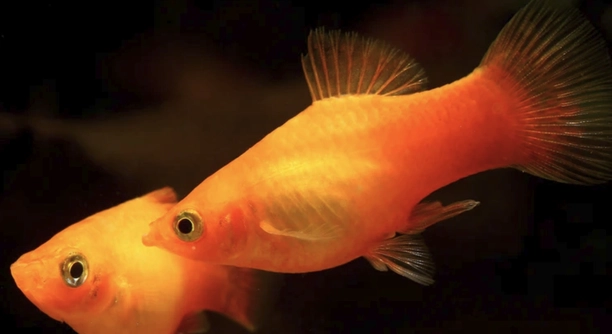
Platies are popular freshwater fish known for their vibrant colors and peaceful nature. Many aquarium owners enjoy keeping them as part of their home tanks. Understanding their usual behavior helps ensure they stay healthy and happy.
Normal behavior for a healthy platy includes active swimming, regular feeding, and social interaction with other fish. They display consistent activity levels during the day, respond to food, and maintain clear eyes and intact fins without signs of stress or illness.
Recognizing these behaviors can help you spot any early signs of health issues. This knowledge supports better care and a thriving aquarium environment.
Typical Activity Patterns of Healthy Platies
Healthy platies are generally active throughout the day, especially during feeding times. They swim steadily around the tank, exploring their environment but without frantic or erratic movements. These fish prefer to stay near the middle to upper levels of the aquarium, occasionally resting on plants or decorations. During the night or darker hours, their activity decreases as they rest but they remain alert. If you notice your platy hiding constantly or staying at the bottom without reason, it might indicate stress or illness. Regular observation of their swimming patterns helps track their wellbeing. A consistent level of activity paired with smooth, controlled swimming is a clear sign that your platy is comfortable and healthy in its environment.
Normal platy activity includes smooth swimming, occasional resting, and social interaction with other fish. Abrupt changes in these patterns can signal health concerns.
Understanding their daily behavior helps prevent problems and keeps the fish thriving over time. Monitoring their activity also supports better tank management.
Social Behavior and Interaction
Platies are social fish that usually live peacefully in groups. Their social nature encourages interaction with other tank mates, including gentle swimming around each other and occasionally following companions. Aggression is rare, but slight chasing can happen during mating periods. These fish communicate through body language, such as fin movements and positioning. Healthy platies tend to respond to each other calmly, avoiding prolonged conflict. If your platy is isolated or shows aggressive behavior constantly, it could be a sign of stress or poor tank conditions.
Social interaction is important for platies’ wellbeing and helps reduce stress in captivity.
Maintaining a proper group size and compatible tank mates is essential for fostering a peaceful environment. When platies have company, they exhibit natural behaviors that promote their mental and physical health. Careful observation of their social dynamics allows you to adjust tank conditions to minimize stress. Introducing plants and hiding spots can also support positive interactions by giving the fish places to retreat if needed. These measures ensure that your platies remain active, engaged, and content in their home.
Feeding Behavior of Platies
Platies eagerly accept a variety of foods, including flakes, pellets, and live or frozen options. They usually come to the surface during feeding times, showing interest and quick response. A healthy platy maintains a steady appetite without overeating or refusing food.
A balanced diet is essential to keep platies healthy and vibrant. Feeding them small amounts two to three times daily prevents overfeeding and water quality issues. Offering occasional treats like bloodworms or brine shrimp enriches their diet and provides necessary nutrients. Watching their feeding behavior helps identify potential health problems early, such as loss of appetite or difficulty eating.
Proper feeding supports energy levels and coloration. If your platy ignores food or becomes overly aggressive at feeding, it may signal stress or illness. Monitoring these behaviors is crucial for timely care and adjustment of diet.
Breathing and Respiration Patterns
Normal platy respiration is steady and rhythmic, with regular gill movements. Occasional faster breathing may happen briefly due to excitement or changes in water temperature but should return to normal quickly. Constant rapid gill movement is a warning sign.
Oxygen levels in the tank directly affect breathing. Poor aeration or high waste levels can cause platies to gasp at the surface or show labored breathing. Regular water changes and proper filtration maintain healthy oxygenation. Monitoring gill movement is a simple way to assess overall health.
If you observe persistent heavy breathing or lethargy, check water parameters immediately. Early intervention can prevent serious health problems.
Color and Appearance Changes
Healthy platies have bright, consistent colors and smooth scales. Fading or dullness can indicate stress or illness.
Watch for any spots, lesions, or frayed fins. These signs often point to infections or poor water conditions that need immediate attention.
Response to Environment
Platies adapt quickly to stable tank conditions. They explore new objects or plants but avoid sudden changes. If the environment is suitable, they remain calm and active.
Reproductive Behavior
Male platies chase females gently during mating without causing harm. Females may appear slightly larger and rounder when gravid. This behavior is normal and part of their lifecycle.
Resting Behavior
Platies rest quietly near plants or decorations. They do not remain completely still but slow down their movements as part of normal rest periods.
FAQ
What is normal swimming behavior for a platy?
Platies swim smoothly and steadily throughout the tank. They tend to stay in groups and explore different areas without frantic or erratic movements. Normal swimming is calm and balanced, with fish often gliding near the middle and upper levels of the aquarium.
How often should platies eat?
Platies should be fed small amounts two to three times daily. Overfeeding can cause water quality issues, so it’s best to give only what they can consume within a few minutes. A varied diet including flakes, pellets, and occasional live or frozen foods keeps them healthy.
What signs indicate a platy is stressed?
Stress signs include hiding frequently, loss of appetite, faded colors, and sluggish or erratic swimming. Also watch for clamped fins or gasping at the surface. Stress often results from poor water conditions, overcrowding, or incompatible tank mates.
Is it normal for platies to chase each other?
Yes, mild chasing happens, especially during mating periods. Males may follow females closely, but aggressive behavior that causes injury is not normal and suggests a problem with tank conditions or fish compatibility.
How can I tell if my platy is sick?
Look for changes in behavior such as reduced activity, refusal to eat, rapid breathing, or visible signs like white spots, torn fins, or swelling. Early detection and proper water care can prevent many illnesses.
Do platies sleep?
Platies rest rather than sleep deeply. They slow down movement and often stay near plants or decorations during low light or nighttime hours. This restful behavior is normal and important for their health.
What water temperature is best for platies?
Platies thrive in temperatures between 70°F and 78°F (21°C to 26°C). Keeping the water stable within this range helps maintain their activity and health. Sudden temperature changes can cause stress.
Can platies live alone?
While platies can survive alone, they are social fish that do better in small groups. Keeping multiple platies promotes natural behaviors and reduces stress. A group also helps maintain a peaceful tank environment.
How do platies communicate?
Platies communicate mostly through body language like fin movements and swimming patterns. Gentle nudging or positioning indicates social interaction or mating behavior. They do not make sounds but respond to changes in their environment.
What should I do if my platy shows abnormal behavior?
First, check water quality parameters such as ammonia, nitrites, nitrates, and temperature. Make sure the tank is clean and well-maintained. Isolate sick fish if possible and consider consulting a vet or aquatic specialist for treatment advice.
Understanding what normal behavior looks like for a healthy platy is essential for any aquarium owner. These fish are active, social, and respond well to their environment when conditions are right. Observing their daily routines, such as swimming patterns, feeding habits, and social interactions, can provide valuable insight into their overall health. Noticing even small changes early on helps prevent bigger problems and keeps your platies thriving.
Maintaining stable water conditions and providing a balanced diet are key factors in supporting normal behavior. Platies rely on a clean, well-filtered tank with proper temperature and oxygen levels. Feeding them the right amount of food, spread out over the day, ensures they stay energetic without water quality issues. Adding plants and hiding spots encourages natural behavior and reduces stress, which also plays a part in keeping their activity consistent and calm.
Regularly checking on your platy’s behavior lets you enjoy the full beauty and peacefulness these fish bring to an aquarium. By paying attention to their breathing, coloration, swimming, and interaction with others, you create a healthy environment for them to flourish. This careful observation combined with good care practices is the best way to ensure your platies live a long, healthy life in your home tank.

Hello,
If you enjoy the content that we create, please consider saying a "Thank You!" by leaving a tip.
Every little bit helps us continue crafting quality advice that supports the health, happiness, and well-being of pets around the world, for pets of all shapes, sizes, and species.
We really appreciate the kindness and support that you show us!