
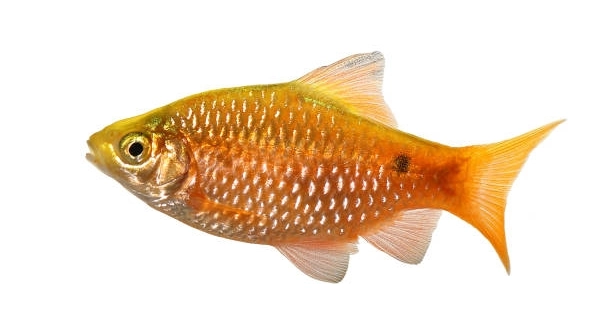
Rosy Barbs are popular aquarium fish known for their vibrant colors. Sometimes, their color changes unexpectedly, which can be surprising for fish owners. Understanding the reasons behind these changes can help maintain a healthy environment for your fish.
Color changes in Rosy Barbs are primarily caused by factors such as stress, water quality, diet, and breeding conditions. Environmental changes impact pigment cells, resulting in shifts from bright reds to paler shades or duller tones.
Knowing the common causes of color change helps you care for your Rosy Barb effectively and keep its colors bright and healthy.
Common Causes of Rosy Barb Color Change
Rosy Barbs can lose their bright colors for several reasons. Poor water quality is one of the biggest factors, as high levels of ammonia or nitrites stress the fish and dull their color. Temperature fluctuations can also affect their pigmentation. Stress from overcrowding or aggressive tank mates may cause color fading as well. Another common cause is diet. Rosy Barbs need a balanced diet with enough carotenoids to maintain their reds and oranges. Without proper nutrition, their colors will appear washed out. Lastly, age plays a role—older fish naturally lose some vibrancy over time. Keeping these factors in check helps maintain your fish’s healthy appearance and wellbeing.
Stress and poor nutrition often cause noticeable dulling of Rosy Barb colors in aquariums.
Knowing the main causes of color change allows you to make adjustments, such as improving water quality or upgrading their diet. Testing water regularly and feeding a variety of quality foods rich in pigments can restore your Rosy Barb’s color. Reducing stress by ensuring enough space and compatible tank mates will also help keep their colors bright and vivid.
How Water Quality Impacts Color
Water quality directly affects a Rosy Barb’s health and appearance. Dirty or unbalanced water leads to stress, which can cause color loss. Maintaining proper pH, temperature, and cleanliness creates a stable environment that supports vibrant colors. Regular water changes and monitoring ammonia, nitrite, and nitrate levels are essential for color retention. Poor water conditions weaken the fish’s immune system, making it harder to display bright pigmentation. Good filtration and avoiding overfeeding prevent buildup of harmful substances. Clear water also enhances the way light interacts with the fish’s scales, highlighting their natural colors. Consistent care with water quality is one of the most effective ways to keep your Rosy Barb looking its best.
Diet and Its Role in Color Maintenance
A balanced diet is key to keeping your Rosy Barb’s colors vibrant. Foods rich in carotenoids enhance red and orange hues naturally.
Providing a varied diet that includes high-quality flakes, pellets, and live or frozen foods can greatly improve coloration. Foods like brine shrimp, bloodworms, and specially formulated color-enhancing pellets provide essential nutrients. Avoid feeding only one type of food, as this can lead to nutrient deficiencies. Vitamin supplements can also support pigment development and overall health. Consistency in feeding and choosing nutrient-rich options help maintain strong, vivid colors in your fish over time.
Poor nutrition weakens pigment cells, causing dull and faded colors. To support your Rosy Barb, make dietary improvements gradually and observe how their color responds. Sometimes, it may take a few weeks to see noticeable results. Feeding in moderation also prevents excess waste and helps maintain good water quality, which further supports color retention. Balancing diet and tank care ensures your fish remains healthy and colorful.
Stress Factors Affecting Color Changes
Stress causes significant color changes by affecting fish health and pigment expression. Identifying and reducing stressors is crucial.
Common stress sources include overcrowding, incompatible tank mates, sudden water changes, and loud noises near the aquarium. Fish under stress may hide or become less active, and their colors can fade quickly. Consistent tank conditions and peaceful companions reduce stress levels, helping maintain bright coloration. Monitoring behavior and making adjustments promptly can prevent long-term damage.
Minimizing stress creates a stable environment where your Rosy Barb can thrive. Providing hiding spots and avoiding sudden environmental changes contribute to their well-being. Calm conditions allow fish to show their best colors naturally without interference from external pressures.
Breeding and Color Changes
Breeding Rosy Barbs can cause temporary color fading. Males often lose some brightness while preparing to spawn.
After spawning, colors usually return as hormone levels balance out. Providing a stress-free environment speeds up recovery.
Aging and Its Effect on Color
As Rosy Barbs age, their colors naturally become less intense. This fading is a normal part of their life cycle and doesn’t always indicate poor health.
Maintaining good care and a healthy diet can help aging fish retain some vibrancy longer, even as natural fading occurs.
Lighting and Color Intensity
Proper lighting enhances Rosy Barb colors by making pigments more visible and vibrant. Choosing the right aquarium lights can improve their appearance significantly.
FAQ
Why has my Rosy Barb’s color suddenly faded?
Sudden color fading is often a sign of stress or poor water conditions. Check water parameters like ammonia, nitrite, nitrate, and pH immediately. Changes in temperature or aggressive tank mates can also cause stress, which dulls their color. Improving water quality and reducing stress usually helps restore color.
Can diet alone bring back my fish’s bright colors?
A good diet is essential but not the only factor. While foods rich in carotenoids enhance reds and oranges, color depends on water quality, stress levels, and genetics too. Combining a balanced diet with a stable tank environment gives the best results.
How long does it take for color to return after improving conditions?
Color recovery can take several days to a few weeks. Fish need time to regain strength and rebuild pigment cells after stress or poor nutrition. Patience and consistent care are important for full color restoration.
Is it normal for Rosy Barbs to change color during breeding?
Yes. Males often lose some color intensity while spawning. This is temporary and their bright colors return once breeding activity ends and hormone levels stabilize.
Can poor lighting cause color changes?
Inadequate or harsh lighting can affect how colors appear. Proper aquarium lighting enhances pigment visibility. Using full-spectrum LED lights designed for fish can help maintain vibrant colors.
Do older Rosy Barbs lose their color permanently?
Aging naturally reduces color intensity, but good care can slow this process. Older fish might never be as bright as young ones, but healthy diet and environment help maintain their appearance.
Should I quarantine new fish to avoid color problems?
Yes, quarantining new fish prevents introducing diseases and stress to your main tank. Illness or parasites can cause color loss, so keeping new arrivals separate for a couple of weeks is a smart precaution.
Can changing tank mates improve my Rosy Barb’s color?
Sometimes. Aggressive or overly dominant tank mates stress Rosy Barbs, causing dull colors. Choosing peaceful companions reduces stress and helps fish maintain their natural vibrancy.
Are there specific foods best for enhancing Rosy Barb color?
Foods rich in natural pigments like carotenoids work best. Brine shrimp, bloodworms, spirulina flakes, and color-enhancing pellets support bright reds and oranges. Avoid overfeeding to maintain water quality.
Does water temperature affect color?
Yes, temperature influences metabolism and pigment production. Keeping the tank within the recommended range (around 72–79°F or 22–26°C) supports healthy coloration and overall fish health.
Final thoughts on your Rosy Barb’s color change focus on understanding the many factors that influence their appearance. Color shifts are normal but can indicate changes in the fish’s environment or health. Maintaining good water quality, a balanced diet, and a stress-free tank environment are key steps to preserving vibrant colors. Paying close attention to these areas can prevent unwanted fading and keep your fish looking its best for longer.
It is important to remember that color changes do not always mean something is wrong. Sometimes, changes happen naturally due to aging or breeding cycles. In these cases, colors may fade temporarily or gradually over time. Observing your fish’s behavior and overall health alongside color changes helps determine whether adjustments are needed. If your Rosy Barb is eating well, active, and swimming normally, minor color shifts are likely not cause for concern. However, significant or sudden changes should be addressed by checking water parameters and tank conditions.
Ultimately, caring for Rosy Barbs means being consistent and attentive. Regular tank maintenance, quality food, and minimizing stress will promote strong colors and a healthy fish. Even small improvements in care can make a noticeable difference in their appearance. By understanding what affects color and responding accordingly, you can enjoy the natural beauty of your Rosy Barb for years to come.

Hello,
If you enjoy the content that we create, please consider saying a "Thank You!" by leaving a tip.
Every little bit helps us continue crafting quality advice that supports the health, happiness, and well-being of pets around the world, for pets of all shapes, sizes, and species.
We really appreciate the kindness and support that you show us!