
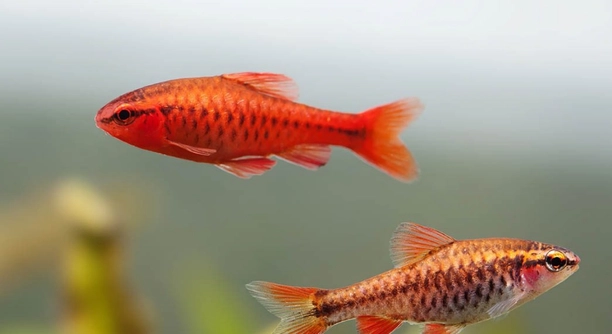
Cherry barb pecking behavior can be perplexing for many aquarium owners. Understanding why they behave this way can help improve their overall care and well-being. Their interactions are more than just random actions.
The primary reason behind cherry barb pecking behavior is often related to territorial instincts or social hierarchy. Pecking can occur during feeding, mating, or when establishing dominance within the group. It is a normal part of their behavior.
Recognizing the causes behind this behavior can help you create a healthier environment for your cherry barbs. Understanding these factors will support their well-being and prevent unnecessary stress or aggression.
The Role of Pecking in Cherry Barb Social Structure
Cherry barbs are social fish that thrive in groups. Pecking is often seen as a way to establish a social hierarchy within their school. When they interact with one another, the more dominant fish will sometimes peck at the others to show their position. This behavior is not usually harmful but can lead to stress if the pecking is too frequent or aggressive. A well-balanced group with enough space and hiding spots can help reduce this behavior. Male cherry barbs, in particular, are more likely to engage in pecking to assert dominance, especially when there is competition for females.
Even though pecking may seem aggressive, it is a natural aspect of their behavior. Cherry barbs often use these interactions to define territories and rank within the group. This helps ensure a more organized structure, where the fish can coexist peacefully despite occasional conflicts.
The frequency and intensity of the pecking can also be influenced by their environment. If the tank is overcrowded or lacks adequate resources like plants or hiding spots, the fish may become more aggressive in their social interactions. Maintaining a healthy environment with enough space for all fish is essential to keep stress levels low. If the aggression becomes excessive, it’s a sign that changes need to be made.
Environmental Factors That Impact Pecking Behavior
Overcrowding can lead to stress, triggering more frequent pecking. Providing a spacious tank can reduce this issue.
Proper tank conditions are key to managing cherry barb behavior. A tank with plenty of plants, decorations, and hiding spots will allow the fish to establish territories without conflict. It is essential to ensure that the fish feel secure, which will naturally reduce unnecessary pecking. A tank that is too sparse can encourage more territorial behavior, as there are fewer places for the fish to retreat. Additionally, having a school of at least six cherry barbs is recommended to spread out any tension within the group. This allows weaker fish to blend in and feel less targeted.
How Feeding Affects Pecking Behavior
Feeding time can also play a significant role in pecking behavior. If there is competition for food, cherry barbs may engage in pecking to assert dominance over their peers. This behavior is most noticeable during the feeding process, as more dominant individuals may peck at others to get a larger share of the food. To minimize this, provide enough food for all the fish and spread it out across different areas of the tank. This helps reduce competition and aggression.
Feeding small portions at a time can also help create a calmer environment. By ensuring that there is always enough food available, all the fish can eat without the need to fight over it. Overfeeding can lead to excess waste in the tank, which may affect water quality and lead to stress. Keep the feeding schedule consistent to avoid creating a chaotic atmosphere during meals.
Fish are intelligent and can easily associate feeding time with territorial behavior if it’s not managed properly. To prevent this, it’s important to feed your cherry barbs regularly, but in a way that promotes fairness. A well-balanced diet, along with a proper feeding routine, will allow for less aggression and more peaceful social interactions.
The Importance of Tank Mates in Reducing Pecking
Choosing appropriate tank mates is crucial to reducing pecking behavior in cherry barbs. Peaceful species can help create a calm environment where your cherry barbs are less likely to engage in territorial disputes. However, adding aggressive fish can escalate the pecking behavior. It’s best to pair cherry barbs with other non-aggressive species that won’t provoke territorial instincts.
When selecting tank mates, consider the size and temperament of the fish. Species like tetras, gouramis, and small catfish tend to coexist well with cherry barbs. Avoid larger, more dominant species that might stress the cherry barbs and lead to increased pecking. The right mix of fish will create a more peaceful tank environment and reduce the chances of aggressive interactions.
A community tank with a variety of peaceful species allows cherry barbs to focus on their natural behavior without the added stress of defending their space. By providing a harmonious mix of fish, you can help reduce stress, minimize aggression, and ensure that all your fish live together peacefully.
The Role of Water Quality in Pecking Behavior
Water quality plays a major role in the behavior of cherry barbs. Poor water conditions can increase stress, which in turn may lead to more frequent pecking. Maintaining clean, well-filtered water with proper pH and temperature levels helps reduce this stress.
Regular water changes and checking for high ammonia or nitrate levels are essential to keeping your cherry barbs healthy and calm. When water quality declines, it can lead to frustration, triggering territorial behavior. Clean water keeps your fish comfortable, which in turn lowers aggression.
How Stress Impacts Aggression
Stress is one of the key factors behind aggressive behavior in cherry barbs. Factors like poor water quality, overcrowding, and competition for food can lead to heightened stress. This causes the fish to act out, sometimes pecking at each other.
Ensuring a stress-free environment for your cherry barbs requires consistent water care, appropriate tank conditions, and enough space for them to move freely. By minimizing stressors, you help maintain a peaceful atmosphere in the tank, reducing unwanted aggression.
Maintaining a Peaceful Tank Environment
Keeping your tank peaceful means more than just managing the fish themselves. It’s important to maintain a balanced ecosystem. Use plants and decorations to provide hiding spaces and territories, allowing each fish to establish its own space.
FAQ
Why do cherry barbs peck at each other?
Pecking is a natural behavior for cherry barbs, especially when establishing social hierarchies or defending territory. Males are more likely to engage in pecking to assert dominance or compete for females. This behavior often occurs during feeding or breeding. While it may seem aggressive, it’s typically not harmful unless it becomes excessive. Providing enough space, hiding spots, and a proper tank setup can help reduce the frequency of pecking.
Can pecking lead to injury in cherry barbs?
In most cases, pecking does not lead to serious injury. However, if the pecking is persistent or overly aggressive, it can cause stress and damage to the fish. If you notice wounds or the behavior escalating, it’s important to assess the tank conditions. Overcrowding, lack of hiding places, or an unbalanced social structure can contribute to this behavior. Adding more fish or adjusting tank conditions may help prevent further injury.
How can I stop cherry barbs from pecking each other?
The most effective way to stop pecking is to ensure the fish feel secure in their environment. Providing enough space, plants, and decorations will give the fish places to hide and claim territories. Keep the tank well-maintained with clean water and a stable temperature. Additionally, having a school of at least six cherry barbs can spread out aggression, reducing the likelihood of pecking. If the behavior persists, consider adding other peaceful fish species to help reduce tension.
Does the tank size affect cherry barb pecking behavior?
Yes, tank size plays a significant role in reducing pecking. Cherry barbs are social fish and thrive in groups. A small tank can lead to overcrowding, which increases stress and heightens aggression. Providing a larger tank allows the fish to spread out, claim their own space, and reduces the chances of territorial conflicts. Aim for a tank size of at least 20 gallons for a small group of cherry barbs.
Do cherry barbs peck other species in the tank?
Cherry barbs generally focus their pecking behavior on each other, particularly when establishing dominance or competing for resources. However, if the tank is overcrowded or stressed, they may target other species, especially if the other fish are smaller or weaker. Choosing peaceful tank mates and ensuring a stress-free environment will help minimize this issue.
How can I tell if my cherry barbs are stressed?
Stressed cherry barbs may show signs such as increased hiding, erratic swimming, or loss of appetite. They may also engage in more aggressive behaviors, like pecking or chasing. Stress can be caused by poor water quality, overcrowding, or a lack of hiding places. Regularly monitor water conditions and provide sufficient space for the fish to reduce stress.
Is it normal for cherry barbs to peck at the aquarium glass?
Yes, cherry barbs may peck at the aquarium glass, especially if they are looking for food or exploring their surroundings. This behavior is typically harmless but can indicate that the fish are curious or hungry. Ensure they are being fed regularly and that they have plenty of stimulation in the tank to prevent this behavior from becoming a sign of stress.
How often should I feed my cherry barbs to prevent aggression?
Feeding cherry barbs regularly is important to keep them healthy and reduce aggressive behaviors. Feed small amounts once or twice a day, depending on the size of the group. Overfeeding can lead to water quality issues, while underfeeding may cause competition for food, increasing aggression. It’s better to feed small portions throughout the day to prevent excessive competition.
Can the gender of cherry barbs influence pecking behavior?
Yes, the gender of cherry barbs can influence their behavior. Males are more likely to engage in pecking, especially during breeding season when they are competing for females. Female cherry barbs are generally less aggressive and more passive. If you have multiple males in the tank, there may be more frequent pecking, so balancing the genders can help maintain peace.
How do I know if the pecking behavior is excessive?
Excessive pecking occurs when the behavior leads to visible harm, stress, or constant disruption in the group. If you notice wounds, fin damage, or consistent chasing, this may be a sign that the pecking is becoming a problem. Ensuring proper tank conditions, reducing overcrowding, and adding more hiding spaces can help alleviate the stress and reduce excessive pecking.
What is the best tank setup for cherry barbs?
A good tank setup for cherry barbs includes plenty of plants, decorations, and hiding spots to reduce territorial conflicts. A tank size of at least 20 gallons is ideal for a small group. The water should be kept clean with a good filtration system, and the temperature should be stable, ideally between 74-80°F. A well-maintained tank reduces stress and provides a healthier environment for your fish.
Can adding more fish help with pecking behavior?
Yes, adding more cherry barbs to the tank can help with pecking behavior. Cherry barbs are social fish that feel more comfortable in larger groups. A larger school reduces the chances of individual fish being targeted by more dominant members. However, ensure the tank has enough space and hiding spots to accommodate the increased number of fish without causing overcrowding.
Is it possible for cherry barbs to stop pecking altogether?
While it’s unlikely that cherry barbs will completely stop pecking, you can minimize this behavior by providing an ideal environment. By ensuring adequate space, maintaining good water quality, and having a balanced group of fish, the frequency of pecking can be reduced. It’s important to remember that pecking is a natural behavior and not necessarily a sign of a problem unless it becomes excessive.
Final Thoughts
Understanding cherry barb pecking behavior is important for maintaining a peaceful aquarium. While pecking is a natural part of their social structure, it can become problematic if it escalates into aggression or injury. By recognizing the signs of excessive pecking, you can take steps to reduce stress in your tank and prevent unwanted behavior. Providing enough space, clean water, and hiding spots are key factors in reducing territorial disputes and aggression.
The social nature of cherry barbs means they feel more comfortable in groups. It’s important to keep them in schools of at least six fish. This not only helps with reducing stress but also minimizes the chances of any one fish being targeted by others. Additionally, maintaining a balanced tank with the right number of fish and appropriate tankmates can create a more harmonious environment. Peaceful species are best suited as companions for cherry barbs, as more aggressive fish can increase stress and lead to more frequent pecking.
In conclusion, keeping your cherry barbs healthy and happy requires attention to detail. Regular water changes, monitoring water quality, and observing fish behavior will help you identify any issues early. With the right tank setup, you can prevent excessive pecking and create a space where your cherry barbs can thrive. Understanding their behavior is the first step toward ensuring they live in a stress-free and comfortable environment.

Hello,
If you enjoy the content that we create, please consider saying a "Thank You!" by leaving a tip.
Every little bit helps us continue crafting quality advice that supports the health, happiness, and well-being of pets around the world, for pets of all shapes, sizes, and species.
We really appreciate the kindness and support that you show us!