
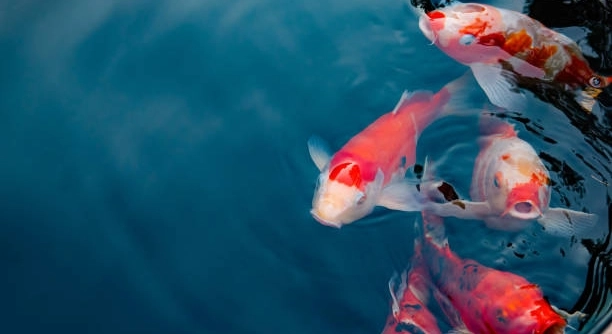
Koi fish need the right water depth to thrive throughout the year. Proper depth helps maintain stable water conditions and keeps the fish healthy and comfortable. Understanding their needs is key to successful koi care.
Koi fish require a minimum water depth of about 3 feet (90 cm) year-round to provide adequate temperature regulation, oxygen levels, and protection from predators. This depth supports their well-being in varying weather conditions and seasonal changes.
Maintaining the correct water depth helps ensure koi fish stay healthy and safe in your pond all year. Knowing these basics can improve your pond care routine.
Why Water Depth Matters for Koi Fish
Water depth is one of the most important factors for keeping koi fish healthy throughout the year. A pond that is too shallow can cause rapid temperature changes, which stresses the fish. Shallow water can also freeze completely in winter, putting koi at risk. Deeper water helps maintain a stable environment by buffering against temperature swings. It also provides koi with enough space to swim freely and hide from potential predators. The oxygen levels in deeper water tend to be more consistent, which is essential for koi survival. Without proper depth, koi can become weak or sick, making it harder for them to thrive. Additionally, proper water depth supports the natural behaviors of koi, including feeding and breeding. Balancing depth with good filtration and aeration ensures a healthy pond all year long, even in colder months.
Keeping at least three feet of water depth is a simple but effective way to protect your koi from these common problems.
Having the right depth not only safeguards your koi but also helps maintain water quality, which is vital for their long-term health.
Seasonal Changes and Pond Depth
Water depth affects how your pond handles seasonal changes.
In the summer, shallow ponds can heat up quickly, reducing oxygen levels and stressing koi. During winter, a pond less than three feet deep may freeze solid, leaving koi without safe refuge. Deeper ponds allow koi to move to cooler or warmer areas as needed, helping them survive temperature extremes. A pond with sufficient depth supports a stable ecosystem, allowing beneficial bacteria and plants to thrive, which keeps water clean. Proper depth also helps prevent the buildup of harmful toxins by supporting good circulation. Adjusting pond depth at the design stage is easier than fixing problems later, so it’s important to plan ahead. By providing adequate depth, you create an environment where koi can live comfortably through all seasons without extra intervention or worry. This ensures a healthy habitat and reduces maintenance challenges.
Ideal Pond Depth for Different Climates
The ideal pond depth varies depending on the climate where you live.
In colder regions, a pond depth of at least 4 feet is recommended to prevent freezing and to allow koi to find warmer water near the bottom. Warmer climates can manage with shallower ponds, around 3 feet, since freezing is not a concern. However, even in warm areas, deeper water helps regulate temperature swings caused by hot days and cool nights. The depth also affects oxygen levels, so ensuring enough water volume supports healthy fish in any environment. Adjusting depth based on climate helps maintain a stable, safe home for koi year-round.
Changing seasons and weather patterns influence pond conditions differently depending on your location. By tailoring pond depth to your climate, you reduce stress on the fish and improve their survival chances through extreme temperatures. A well-planned depth also lowers the risk of algae blooms and water quality issues, creating a more balanced environment. Taking the time to consider your local climate before setting pond depth makes a big difference in koi health and pond maintenance.
Factors to Consider When Measuring Pond Depth
Accurate measurement of your pond’s depth is crucial for koi health.
You need to measure the deepest point of the pond since koi will often seek out these areas in extreme weather. Uneven pond bottoms can give misleading impressions if only surface depth is checked. Measuring at multiple points helps determine the average depth and spot shallow zones that might freeze or overheat. Regular monitoring throughout the year ensures the pond maintains suitable depth despite sediment buildup or water loss.
Keep in mind that depth isn’t the only factor; good filtration, aeration, and pond design contribute to koi welfare. A pond with perfect depth but poor water quality can still harm the fish. Maintaining proper depth along with clean water will support koi growth and reduce illness risk. Depth management is a key part of overall pond health, so combining it with other care practices creates the best environment for your koi to thrive.
Maintaining Water Depth Over Time
Water levels in koi ponds can drop due to evaporation, leaks, or splash-out. Regularly checking and topping off the water helps keep the depth consistent.
Maintaining proper depth prevents stress and keeps the pond environment stable for koi.
Effects of Too Shallow Water
Shallow water heats quickly and cools rapidly, causing stress for koi. It also makes fish vulnerable to predators and diseases due to less space and oxygen.
How to Adjust Pond Depth Safely
Adjusting pond depth often involves adding soil or removing sediment carefully. It’s important to avoid disturbing plants or filtration systems during this process. Slow, gradual changes minimize stress to the koi and maintain pond balance.
Monitoring Your Pond’s Depth
Use a measuring stick or weighted line to check your pond’s depth regularly. This simple practice helps spot problems early and ensures your koi remain in a healthy environment.
FAQ
What is the minimum water depth needed for koi fish?
The minimum recommended water depth for koi fish is about 3 feet (90 cm). This depth helps protect koi from temperature fluctuations and predators. It also ensures there is enough oxygen and space for the fish to swim comfortably. Shallower ponds can stress koi and increase health risks.
Can koi survive in water less than 3 feet deep?
Koi can survive in shallower water but are more vulnerable to stress, predators, and temperature swings. In colder climates, shallow ponds may freeze solid, risking koi health or death. In warmer areas, shallow water heats faster and can reduce oxygen levels, which also harms koi.
Why does water depth matter in winter?
In winter, deeper water prevents the pond from freezing completely. Koi need a layer of unfrozen water to survive cold months. Water below about 3 feet stays warmer and allows koi to move to safer areas. Without enough depth, koi may be trapped under ice or exposed to freezing temperatures.
Does pond depth affect oxygen levels?
Yes, pond depth impacts oxygen levels. Deeper water tends to hold more oxygen and maintains better circulation. This helps koi breathe easily and stay healthy. Shallow water heats up quickly and may lose oxygen faster, especially in hot weather or during algae blooms.
How often should I check my pond’s water depth?
It’s a good idea to check pond depth regularly, at least once a month. Seasonal changes, evaporation, and debris can lower water levels. Regular checks help you keep the pond deep enough for koi health and catch any leaks or issues early.
What causes water levels to drop in a koi pond?
Water levels drop mainly due to evaporation, leaks, splash-out from fish activity, or drainage system issues. Hot weather speeds evaporation, while damaged liners or pipes cause leaks. Monitoring water levels and fixing problems quickly keeps your pond stable.
Can I increase pond depth after the pond is built?
Yes, you can increase pond depth, but it requires careful work. Removing sediment buildup or deepening the pond base involves equipment and some risk to plants and fish. It’s best to do this gradually to avoid stressing koi and disturbing the pond ecosystem.
How does pond depth affect koi behavior?
Koi use deeper water to regulate their body temperature and find shelter. They tend to stay near the bottom during extreme heat or cold. Adequate depth lets them swim freely and avoid predators. Shallow ponds limit these natural behaviors and can cause stress.
Is it possible to have a koi pond too deep?
While deeper ponds provide safety and stable conditions, extremely deep ponds can make maintenance harder. Very deep ponds may require stronger pumps and aeration to keep water circulating properly. For most home koi ponds, 3 to 4 feet is an ideal balance.
How does sediment buildup affect pond depth?
Sediment, leaves, and debris can slowly fill the pond bottom, reducing water depth over time. This makes the pond shallower and less safe for koi. Regular cleaning or pond maintenance is necessary to remove sediment and maintain proper depth for koi health.
What should I do if my pond freezes completely?
If a pond freezes solid, koi may suffer from lack of oxygen and cold stress. To prevent this, use a pond heater or aerator to keep an ice-free area. If freezing happens, carefully break the ice without shocking the fish and restore water circulation as soon as possible.
How does pond depth affect water quality?
Deeper ponds generally support better water quality because they maintain more stable temperatures and oxygen levels. This stability encourages beneficial bacteria that break down waste. Shallow ponds can experience more algae growth and toxin buildup due to temperature swings.
Can koi live in a pond with fluctuating water levels?
Koi can tolerate some fluctuation but large or rapid changes cause stress. If water levels drop too much, koi lose space and oxygen, increasing disease risk. Keeping water depth steady with regular refills and leak fixes helps koi stay healthy and comfortable.
Does pond shape affect water depth needs?
Pond shape influences how water moves and temperature changes, but depth is the key factor for koi survival. Deeper zones in any shape help koi find safe areas during extreme conditions. Flat, shallow ponds provide fewer options for koi to escape heat or cold.
How do plants affect water depth and koi health?
Plants use oxygen during night hours and take up space, which affects water volume. Having too many plants can reduce effective water depth and oxygen for koi. However, balanced plant growth improves water quality by absorbing nutrients and providing shelter. Managing plants supports good pond depth and koi health.
Proper water depth is essential for keeping koi fish healthy and safe all year round. When you provide enough depth in your pond, usually around 3 feet or more, it helps protect koi from sudden temperature changes. This stable environment allows koi to swim comfortably and avoid stress caused by extreme heat or cold. A good depth also keeps predators away and maintains proper oxygen levels, both of which are important for koi well-being. Without enough water depth, koi can become vulnerable to illness and other problems that can affect their growth and happiness.
Another important point is that maintaining the right water depth is not just a one-time task. Over time, ponds can lose water because of evaporation, leaks, or debris buildup, which reduces the pond’s depth. Regularly checking the pond’s water level and adding water when needed helps keep the environment stable. Sediment and leaves can settle at the bottom and slowly make the pond shallower, so occasional cleaning is necessary. These simple actions will keep your pond healthy and make sure your koi have enough space and clean water to live well.
Finally, understanding how pond depth interacts with other factors like climate and pond design is key. In colder areas, deeper ponds are needed to protect koi from freezing, while in warmer places, the depth helps control water temperature and oxygen levels. Along with proper depth, having good filtration and aeration supports water quality, making it easier for koi to thrive. Taking care of your pond’s depth and overall environment creates a safe and balanced home for your koi, helping them live long and healthy lives.

Hello,
If you enjoy the content that we create, please consider saying a "Thank You!" by leaving a tip.
Every little bit helps us continue crafting quality advice that supports the health, happiness, and well-being of pets around the world, for pets of all shapes, sizes, and species.
We really appreciate the kindness and support that you show us!