
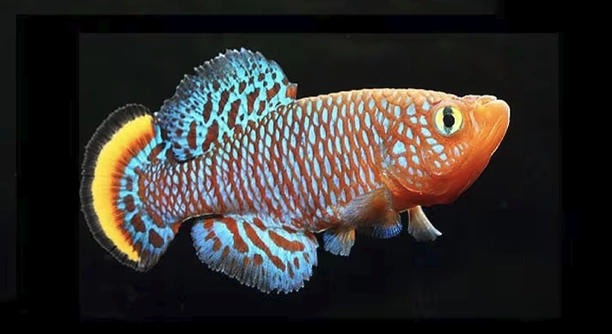
Net selection is important for anyone keeping killifish. Choosing the right type helps protect these delicate fish and makes handling easier. Not all nets work well, so knowing the best options is useful for every hobbyist.
The ideal net for killifish is a fine mesh net with soft, knotless nylon or silicone material. This reduces stress and injury to the fish while allowing easy water flow and safe handling during transfers or tank maintenance.
Using the right net supports the well-being of your killifish and simplifies your care routine. The following details will guide you toward making the best choice for your aquatic friends.
Why Fine Mesh Nets Are Best for Killifish
Fine mesh nets are preferred because they protect the delicate scales and fins of killifish. These fish have fragile bodies, so a coarse net can cause damage or stress. Soft, knotless nets made of nylon or silicone reduce the risk of tearing or scraping. This gentle material also prevents the fish from getting caught in the net fibers. Additionally, fine mesh nets allow water to flow easily, making it less stressful when moving fish between tanks. Handling killifish carefully is important for their health, and the right net helps ensure safe transfers. Investing in a quality net designed for small, sensitive fish can make routine care much smoother. Avoiding nets with large holes or rough material reduces injury risk. Choosing the right net is a small step that can have a big impact on killifish well-being.
Soft, fine mesh nets minimize harm and make tank maintenance less stressful for both fish and owner.
Taking care with net selection helps keep killifish healthy, making your routine easier and safer.
Avoiding Common Net Problems
Some nets may seem convenient but cause issues with killifish. Nets with large holes can allow small fish to escape or get injured by struggling through. Rough or knotted nets often snag fins and scales, causing pain and possible infection. Plastic or wire nets are too rigid and don’t provide the gentle support needed. Even though cheaper nets may look appealing, investing in a soft, fine mesh net is more cost-effective in the long run by preventing injury and stress. Cleaning your net regularly is important to avoid bacterial buildup, which can affect fish health. Use freshwater to rinse and air dry the net completely between uses. This care ensures the net remains safe and effective. Proper net choice and maintenance are essential parts of killifish care that help maintain their health and comfort in captivity.
Handling Killifish Safely with Nets
Using the right technique with a fine mesh net prevents injury and reduces stress for killifish. Move slowly and avoid sudden jerks when netting.
Careful handling starts by gently guiding the fish into the net without forcing it. Keep the net submerged to reduce air exposure and minimize stress. Once the fish is in the net, support it with a hand underneath if possible. Avoid squeezing or pressing the fish against the netting, as this can cause damage. Moving slowly during transfers also helps the fish stay calm and less likely to thrash. Taking time and being gentle reduces the risk of injury and supports the fish’s overall health.
Always check that the net is clean and free of sharp edges before each use. Keeping calm during handling helps the killifish stay relaxed and safe throughout the process.
Choosing the Right Net Size for Your Killifish
Selecting an appropriately sized net is essential for safe handling. Too large a net can make it difficult to control the fish, while too small can cause crowding and stress. The net should be just large enough to comfortably hold your killifish without excess space. This balance allows easier control and minimizes the chance of injury during transfer.
A good rule is to choose a net slightly bigger than the fish but not oversized. Smaller nets offer more precision, especially for young or small killifish. Using the correct size net improves handling efficiency and reduces stress during routine care. Keeping the right size in mind also helps maintain your killifish’s health and comfort, making your maintenance tasks smoother and safer.
Materials That Work Best for Killifish Nets
Soft, flexible materials like silicone and knotless nylon are best for killifish nets. They reduce the risk of injury and provide gentle support during handling. Avoid rough or stiff materials that can damage delicate fins.
Choosing the right material means less stress for your fish and easier maintenance for you. These materials also dry quickly, preventing bacterial growth.
Why Avoid Metal or Wire Nets
Metal or wire nets can be too rigid and sharp for killifish. These materials risk injuring delicate fins or scales and cause unnecessary stress. They also do not flex, making handling more difficult.
Using soft, fine mesh nets is safer and more comfortable for killifish, protecting their fragile bodies during transfers.
Proper Net Cleaning Tips
Rinse nets in clean, fresh water after each use to remove debris and prevent bacteria buildup. Avoid harsh chemicals that could harm fish.
Dry nets fully before storing to maintain cleanliness and extend net life.
FAQ
What size net should I use for killifish?
The ideal net size should be just large enough to comfortably hold your killifish without too much extra space. A net about one and a half times the length of the fish works well. This size helps control the fish without crowding or stressing it.
How often should I clean the net?
Clean the net after every use to remove debris and prevent bacteria buildup. Rinse it with fresh water and allow it to dry completely before storing. Avoid using soaps or chemicals that might harm your fish.
Can I use any fish net for killifish?
Not all nets are suitable. Nets made from soft, fine mesh like silicone or knotless nylon are best. Avoid nets with rough or stiff materials such as wire or metal, which can injure delicate killifish.
Is it safe to net killifish frequently?
Frequent netting can stress killifish, so limit handling to when it’s necessary. When you do net them, use gentle movements and a soft net to reduce stress and prevent injury.
Why do killifish get stressed when netted?
Killifish are sensitive, and sudden movements or rough handling can scare them. Using a fine mesh net and moving slowly helps reduce this stress during transfers.
What should I do if my killifish gets injured by a net?
If you notice torn fins or scales, isolate the fish in a quarantine tank and consider treatments for infections. Using a softer net and handling carefully helps avoid future injuries.
Are silicone nets better than nylon nets?
Both silicone and knotless nylon are safe and gentle on killifish. Silicone is softer and less likely to damage fins, while nylon is lightweight and affordable. Either choice works well if it is fine mesh and knotless.
Can I use a net with knots for killifish?
Nets with knots can snag and tear the delicate fins of killifish. Knotless nets are preferred as they are smoother and safer, causing less damage during handling.
How do I minimize stress when moving killifish between tanks?
Keep the net submerged and move slowly to avoid sudden movements. Supporting the fish gently helps it feel secure. Limiting air exposure and quick transfers reduce stress.
Is it necessary to have a separate net for killifish?
Using a dedicated net helps prevent cross-contamination between tanks. It reduces the chance of spreading diseases and protects your killifish’s health.
Can a net damage killifish scales?
Yes, nets with rough materials or knots can scrape and damage scales. This can lead to infections. A fine, soft mesh net prevents damage and supports fish health.
What’s the best way to store a killifish net?
After cleaning and drying, store the net in a dry, ventilated area to prevent mold or bacteria growth. Avoid folding it tightly to maintain its shape and material integrity.
Choosing the right net for killifish is an important part of keeping these delicate fish healthy and comfortable. A fine mesh net made from soft, knotless nylon or silicone is best because it reduces the chance of injury. Killifish have fragile fins and scales, so using a rough or coarse net can cause damage that might lead to infection or stress. Selecting the correct net size is also important. The net should be just big enough to hold the fish without being too large or too small. This makes handling easier and safer for the fish during transfers or tank cleaning.
Handling killifish gently with the right net material and size can make a significant difference in their well-being. Moving slowly and keeping the net submerged reduces stress, as sudden movements or exposure to air can frighten the fish. It is also essential to clean the net thoroughly after each use to prevent bacteria buildup. Avoiding harsh chemicals during cleaning protects both the net and the fish. Proper net care extends the life of the net and helps maintain a safe environment for your killifish. Having a dedicated net for your killifish can also prevent the spread of disease between different tanks.
Investing in a quality, soft, fine mesh net and practicing careful handling techniques can save you time and protect your fish from harm. While it might be tempting to use cheaper or less suitable nets, the health of your killifish benefits greatly from the right equipment. Taking these small steps ensures your fish remain healthy and comfortable in their habitat. Overall, selecting the best net and using it properly is a simple but effective way to improve your killifish care routine.

Hello,
If you enjoy the content that we create, please consider saying a "Thank You!" by leaving a tip.
Every little bit helps us continue crafting quality advice that supports the health, happiness, and well-being of pets around the world, for pets of all shapes, sizes, and species.
We really appreciate the kindness and support that you show us!