
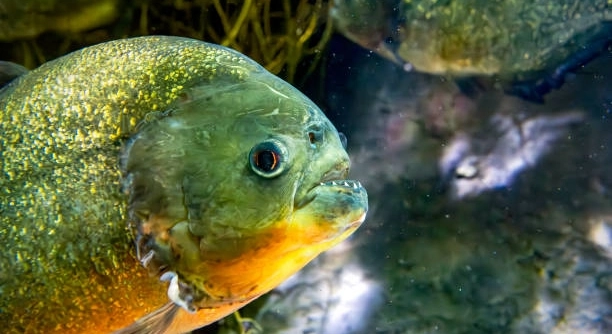
Piranhas are fascinating fish that require specific care in captivity. One important aspect is providing the right kind of cover in their tank. Proper cover helps them feel secure and reduces stress.
Piranhas need dense, natural-looking cover such as plants, driftwood, and rocks. This simulates their natural environment and offers hiding spots. Adequate cover helps maintain their well-being by reducing aggression and providing shelter.
Knowing how to arrange suitable cover will improve your piranha’s health and comfort. This article will guide you through the best options for creating a safe, peaceful habitat.
Types of Cover Suitable for Piranhas
Piranhas thrive best when their tank mimics their natural habitat. Providing dense plant cover is essential. Live or artificial plants create hiding spaces and help piranhas feel less exposed. Driftwood is another excellent choice because it offers solid structures for shelter. Rocks and caves also add to the complexity of the environment, giving piranhas places to retreat. These covers not only reduce stress but also limit aggressive behaviors common in piranhas when they feel threatened. Avoid sharp or rough decorations that could injure them. Soft, smooth surfaces are preferable to protect their delicate fins and bodies. Maintaining a mix of these cover types ensures a balanced tank environment. It’s important to arrange the cover thoughtfully, leaving enough open swimming space while offering secure retreats. This balance helps piranhas remain healthy and active without feeling overcrowded or vulnerable.
Providing adequate cover supports both physical health and mental well-being for your fish.
Proper cover placement creates a safe, calm environment that reduces stress-related illnesses and encourages natural behavior in piranhas.
Importance of Cover in Piranha Tanks
Cover in a piranha tank is more than just decoration; it plays a key role in their health. Piranhas are naturally cautious and use cover to hide from potential threats. Without proper cover, they may become stressed, which can lead to illness and aggressive interactions with tank mates. A well-covered tank helps regulate their mood and creates a sense of security. It also simulates their river habitats where plants and debris provide shade and protection. Regular maintenance of the cover is necessary to prevent buildup of harmful bacteria or algae, which can negatively affect water quality. Changing and cleaning driftwood or plants keeps the tank environment healthy. Choosing the right cover materials that do not alter the water’s pH or hardness is crucial. This attention to detail supports longevity and vitality in piranha care. Keeping cover clean and natural helps your piranhas live a balanced and less stressful life.
Choosing the Right Plants for Piranha Tanks
Live plants improve water quality by absorbing nitrates and providing oxygen. Hardy plants like Java fern and Anubias are ideal since they withstand piranhas’ occasional nibbling. These plants root firmly and won’t easily uproot from the substrate, helping to maintain tank stability.
In addition to their practical benefits, live plants create natural hiding spots and reduce stress. They also help mimic the shaded, murky environment piranhas prefer. Avoid delicate or fast-growing plants that require constant care and are easily damaged. Artificial plants can be used but choose those with soft, smooth edges to prevent injury. Arranging plants in clusters with open swimming areas allows piranhas to explore while having shelter nearby.
Maintaining live plants requires moderate lighting and proper fertilization. Regular trimming prevents overgrowth, which can affect water flow and cleanliness. Healthy plants contribute to a balanced ecosystem, supporting piranha health and comfort over time.
Safe Tank Decor Materials
Choosing decor made from non-toxic materials is vital for piranha safety. Driftwood and smooth river rocks are excellent because they don’t release harmful substances. Avoid metals or painted decorations that may pollute the water. Natural decor also helps maintain stable water chemistry.
Besides safety, these materials help recreate the piranhas’ natural habitat. Driftwood can soften water and lower pH slightly, which some species prefer. Rocks provide hiding places and territorial boundaries that reduce aggression. When adding new decor, always rinse it thoroughly to remove dirt and chemicals. Boiling or soaking driftwood helps remove tannins, preventing excessive water discoloration. Properly chosen decor not only beautifies the tank but supports a healthy environment.
Regular inspection and cleaning of tank decor are necessary to avoid algae buildup and maintain water quality.
Placement of Cover in the Tank
Cover should be placed to create hiding spots without crowding the tank. Clusters of plants or rocks work well in corners or along the sides. Leave open swimming areas in the center to allow movement.
Positioning cover thoughtfully reduces stress and aggression by giving piranhas space to retreat when needed. It also helps maintain water flow and cleaning access.
How Cover Affects Piranha Behavior
Cover influences piranhas’ natural instincts, encouraging calmer and less aggressive behavior. When hiding spots are available, they feel safer and are less likely to attack tank mates. Proper cover supports social balance within the group and decreases territorial disputes. This creates a healthier environment overall, making care easier.
Maintenance of Tank Cover
Regular cleaning of plants, rocks, and driftwood prevents algae and harmful bacteria buildup. Gently rinse or soak decorations as needed. This helps keep the water clean and the tank environment safe for piranhas.
FAQ
What types of plants are best for piranha tanks?
Hardy, low-maintenance plants like Java fern, Anubias, and Amazon sword are great choices. They tolerate low light and are less likely to be uprooted or damaged by piranhas. These plants create natural hiding spots while helping improve water quality by absorbing nitrates. Avoid fragile plants that need constant care or may easily break.
Can I use artificial plants for piranha cover?
Yes, artificial plants can be used, but choose ones made of soft, smooth materials to avoid injury. Avoid plastic plants with sharp edges or rough textures. While artificial plants don’t provide water filtration benefits, they still offer hiding places and visual cover to help reduce piranha stress.
How much cover do piranhas need in their tank?
Piranhas require about 50-70% of the tank to be covered with plants, driftwood, and rocks. This amount provides enough hiding spots without overcrowding. Open swimming space is important too, so arrange cover in clusters along the sides and corners, leaving the center mostly free.
Does driftwood affect water quality?
Driftwood can slightly lower the pH and soften the water by releasing tannins, which many piranhas appreciate. It also adds natural shelter and visual appeal. Before adding driftwood, soak or boil it to reduce tannin release and prevent excessive water discoloration.
Is it safe to use rocks as cover?
Yes, smooth river rocks are safe and effective for creating hiding spots. Avoid sharp or porous rocks that can injure fish or harbor bacteria. Rinse all rocks thoroughly before adding them to the tank to remove dust and debris.
How often should tank cover be cleaned?
Clean plants, driftwood, and rocks every 2-4 weeks to remove algae and debris. Live plants may need gentle pruning to prevent overgrowth. Rinse artificial decor with warm water, avoiding harsh chemicals that can harm fish. Regular maintenance keeps the tank healthy and water quality stable.
Will piranhas eat live plants?
Piranhas may nibble on some plants but usually don’t destroy hardy species like Java fern or Anubias. Providing plenty of cover helps prevent overgrazing. If plants are damaged frequently, artificial alternatives can be a better choice.
Can piranhas live without cover?
Technically, yes, but it is not recommended. Lack of cover increases stress and aggression, leading to poor health and shorter lifespans. Cover provides security and helps mimic their natural habitat, which is essential for their well-being.
How does cover reduce aggression in piranhas?
Cover gives piranhas places to hide and establish territories, reducing fights over space. When fish feel secure, they display calmer behavior. Properly arranged cover also limits direct line of sight between individuals, lowering the chance of constant conflict.
What is the best way to arrange cover in a piranha tank?
Place dense plants, driftwood, and rocks in clusters along tank edges and corners. Leave open swimming areas in the center for movement. Arrange taller plants or driftwood towards the back and shorter plants in front to create depth and variety in shelter options.
Are there any cover materials to avoid?
Avoid decorations made of metal, painted surfaces, or sharp plastics. These can release harmful substances or injure fish. Also, steer clear of decorations that drastically alter water chemistry unless you can monitor and control the changes.
How does cover impact water flow in the tank?
Good cover placement allows water to flow freely while providing hiding spaces. Crowding the tank with too much decor can block filtration and cause dead zones, which harm water quality. Balance cover with open areas to maintain circulation.
Can I use caves as cover for piranhas?
Yes, caves made from smooth rocks or ceramic are excellent shelters. They offer a safe retreat, helping piranhas feel protected. Make sure caves are large enough to prevent trapping fish and have smooth interiors to avoid injuries.
Do piranhas prefer shaded or bright environments?
Piranhas generally prefer dim or shaded areas, reflecting their natural river habitats. Cover like plants and driftwood helps create shadows that make them feel secure. Bright, open tanks may cause stress and increase aggression.
How does cover affect breeding behavior?
In the wild, piranhas use cover for nesting and protecting their young. Providing adequate shelter in captivity encourages natural breeding behaviors. Dense cover and caves offer safe spaces for eggs and fry, improving breeding success.
Providing the right type of cover for piranhas is essential to their overall health and happiness. These fish feel safer and less stressed when they have places to hide and explore. Using natural materials like live plants, driftwood, and smooth rocks creates an environment that closely resembles their natural habitat. This helps them behave more naturally and reduces aggressive tendencies. Proper cover not only improves their mental well-being but also supports physical health by limiting injuries caused by fighting or sharp objects in the tank.
It is important to arrange cover thoughtfully to maintain a good balance between hiding spots and open swimming areas. Piranhas need space to move freely as well as places to retreat when they feel threatened. Overcrowding the tank with too much cover can block water flow and reduce cleanliness. Regular maintenance of plants and decorations keeps the tank environment stable and safe. Cleaning algae and debris from the cover helps maintain water quality and prevents buildup of harmful bacteria. Taking the time to care for both the fish and their habitat encourages long-term health and reduces stress-related problems.
Ultimately, the goal is to create a peaceful and secure home for your piranhas. The right cover materials, properly placed and maintained, provide the foundation for this. Piranhas are sensitive to their surroundings, and a well-designed tank will make a noticeable difference in their behavior and well-being. Understanding their natural needs and replicating those in captivity ensures they thrive. Providing suitable cover is a simple but effective way to support your piranhas’ comfort and longevity, making the experience of keeping them more rewarding for both you and the fish.

Hello,
If you enjoy the content that we create, please consider saying a "Thank You!" by leaving a tip.
Every little bit helps us continue crafting quality advice that supports the health, happiness, and well-being of pets around the world, for pets of all shapes, sizes, and species.
We really appreciate the kindness and support that you show us!