
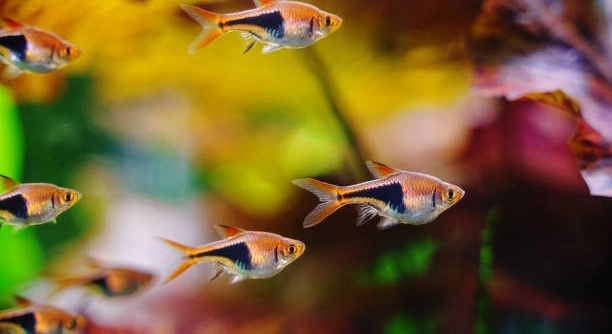
Have you ever noticed your rasbora changing color and felt unsure about what it could mean for their health or behavior?
Color changes in rasboras can signal stress, illness, environmental shifts, or natural aging. Identifying the cause early is important, as it helps prevent further complications and supports your fish’s long-term well-being in the aquarium.
Some signs are harmless, while others may need immediate attention. Understanding what to watch for will help keep your rasbora healthy and vibrant.
Common Reasons Rasboras Change Color
Rasboras can change color for many reasons, and some are completely natural. Aging often leads to faded or muted tones, especially in older fish. Stress is also a major reason. This can come from sudden water changes, loud noises, overcrowding, or aggressive tank mates. A drop in water quality or unstable temperature levels can also impact pigmentation. Illnesses like parasitic infections or bacterial diseases sometimes cause discoloration, often accompanied by other signs like clamped fins or unusual swimming. Diet also plays a role—poor nutrition can make their colors dull. If your rasbora was recently moved or introduced into a new tank, temporary color changes are likely due to the adjustment period. Observe how long the change lasts and whether there are other symptoms.
Short-term color changes caused by temporary stressors usually fade once your fish feels safe again. Watch for patterns to better understand what may be triggering the change.
If the color shift is sudden, and your rasbora looks dull or gray, you should first test the water quality. Ammonia, nitrite, and nitrate levels must remain stable. Regular water changes, proper filtration, and a balanced diet can prevent most causes of stress-related fading. Inconsistent lighting or irregular feeding schedules can also stress fish. If the water tests come back normal but your rasbora still looks pale, consider checking the tank for aggression or overcrowding. Sometimes larger or more dominant fish can intimidate rasboras, leading to persistent color loss. Always provide plenty of hiding spots and swimming space. A peaceful environment and routine care often help restore your rasbora’s natural color over time.
When Color Change Means Trouble
If your rasbora develops white patches or a cloudy appearance, it may be a sign of a disease. This needs closer attention.
Diseases like ich, fungal infections, or fin rot often show visible signs along with color changes. If your rasbora is rubbing against objects, hiding more than usual, or breathing heavily, these behaviors may indicate something is wrong. White spots, cottony patches, or reddened fins are often signs of infection. Immediate isolation and treatment may be needed to protect other fish. Treatments should be used as directed and matched to the specific condition. Quarantine tanks are helpful for observation and care. Keep the main tank clean and stable to prevent spreading. If your rasbora’s color fades slowly over time without any signs of illness or stress, it may be aging naturally. However, sudden or patchy changes often point to a problem that needs to be addressed quickly. Early attention to these issues can help protect your fish and keep your aquarium balanced.
How Diet Affects Rasbora Color
A rasbora’s diet has a direct effect on its color. Poor nutrition can cause colors to fade, while high-quality foods help keep them vibrant. Feeding a balanced variety of nutrients is key to maintaining healthy pigmentation.
Color-enhancing foods contain natural carotenoids, which help bring out red and orange hues in rasboras. Spirulina, brine shrimp, and daphnia are good options to mix into their diet. Avoid feeding only flakes, as this limits nutritional variety. Frozen or live foods given a few times per week can boost coloration and energy levels. Overfeeding or low-quality fillers can lead to bloating and stress, which may dull colors. Stick to small, scheduled feedings. A consistent feeding routine helps fish feel secure and promotes steady coloration. Watch how your rasboras respond to dietary changes, and adjust as needed to keep them looking bright and healthy.
Pellets and flakes should be chosen carefully. Some brands use artificial color boosters, which may produce temporary results but don’t support long-term health. Look for ingredients like shrimp meal or marigold extract for natural support. Rasboras that receive nutrient-rich diets often show better behavior, stronger immune systems, and deeper coloration. Feeding habits also matter—feed small amounts two to three times daily instead of large portions all at once. Uneaten food should be removed to keep the water clean. Color loss linked to nutrition can usually be reversed over time with better food choices and a more consistent feeding routine.
The Role of Tank Conditions
Tank conditions affect every part of a rasbora’s health, including how vibrant its colors look. Water quality, lighting, and even background color can influence appearance. Stable conditions help rasboras stay bright and active.
Good water quality starts with regular testing and maintenance. Rasboras are sensitive to changes in temperature, pH, and ammonia levels. Sudden shifts can cause color loss or even illness. Use a thermometer and testing kits weekly. Aim to keep temperatures between 72–80°F and pH around 6.0–7.0. Lighting should mimic natural daylight but not be overly intense—soft, steady lighting is ideal. Also, avoid placing the tank near high-traffic areas or speakers, as vibrations and noise can increase stress. Keep decorations simple but include plenty of plants and hiding spots. A dark substrate and background often make rasboras appear brighter by contrast. Combine these efforts with regular water changes and a reliable filter to create a stable, stress-free space where their color can truly stand out.
Stress-Related Color Changes
Stress causes rapid color fading in rasboras. Common stressors include overcrowding, loud environments, and sudden lighting changes. Tank mates that chase or nip at them can also lead to constant stress and dull colors.
Moving to a new tank or rearranging decorations can temporarily affect their appearance. Give them time to adjust quietly.
Natural Color Variations
Some color changes are perfectly normal. Young rasboras may develop richer tones as they grow, while older ones may gradually fade. Different lighting and background setups also affect how their colors appear.
Color shifts can happen during breeding periods too. Males often become more vibrant to attract attention. These natural changes are not harmful.
When to Seek Help
If your rasbora’s color change comes with other symptoms—like weight loss, fin damage, or erratic swimming—it’s time to consult a vet or aquatic specialist.
FAQ
Why is my rasbora suddenly losing its bright color?
A sudden loss of color often signals stress or illness. Common causes include poor water quality, temperature changes, or aggressive tank mates. It can also happen after moving the fish to a new environment. Check water parameters immediately and observe for other symptoms like lethargy or fin damage.
How long does it take for a rasbora’s color to return after stress?
Recovery time depends on the cause and tank conditions. With stable water quality and a calm environment, colors may return within a week or two. If stressors persist, color fading may continue or worsen. Consistent care and proper feeding speed up recovery.
Can diet alone improve my rasbora’s color?
Diet plays a significant role in coloration. Foods rich in carotenoids, like brine shrimp or spirulina, enhance reds and oranges. However, diet alone won’t fix color loss caused by poor water or stress. A balanced approach addressing all factors is best.
Is it normal for rasboras to change color as they age?
Yes, natural aging can dull colors over time. Juveniles often display more vibrant hues which may fade gradually. This is normal and usually not a cause for concern unless accompanied by other health problems.
Why do my rasboras look pale only during certain times of the day?
Lighting influences how fish colors appear. Bright or direct light can make colors seem more vivid, while dim or shaded areas may cause paleness. Color changes with light are normal and reversible.
How can tank decorations affect rasbora color?
Tank backgrounds and substrate colors impact perceived brightness. Dark backgrounds and substrates often make rasboras appear more vibrant. Providing hiding places reduces stress, which also supports healthier coloration.
When should I quarantine a rasbora with color changes?
Quarantine is recommended if color change is sudden and paired with other symptoms like spots, fin rot, or abnormal swimming. Isolating the fish prevents spreading possible infections to others in the main tank.
Are there any medications safe to enhance rasbora color?
No medication should be used solely to enhance color. Some treatments may temporarily brighten fish by reducing parasites or infections. Always use medications only for health issues, following instructions carefully.
What role does lighting duration play in rasbora coloration?
Consistent lighting for 8-10 hours daily supports natural color cycles. Too much light can stress fish, causing dullness, while too little light may reduce vibrancy. Use timers to maintain a steady schedule.
Can stress from tank mates cause permanent color loss?
Prolonged stress from aggressive or territorial tank mates can cause lasting color fading. If your rasboras are constantly chased or intimidated, consider rearranging the tank or separating fish to reduce stress.
How often should I test water to maintain vibrant rasbora colors?
Weekly water testing is ideal. Regular checks of ammonia, nitrites, nitrates, pH, and temperature help catch problems early. Stable water conditions support healthy fish and bright coloration.
Is it safe to mix different rasbora species with varying colors?
Mixing species is generally safe if they share similar water needs and temperaments. Color differences are natural and can create a vibrant tank. Monitor behavior to avoid bullying or stress.
What signs accompany color changes caused by disease?
Diseases often come with other signs like clamped fins, white spots, swelling, or erratic swimming. If you notice any of these along with fading color, act quickly to diagnose and treat the issue.
Can stress-related color changes be reversed without medication?
Yes, many stress-related color changes improve with better tank conditions, stable water, and proper feeding. Minimizing noise, reducing crowding, and providing hiding places help fish regain their color naturally.
How does temperature variation influence rasbora coloration?
Rasboras prefer stable temperatures between 72–80°F. Sudden drops or rises can cause stress, leading to color fading. Keeping temperature consistent is key to maintaining their natural vibrancy.
Are there specific foods to avoid that cause dull colors?
Avoid low-quality flakes or foods high in fillers and artificial additives. These can reduce overall health and cause dullness. Choose natural, nutrient-rich options for the best color results.
How important is a balanced diet compared to other factors for color maintenance?
A balanced diet is critical but works best alongside stable water and low-stress conditions. No single factor guarantees vibrant colors, but together they create the healthiest environment for rasboras.
Should I change water more often if my rasbora’s colors are fading?
More frequent water changes can improve water quality and reduce stress. For most tanks, a 25% weekly water change is sufficient. Avoid over-cleaning, which can disrupt beneficial bacteria.
Can breeding cause temporary color changes in rasboras?
Yes, breeding males often become brighter to attract females. After spawning, colors may fade temporarily. This is normal and does not indicate health problems.
How do I know if color change is serious or natural?
Look for additional symptoms like lethargy, loss of appetite, or damaged fins. If color fades slowly without other signs, it is likely natural. Sudden changes with symptoms need immediate attention.
Final Thoughts
Monitoring color changes in your rasbora is an important part of keeping them healthy. Color can reflect their well-being and the condition of their environment. While some changes are natural or temporary, others may signal stress or illness. Paying close attention to their behavior and surroundings helps catch problems early. Regular tank maintenance, including water testing and cleaning, is key to preventing most causes of color fading. Consistent care allows your rasboras to maintain their natural beauty and thrive in your aquarium.
Diet also plays a crucial role in supporting vibrant colors. Providing a balanced, varied diet with quality foods rich in natural pigments helps enhance and preserve their coloration. Avoid relying solely on basic flakes or artificial additives. Incorporate live or frozen foods such as brine shrimp or spirulina to boost their health and appearance. Feeding small portions on a regular schedule reduces stress and keeps the tank clean. Combining proper nutrition with a stable, calm environment ensures your rasboras look their best.
Finally, it is important to recognize when a color change needs attention. Natural aging, lighting differences, or breeding cycles can cause harmless shifts in color. However, sudden or patchy discoloration, especially when paired with other symptoms like lethargy or fin damage, requires prompt action. Quarantining affected fish, testing water quality, and consulting a specialist can help prevent further issues. With regular observation and proper care, you can support your rasboras’ health and enjoy their vibrant colors for years to come.

Hello,
If you enjoy the content that we create, please consider saying a "Thank You!" by leaving a tip.
Every little bit helps us continue crafting quality advice that supports the health, happiness, and well-being of pets around the world, for pets of all shapes, sizes, and species.
We really appreciate the kindness and support that you show us!