
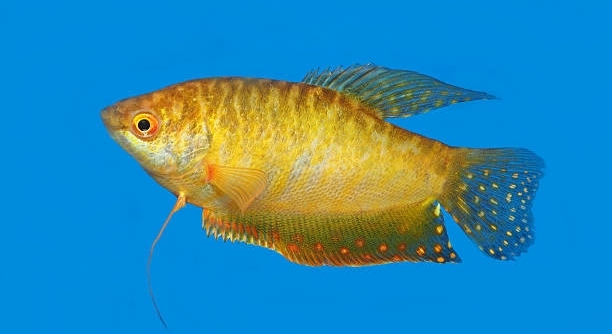
Young gouramis are small, colorful fish that many people enjoy keeping at home. Watching their behavior can tell you a lot about their health and happiness. Understanding what to expect helps you care for them better.
Young gouramis display behaviors like bubble nesting, active swimming, and occasional hiding, which indicate their comfort and development stages. Monitoring these actions provides insight into their well-being and environmental needs.
Recognizing these behaviors early can improve your ability to provide a healthy environment for your young gouramis. Learning about their habits makes caring for them more rewarding.
Understanding Bubble Nesting in Young Gouramis
Young gouramis begin showing their natural instincts early by creating bubble nests at the water surface. This behavior is an important sign of maturity and breeding readiness. The male gourami blows bubbles that stick together, forming a floating cluster. This nest serves as a place to protect eggs once breeding occurs. Watching a young gourami build a bubble nest indicates that the fish feels safe and comfortable in its environment. If your gourami is not creating nests, it could mean the tank conditions need adjustment, such as water temperature or quality. Nest-building usually happens during calm periods when the fish is not stressed by tankmates or sudden changes. It’s fascinating to see this behavior develop because it reflects a healthy and natural growth phase in your fish.
Bubble nesting is a good indicator of young gouramis’ health and breeding potential. It signals they are adapting well to their environment.
Not all gouramis will nest frequently, especially if they are stressed or if the tank conditions aren’t ideal. Providing calm water and a secure place near the surface helps encourage this natural behavior. Watching your fish create bubble nests can also deepen your understanding of their care needs.
Activity Levels and Social Behavior
Young gouramis tend to be active swimmers but also appreciate quiet moments alone. Observing how they interact with other fish and their activity levels helps assess their comfort.
Monitoring social interactions is important for maintaining a peaceful tank. Young gouramis may chase or display mild aggression, which is typical as they establish territory. However, excessive chasing or hiding may indicate stress or overcrowding. These fish generally prefer tanks with enough space and plants to create hiding spots. They often explore their environment actively but will retreat if feeling threatened. Young gouramis communicate through body movements, flaring fins, or color changes, which gives clues about their mood. By paying attention to these behaviors, you can better support a balanced tank community and reduce conflict among your fish.
Providing a calm, spacious environment with proper tank mates helps young gouramis display healthy social behaviors and activity levels. Observing their interactions closely allows for timely adjustments to tank conditions to promote well-being.
Feeding Behavior and Appetite
Young gouramis often show excitement during feeding time. They swim quickly toward food and compete gently with tank mates. Their appetite can reflect their overall health and tank conditions.
It’s important to offer a balanced diet to young gouramis, including flakes, pellets, and occasional live or frozen foods like brine shrimp. A varied diet supports growth and vibrant colors. Watch how eagerly they eat; a sudden loss of appetite might indicate stress or illness. Overfeeding can cause water quality issues, so feed small amounts two to three times daily. Monitoring feeding behavior helps ensure your gouramis receive proper nutrition while keeping the tank environment healthy.
Young gouramis sometimes nibble on plants or decorations, which can be a sign of curiosity or a need for additional nutrients. Providing a variety of foods and a clean tank promotes consistent feeding habits and supports their well-being.
Signs of Stress and Illness
Stress in young gouramis shows through unusual behaviors like hiding, clamped fins, or lethargy. These signs require quick attention to prevent illness.
Poor water quality, aggressive tank mates, or sudden changes in the environment can cause stress. Stress weakens their immune system, making them vulnerable to diseases like fin rot or ich. Regular water testing and tank maintenance are essential to prevent these problems. When stress is detected, improving water conditions and reducing tank disturbances often help. Observing your gouramis daily allows you to catch early signs of trouble and act before serious illness develops.
Early recognition of stress signals is key to maintaining healthy young gouramis. By adjusting tank conditions and offering a calm environment, you can help them recover and thrive more easily.
Interaction with Tank Mates
Young gouramis are generally peaceful but can show mild territorial behavior, especially males. They do well with other calm, non-aggressive fish that won’t crowd them.
Choosing compatible tank mates reduces stress and promotes a peaceful environment. Avoid aggressive species that may bully young gouramis.
Importance of Hiding Spots
Hiding places like plants, caves, or decorations provide security for young gouramis. These spots help reduce stress and allow them to rest safely.
Without enough hiding spaces, young gouramis may feel exposed and become shy or stressed, impacting their health.
Monitoring Growth and Development
Regular observation of size, color, and activity helps track your gouramis’ development. Healthy growth means good nutrition and proper tank conditions.
Responding to Changes in Behavior
Changes like increased aggression, lethargy, or loss of appetite signal potential problems. Quick action can prevent serious health issues.
FAQ
Why is my young gourami not eating?
A young gourami might stop eating for several reasons, including stress, poor water quality, illness, or changes in the tank environment. It’s important to check the water temperature, cleanliness, and compatibility with tank mates. Sometimes, the fish may not recognize the food or dislike its type. Try offering live or frozen foods like bloodworms or brine shrimp to stimulate appetite. If the loss of appetite lasts more than a day or two, it may be a sign of illness, and further observation or treatment could be necessary.
How often should I feed my young gourami?
Young gouramis benefit from small, frequent meals. Feeding them two to three times a day with small portions ensures they get enough nutrients without polluting the tank. Overfeeding can lead to poor water quality and health issues. Offer a variety of foods like flakes, pellets, and occasional live treats to provide balanced nutrition and keep them interested in their diet.
What water conditions do young gouramis prefer?
Young gouramis thrive in clean, warm water with temperatures between 74°F and 82°F (23°C to 28°C). The pH should be slightly acidic to neutral, around 6.0 to 7.5. Regular water changes and filtration help maintain good water quality. Avoid sudden changes in temperature or water chemistry, as this can stress the fish and affect their health. Monitoring water parameters with test kits is key to keeping your gouramis comfortable.
How can I tell if my young gourami is stressed?
Signs of stress include hiding often, clamped fins, rapid breathing, loss of appetite, and unusual swimming patterns like darting or floating near the surface. Stress can result from poor water conditions, aggressive tank mates, or overcrowding. Addressing these factors quickly by improving tank conditions and ensuring a peaceful environment helps reduce stress and supports recovery.
Is bubble nesting normal for young gouramis?
Yes, bubble nesting is a natural behavior, especially in males. It indicates maturity and readiness for breeding. The fish build floating nests by blowing bubbles coated with saliva. Seeing your young gourami build a bubble nest shows it feels safe and healthy. Lack of bubble nests might suggest stress or unsuitable tank conditions.
Can young gouramis live with other fish?
Young gouramis are generally peaceful and can live with other calm, non-aggressive fish. Avoid housing them with aggressive species or very fast swimmers that may outcompete them for food. Suitable tank mates include small tetras, rasboras, or peaceful bottom dwellers. Always observe interactions to prevent bullying or stress.
What should I do if my gourami shows signs of illness?
If your gourami appears sick—showing symptoms like white spots, torn fins, lethargy, or loss of appetite—test the water quality immediately. Quarantine the affected fish if possible to prevent spreading illness. Use appropriate treatments based on symptoms, such as antifungal or antiparasitic medications. Early intervention improves chances of recovery.
How can I encourage my young gourami to be more active?
Providing a well-maintained tank with proper lighting, plants, and enough space encourages natural activity. Offering a varied diet and regular feeding schedule also helps keep them energetic. Avoid overcrowding and stressful tank mates to allow your gourami to swim freely and display normal behaviors.
Why does my young gourami hide so much?
Hiding is normal when gouramis feel threatened or stressed. Lack of hiding spots or aggressive tank mates often cause this behavior. Adding plants, caves, or decorations offers secure spaces where they can retreat. If hiding persists with no obvious cause, check water quality and health status for underlying problems.
When do young gouramis reach adulthood?
Young gouramis usually reach adulthood between 6 to 8 months, depending on species and care conditions. During this time, their colors become brighter, and breeding behaviors like bubble nesting begin. Proper nutrition and a stable environment support healthy growth and maturity.
Final Thoughts
Caring for young gouramis requires attention to their behavior and environment. Watching how they act, eat, and interact can tell you a lot about their health and comfort. These fish show important signs like bubble nesting, activity levels, and hiding, which help you understand what they need. Providing clean water, a balanced diet, and safe tank mates creates a good environment for them to grow. It’s normal for young gouramis to be curious but also shy at times, so giving them space and hiding spots helps them feel secure.
Regular observation is key when keeping young gouramis. Noticing small changes in their behavior can prevent bigger problems later. For example, a sudden loss of appetite or excessive hiding might mean stress or illness. Stress in fish can come from poor water conditions, aggressive tank mates, or overcrowding. Taking quick action to improve these conditions helps your gouramis stay healthy. Feeding them proper amounts of food and maintaining the tank’s cleanliness will also support their growth and well-being. It’s important to keep a calm and stable environment because sudden changes can upset them.
Young gouramis are rewarding to watch as they develop and learn to adapt to their surroundings. Understanding their natural behaviors, such as bubble nest building and social interactions, gives you a better chance to care for them well. These small fish need patience and consistent care, but their bright colors and lively movements make it worthwhile. With the right attention to their needs, young gouramis can thrive and live long, healthy lives in your aquarium. Paying close attention to their behavior helps you create a peaceful, healthy tank where your gouramis feel at home.

Hello,
If you enjoy the content that we create, please consider saying a "Thank You!" by leaving a tip.
Every little bit helps us continue crafting quality advice that supports the health, happiness, and well-being of pets around the world, for pets of all shapes, sizes, and species.
We really appreciate the kindness and support that you show us!