
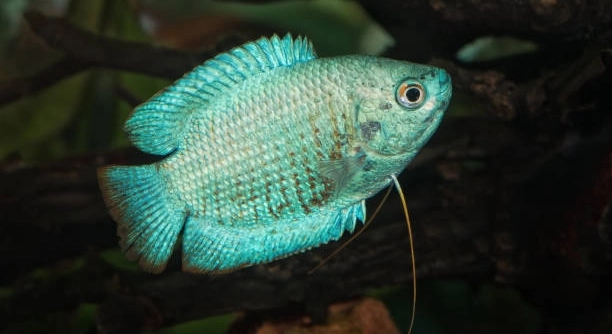
Do you ever find yourself unsure about what comes next after your gouramis have successfully paired in your aquarium?
After gouramis pair, it is important to monitor their behavior closely, especially during nesting and breeding. Look for signs of aggression, bubble nest building, and potential stressors that may impact their health or success.
Understanding these behaviors will help you support a peaceful environment and improve breeding outcomes for your gourami pair.
Watching for Nest Building and Behavior Changes
Once gouramis pair, the male often begins building a bubble nest. This is usually seen at the water’s surface, made from bubbles mixed with saliva. You might notice him staying near the nest, guarding it, or adding to it. During this time, the female may appear more passive, swimming slowly or hiding among plants. It’s best to avoid moving anything in the tank or disturbing the water too much. Gouramis can be sensitive to changes when they’re preparing to breed. Offer plenty of cover like floating plants or leafy decorations. This helps reduce stress for both fish and gives the female a safe space. Keep lighting moderate and avoid loud noises near the tank. These steps help create a calm environment where the fish feel safe. Keeping a close watch during this time can prevent unexpected aggression or injury.
Look out for any aggressive chasing or fin nipping, especially once the nest is built.
Some chasing is normal, but excessive aggression could signal stress or tank incompatibility. If the female seems constantly harassed or hides too much, you may need to separate them. A breeding box or divider can help reduce conflict without removing either fish from the tank.
After Spawning: What Happens Next
Once spawning occurs, the male will usually collect the eggs and place them into the bubble nest. He becomes very protective at this stage, often chasing away the female or any other fish nearby. It’s often best to remove the female after spawning to avoid stress or injury.
The male will stay close to the nest, guarding and tending to the eggs. You’ll notice him repairing bubbles and keeping the eggs in place. Do not disturb this process. Avoid large water changes, feeding near the nest, or changing filter settings. Keep the tank quiet and stable. After about 24 to 36 hours, the eggs will hatch, but the fry will stay in the nest for a few more days. During this time, the male continues to protect them. Once the fry become free-swimming, you can gently remove the male too. Begin feeding the fry infusoria or liquid fry food. Keep the water clean with small, gentle changes daily.
Monitoring Fry Development
The fry will begin swimming freely around day four or five. At this point, they no longer need the male, and it’s safer to remove him to prevent accidental snacking. Keep feeding light and frequent to support their early growth.
Start with infusoria or liquid fry food during the first few days. As the fry grow, you can slowly introduce freshly hatched brine shrimp or finely crushed flakes. Feeding should happen 3–4 times daily in small amounts. Make sure to clean out any uneaten food. Poor water quality is one of the main risks at this stage. Perform daily, gentle water changes using a sponge filter or airline tubing to avoid sucking up fry. Keep the tank temperature stable and slightly warm, around 78–80°F.
Fry growth can vary, and some will grow faster than others. To avoid bullying or competition, consider separating larger fry from smaller ones as they develop. Watch closely for signs of stress like hiding, uneven swimming, or a lack of interest in food. Fry that grow steadily and eat well are more likely to survive into adulthood. Limit noise and movement around the tank to reduce stress. Clean water, stable conditions, and proper feeding are the keys to strong fry development.
When to Reintroduce Other Tankmates
Wait until the fry are large enough not to be mistaken for food. This usually happens after about four weeks, depending on growth. Reintroducing tankmates too early can lead to fry loss or territorial stress.
When the fry reach about half an inch in size, they are less vulnerable to adult fish. At this point, you can slowly begin to reintroduce peaceful tankmates. Always monitor reactions closely. Choose calm species that don’t nip or chase smaller fish. Add them one at a time to avoid sudden changes in the tank’s social balance. Keep decorations and hiding spots in place to help the fry feel safe. Avoid aggressive or fast-moving species, especially during the first few days after reintroduction. Keeping the lighting low and feeding the tank before adding any new fish can help reduce tension. Always keep backup dividers or breeding boxes ready, just in case.
Common Problems to Watch For
Fry may suddenly stop eating or swim strangely. This can be caused by poor water conditions or overfeeding. Check your filter, temperature, and ammonia levels regularly to keep things safe and stable during this sensitive stage.
If fry start disappearing, other fish may be eating them. Even peaceful fish might snack on small fry if they fit in their mouths. Keep them in a separate tank until they’re large enough to defend themselves or hide well.
Cleaning the Tank During Breeding
Keep cleaning light and gentle during the breeding and fry stages. Use a turkey baster or soft tubing to remove uneaten food or waste. Never stir up the water too much. Replace only small amounts—10 to 15% daily—to avoid changing temperature or chemistry too quickly. This keeps the fry safe and reduces stress for both the adults and the young. Clean slowly, and avoid getting too close to the nest or fry hiding areas. Sponge filters are ideal during this time because they clean the water without strong currents that could harm the fry or disturb the bubble nest.
When to Start Separating Fry
Start separating fry once you notice big differences in size or signs of bullying. Larger fry may outcompete smaller ones for food, slowing their growth and causing stress.
FAQ
How long does it take for gourami fry to hatch?
Gourami eggs usually hatch within 24 to 36 hours after spawning. The exact time depends on water temperature—warmer water speeds up development while cooler water slows it down. After hatching, the fry stay in the bubble nest for a few more days before becoming free-swimming.
When can I remove the male gourami after spawning?
The male should be removed once the fry are swimming freely, typically around four to five days after hatching. Leaving the male too long risks him eating the fry or stressing them, which can reduce their chances of survival.
What is the best food for newly hatched gourami fry?
Newly hatched fry need tiny food like infusoria or commercially available liquid fry food. As they grow, you can introduce freshly hatched brine shrimp or finely crushed flakes. Feeding small amounts frequently—about 3 to 4 times a day—supports healthy growth.
How often should I change the water during the fry stage?
Perform small water changes daily, around 10 to 15 percent of the tank volume. Use gentle methods like a turkey baster or sponge filter to avoid sucking up fry. Maintaining clean water is essential to prevent illness and promote healthy development.
Can I keep other fish with the gourami fry?
It’s best to keep other fish out of the tank until the fry grow larger—about four weeks old or half an inch long. Smaller fry can be eaten or stressed by tankmates, even peaceful ones. Slowly reintroduce calm species one at a time once the fry are bigger.
What signs show that fry are stressed or sick?
Look for fry that stop eating, swim erratically, or hide too much. Also watch for pale colors or thin bodies. Stress often comes from poor water quality or bullying. Acting fast with water changes and separating aggressive fry can help prevent losses.
How can I reduce aggression between paired gouramis?
Provide plenty of hiding spots and plants for the female to escape if the male becomes too aggressive. Keep water conditions stable and avoid disturbing the tank. If aggression gets severe, consider using a breeding box or temporarily separating the pair.
Is it necessary to remove the female after spawning?
Removing the female after spawning is usually recommended to reduce stress and aggression from the male. The female may become a target during this period, which can harm her health and affect future breeding chances.
What temperature is best for breeding gouramis?
Keep the water temperature between 78 and 80°F for optimal breeding and fry development. Stable temperatures help speed up egg hatching and support fry health. Avoid sudden changes that could stress the fish.
How do I know when fry are ready to eat adult food?
Fry start eating adult food when they grow large enough to handle flakes or pellets, usually after 4 to 6 weeks. Introduce crushed flakes slowly while continuing small live or frozen foods to keep their diet balanced.
Why is the bubble nest important?
The bubble nest protects the eggs and fry by keeping them close to the surface with oxygen-rich bubbles. The male guards and repairs the nest until the fry become free-swimming. Disturbing the nest can cause eggs to fall and reduce survival rates.
Can I breed gouramis in a community tank?
Breeding in a community tank is difficult because other fish often eat eggs or fry. For better success, use a separate breeding tank with controlled conditions and fewer fish to reduce stress and predation.
Breeding gouramis can be a rewarding experience, but it requires patience and attention to detail. After pairing, the key is to watch carefully for changes in behavior, especially the male’s bubble nest building and protective actions. Keeping the tank environment stable with proper temperature, clean water, and plenty of hiding spots helps reduce stress for both adults and fry. It is important to avoid disturbing the tank too much during this time, as sudden changes can cause problems like aggression or poor egg development. Watching closely during these early stages gives you a better chance of a successful breeding outcome.
Once the fry hatch and become free-swimming, your focus shifts to their care and growth. Feeding small, frequent meals of appropriate fry food supports healthy development. Cleaning the tank gently and regularly is also essential to prevent water quality issues, which are common problems in fry rearing. As the fry grow, it is important to watch for any signs of bullying or uneven growth. Separating larger fry from smaller ones helps ensure all the young fish have the chance to thrive. Patience and consistent care during this time will increase survival rates and lead to a strong, healthy group of young gouramis.
Reintroducing other tankmates should be done carefully and only after the fry are large enough to avoid harm. Choosing peaceful fish and adding them slowly can help maintain a calm tank environment. Throughout the breeding process, it’s important to remain observant and adjust care as needed. Every tank is different, and gouramis may behave slightly differently depending on their surroundings. Taking the time to learn and respond to these changes will make breeding gouramis a smoother, more successful experience. With steady attention and care, you can enjoy watching your gourami pair grow and develop in a healthy, balanced aquarium.

Hello,
If you enjoy the content that we create, please consider saying a "Thank You!" by leaving a tip.
Every little bit helps us continue crafting quality advice that supports the health, happiness, and well-being of pets around the world, for pets of all shapes, sizes, and species.
We really appreciate the kindness and support that you show us!