
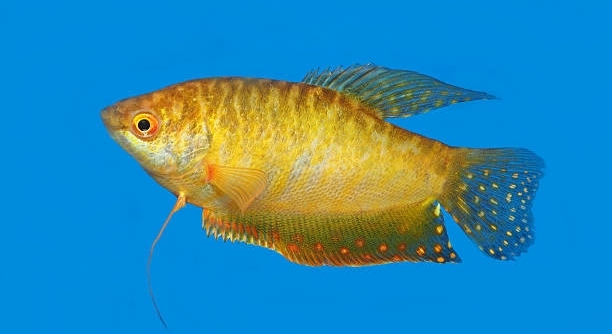
Gouramis are known for their unique courtship behaviors, which can be fascinating to observe. Understanding these behaviors helps hobbyists recognize signs of mating readiness and better care for their fish during this important period. Courtship is a natural part of gourami reproduction.
During gourami courtship, males typically display vibrant colors and build bubble nests. They engage in specific movements such as flaring fins and circling the female. Observing these behaviors provides clear indicators of reproductive activity and readiness to spawn.
Recognizing these signs supports proper care and successful breeding, enhancing the overall experience of keeping gouramis in home aquariums.
Signs of Male Gourami Courtship Behavior
Male gouramis begin their courtship by intensifying their colors, especially brightening blue, red, or orange tones. This change signals their readiness to attract a female. They also start building bubble nests at the water surface, carefully gathering air bubbles coated with saliva. This nest serves as a safe place for fertilized eggs. During courtship, males exhibit specific swimming patterns, including flaring their fins and circling the female repeatedly. These movements help to engage the female and demonstrate their fitness as a mate. Sometimes, males may become territorial, guarding their nest aggressively from other fish. Observing these behaviors provides clear signs that the male is preparing for reproduction. The bubble nest’s size and quality can also indicate how serious the male is about mating.
The bubble nest is vital for egg protection and hatching success. Males invest significant energy into its construction and defense.
Female gouramis respond by showing less vibrant colors and allowing the male’s advances when ready. They often approach the nest area cautiously. Once spawning begins, the male wraps around the female to fertilize the eggs, then places them carefully into the bubble nest. After fertilization, the male usually guards the nest, keeping it intact and safe from potential threats until the fry hatch. Monitoring both male and female behaviors during this time is important for successful breeding and ensuring the health of the fish. Understanding these interactions can improve care and increase the chances of fry survival.
Female Gourami Behavior During Courtship
Female gouramis generally show less vibrant colors than males during courtship. Their main role is to respond to the male’s advances. They often swim near the bubble nest but remain cautious.
Female receptiveness is shown through calm behavior and acceptance of the male’s circling. If uninterested, females may swim away quickly or hide. During spawning, the female releases eggs which the male fertilizes immediately. The interaction between both fish signals the progression of courtship. It is essential to provide a stress-free environment to allow natural behaviors. Maintaining good water quality, avoiding overcrowding, and limiting sudden movements around the tank help the gouramis feel secure. Proper nutrition and stable conditions support healthy breeding behavior. Observing female responses helps determine the best timing for spawning and when to prepare for fry care. This balance between male and female actions is key to successful reproduction.
Preparing the Aquarium for Courtship
Creating a suitable environment is essential for gourami courtship. The tank should have calm water, plenty of floating plants, and a stable temperature between 75°F and 80°F. These conditions encourage natural behavior and reduce stress during breeding.
Floating plants provide shelter and support for the bubble nest. They help stabilize water surface movement, which is important for nest construction. Removing strong water currents allows males to build and maintain nests more easily. Maintaining clean water through regular partial changes keeps the environment healthy. Avoid introducing new fish or aggressive species to prevent stress or injury during this sensitive period.
Lighting should be moderate to mimic natural daylight without stressing the fish. Dimmer lights help the male feel secure while displaying colors more vividly. Providing a quiet space near the aquarium reduces external disturbances that might interrupt courtship behaviors. This preparation increases the likelihood of successful breeding and healthy fry development.
Observing and Supporting the Courtship Process
Careful observation during courtship helps ensure the well-being of both fish. Watch for signs of aggression or stress, such as chasing beyond normal territorial displays or damaged fins. Intervene if behaviors become too intense.
Supporting courtship means maintaining stable water conditions and feeding high-quality food to both fish. Protein-rich diets improve energy and reproductive success. Remove uneaten food to keep water quality high. Avoid sudden changes in temperature or lighting that could disrupt the breeding cycle. Providing hiding spots allows the female to retreat if needed, reducing stress and encouraging participation.
If spawning occurs, the male’s role in guarding the nest is critical. Monitor the nest for damage or signs of fungal growth on the eggs, which may require careful treatment. Maintaining a peaceful tank environment after spawning supports fry survival and overall fish health during this important phase.
Recognizing Nest Building Activity
Nest building is one of the first clear signs of gourami courtship. Males gather air bubbles coated with saliva to form a floating structure. This nest provides protection for eggs and developing fry.
The quality of the bubble nest reflects the male’s health and readiness. A well-constructed nest is dense, stable, and anchored to plants or tank surfaces.
Key Physical Changes During Courtship
Males exhibit brighter, more intense coloration, especially around the fins and body. This color change signals their fitness and attracts females. Fins become more extended and vibrant. In contrast, females maintain duller colors to avoid drawing attention during spawning.
These physical changes are temporary and directly linked to breeding readiness. Observing these shifts helps in identifying when courtship is at its peak.
Monitoring Aggressive Behavior
Aggression increases during courtship, mostly from males defending nests. This behavior can include chasing and fin flaring. It is normal but should be watched closely to prevent injury.
Managing aggression ensures a safe environment for both gouramis and improves breeding success.
What should I do if the male gourami becomes too aggressive during courtship?
Male gouramis naturally become territorial and protective of their bubble nests. Mild chasing and fin flaring are common behaviors during this time. However, if aggression leads to constant chasing, injuries, or stress for the female, separating the pair temporarily may be necessary. Providing plenty of hiding spots with plants or decorations can help reduce conflict. Keeping the tank environment calm and avoiding sudden movements near the tank also lessens aggressive displays. Monitoring the situation closely ensures that aggression stays within natural limits without harming either fish.
How can I tell if the female gourami is ready to spawn?
The female’s behavior and appearance signal spawning readiness. She will swim calmly near the male’s bubble nest and display less vibrant colors than the male. The female may allow the male to circle her without fleeing. Sometimes, a visible swelling of the abdomen occurs as eggs develop. If she consistently approaches the nest area and interacts with the male without signs of stress, spawning is likely imminent. A receptive female will actively participate in the spawning embrace where eggs are released and fertilized.
Why is the male gourami building a bubble nest?
Bubble nest building is an instinctive behavior indicating the male’s readiness to reproduce. The nest protects fertilized eggs from predators and keeps them oxygenated by floating at the water surface. Males gather air bubbles coated with saliva to form a sticky, stable cluster. The nest also serves as a visual signal to females that the male is prepared for spawning. A strong, well-maintained bubble nest improves egg survival rates by providing shelter and support during incubation.
What should I feed my gouramis during the breeding period?
Feeding high-quality, protein-rich foods supports reproductive health and energy needs during courtship. Live or frozen foods such as brine shrimp, daphnia, and bloodworms are excellent options. These foods promote vibrant coloration and increase vitality. In addition, a balanced pellet or flake diet should be maintained to provide essential nutrients. Feeding small portions multiple times a day encourages healthy digestion and reduces waste in the tank. Avoid overfeeding to maintain water quality, which is crucial during breeding.
How long does gourami courtship and spawning usually last?
Courtship behaviors can last several days to a week before actual spawning occurs. The male continuously builds and repairs the bubble nest while displaying vibrant colors and courting the female. Spawning itself is relatively quick, often lasting a few hours. After fertilization, the male guards the nest for up to five days until the eggs hatch. During this incubation period, the male maintains the nest’s integrity and removes damaged eggs to protect healthy embryos.
Can other fish in the tank affect gourami courtship?
Yes, the presence of other fish can interfere with courtship behaviors. Active or aggressive tank mates may stress gouramis, causing them to abandon nests or reduce breeding activity. Smaller, peaceful species are preferable companions during breeding to minimize disturbance. In some cases, separating the breeding pair into a dedicated tank improves success rates. It allows focused care, easier monitoring, and reduces competition for resources. Keeping the environment calm and stable supports natural courtship and spawning.
What happens after the eggs hatch?
Once the eggs hatch, the fry remain in the bubble nest for several days as they absorb their yolk sacs. During this time, the male continues to guard the nest and keep it intact. After the fry become free-swimming, it is often best to remove the male or transfer the fry to a separate rearing tank. This prevents accidental predation by the male or other fish. Fry require frequent feeding with infusoria or specially prepared fry food for proper growth during the early stages.
How do I maintain water quality during gourami breeding?
Maintaining clean, stable water conditions is critical during breeding. Frequent partial water changes (around 20-30% every few days) help remove waste and prevent harmful ammonia buildup. Avoid strong water currents that can damage bubble nests. Use a gentle filter or sponge filter to preserve water clarity without disturbing the nest. Regularly test water parameters, keeping pH near neutral (6.5–7.5), temperature stable, and ammonia and nitrites at zero. Good water quality supports fish health and increases the chances of successful breeding.
Is it normal for the male to chase the female after spawning?
Some chasing and mild aggression from the male toward the female after spawning is normal. This behavior helps the male protect the nest and reduce disturbance. However, if chasing becomes overly aggressive, causing stress or injury, it is advisable to separate them temporarily. Providing hiding places and gentle handling minimizes harm. In a healthy breeding environment, both fish usually adjust quickly, allowing the male to focus on nest care and the female to recover.
How can I increase the chances of successful gourami breeding?
To improve breeding success, ensure the tank environment mimics natural conditions with stable temperature, calm water, and adequate cover. Feed both fish a nutritious diet rich in live or frozen foods to boost health and coloration. Observe behavior closely to time spawning accurately. Avoid overcrowding or introducing aggressive species. Keep water quality high with regular maintenance. Providing proper space for nest building and minimizing stress helps gouramis display natural courtship and increases the likelihood of producing healthy fry.
Understanding gourami courtship can improve your experience as a fish keeper and increase the chances of successful breeding. Observing the key behaviors, such as nest building, color changes, and mating dances, helps identify when the fish are ready to spawn. Providing the right environment, including calm water, floating plants, and stable temperatures, supports natural courtship activity. These conditions reduce stress and encourage both the male and female gourami to engage in their reproductive behaviors more confidently.
Maintaining good water quality and feeding a nutritious diet are essential throughout the courtship and breeding period. Protein-rich foods support energy levels and vibrant colors, which are important signals during courtship. Regular water changes and gentle filtration keep the tank healthy and protect the delicate bubble nest. Monitoring aggression and ensuring the female has places to hide can prevent injuries and stress. This care creates a safer environment for both gouramis and increases the likelihood that the eggs and fry will survive.
Successful gourami breeding requires patience and attention to detail. The male’s role in nest building and guarding is vital, but it can also involve territorial behavior that needs managing. Understanding these natural instincts helps in creating a balanced environment where both fish can thrive. By carefully preparing the tank, observing behaviors, and maintaining ideal conditions, you support the natural courtship process and give your gouramis the best chance to reproduce and raise healthy offspring. This knowledge adds depth to the care routine and makes the breeding experience more rewarding.

Hello,
If you enjoy the content that we create, please consider saying a "Thank You!" by leaving a tip.
Every little bit helps us continue crafting quality advice that supports the health, happiness, and well-being of pets around the world, for pets of all shapes, sizes, and species.
We really appreciate the kindness and support that you show us!