
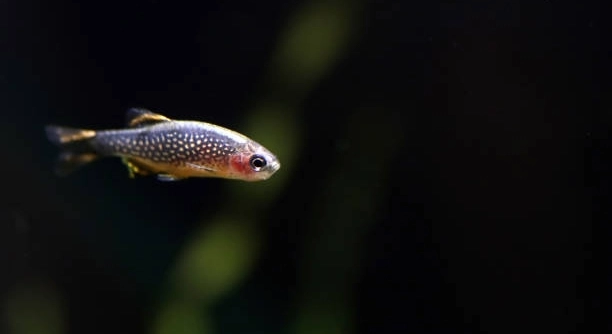
Raising danio fry can be exciting yet challenging for new aquarists. Their tiny size and delicate nature require careful attention, especially when it comes to feeding. Early nutrition plays a key role in healthy growth and survival.
At seven days old, danio fry should be fed infusoria or specialized liquid fry food. These tiny, easily digestible options provide essential nutrients, supporting early development and ensuring higher survival rates in their first critical week of life.
Feeding these little fry correctly can set the stage for strong growth. The following tips will help make their early days safe and nourishing.
Choosing the Right Food for 7-Day-Old Danio Fry
At seven days, danio fry are still very small and require food they can easily digest. Infusoria, which are tiny aquatic microorganisms, are perfect at this stage. They move slowly, making it easy for fry to catch and consume. Another option is commercially available liquid fry food designed for small tropical fish. These foods contain proteins, vitamins, and minerals essential for early growth. Feeding too large or solid food can cause choking or poor digestion, which can stunt their growth or even lead to death. It is important to provide fresh portions daily and avoid overfeeding, as leftover food can quickly pollute the water. Clean water and proper nutrition together ensure fry remain healthy. Many aquarists notice better survival rates when they focus on feeding small, frequent meals. Early care at this stage sets a strong foundation for the fry’s later development and activity levels.
Infusoria and liquid fry food are ideal for 7-day-old danio fry, ensuring proper nutrition and reducing early mortality risks.
Providing the right food at this stage makes a noticeable difference in the fry’s growth. Regular observation helps in adjusting feeding amounts, ensuring each fry gets enough nutrition without overloading the tank.
Feeding Schedule and Frequency
Small, frequent feedings are essential for healthy fry growth. At this stage, feed them multiple times a day in tiny portions to ensure all fry have access.
A proper feeding schedule helps fry develop strong digestive systems and promotes steady growth. Feeding every two to three hours during the day keeps their energy levels stable. Observing how quickly the fry consume the food can guide portion sizes. If food remains after a few minutes, it is better to remove it to prevent water contamination. Gradually, as fry grow, portions can increase slightly, and feeding intervals can be extended. Maintaining a consistent routine reduces stress and improves overall survival rates. Fresh, clean water is critical, as any leftover food can cause rapid deterioration of water quality. By combining the right food type with a disciplined schedule, the fry can thrive, develop faster, and show healthy activity patterns in the tank. Adjusting the routine based on the fry’s response ensures they remain robust and energetic throughout this delicate stage of life.
Preparing the Tank for Feeding
Ensure the tank water is clean and free from debris before feeding. Fry are sensitive, and even small amounts of leftover food can harm water quality.
Maintaining a stable environment is crucial. Perform small water changes daily, ideally using water treated to remove chlorine and harmful chemicals. Keep the temperature steady, as fluctuations can stress fry and reduce their appetite. Use a gentle filtration system or sponge filter to avoid sucking in the fry. Position decorations and plants carefully, giving fry areas to explore but preventing food from settling in hard-to-reach corners. Monitoring water parameters like ammonia, nitrite, and pH ensures conditions remain safe, supporting both feeding efficiency and overall health.
Feeding in a prepared tank also allows observation of fry behavior. You can see how actively they are eating and identify any weak or struggling fry. This routine makes adjustments easier, whether changing food types or portion sizes. A clean, calm tank encourages healthy growth and reduces the risk of disease or stress among the tiny fish.
Introducing New Foods Gradually
New food should be introduced slowly to prevent digestive issues. Sudden changes can upset fry stomachs and lead to poor growth.
Start by mixing a small amount of new food with their usual infusoria or liquid fry food. Observe how the fry react over several feedings. If they readily accept it, gradually increase the proportion until the transition is complete. Keep portions small to avoid overfeeding, which can cause water contamination and harm the fry. Introduce one new food at a time to better track reactions and growth progress. Patience and careful monitoring help ensure fry adapt without stress or nutritional gaps.
Some good options for transitioning include finely crushed high-quality flake food or specially formulated micro-pellets. These foods provide proteins and nutrients that support continued growth as fry develop. Timing is important: introducing new foods too early may overwhelm their tiny digestive systems, while waiting too long can delay adaptation. Observe eating patterns, note any leftover food, and adjust feeding frequency accordingly. By slowly incorporating new foods, fry can develop stronger appetites and more diverse dietary habits, improving long-term health and growth potential.
Monitoring Fry Health
Watch fry closely for signs of illness or stress. Changes in swimming patterns, lethargy, or refusal to eat can indicate problems.
Healthy fry are active and feed eagerly. Any fry that appear weak should be separated temporarily to prevent competition and ensure proper nutrition.
Cleaning Up After Feeding
Remove uneaten food promptly to maintain water quality. Even tiny amounts can quickly pollute the tank and harm fry health.
Regularly check for food particles in corners or under decorations. Use a small siphon or net to carefully remove debris without disturbing fry. Consistent cleaning prevents ammonia spikes, reduces stress, and supports steady growth during these delicate early days.
Adjusting Feeding as Fry Grow
Increase food portion sizes gradually as fry get bigger. Their appetite grows quickly, requiring more frequent or slightly larger feedings.
Keeping a Feeding Log
Record what foods were offered, how much was eaten, and any notable behaviors. This helps track growth and spot early issues before they become serious.
FAQ
What is the best food for 7-day-old danio fry?
At seven days, the best food is tiny, easily digestible options. Infusoria and liquid fry food are ideal because they move slowly and provide essential nutrients. They are small enough for the fry to consume without choking and support steady growth.
How often should I feed my fry?
Fry need small, frequent feedings throughout the day. Feeding every two to three hours ensures they get enough nutrition. Observing how quickly they eat helps determine the right portion size. Overfeeding can pollute the water, while underfeeding can slow growth.
Can I feed crushed flake food to 7-day-old fry?
Crushed flake food can be introduced gradually, but it should be very finely powdered. Start with a small mix with infusoria or liquid fry food and watch how the fry respond. This prevents digestive issues and helps them adjust slowly.
How do I know if fry are eating enough?
Active, healthy fry that swim energetically and chase food are usually getting enough nutrition. If food remains uneaten after a few minutes, portions may be too large. Weak or slow fry might need extra attention or slightly smaller groups for feeding.
Is it necessary to change the water after every feeding?
Not after every feeding, but daily small water changes are recommended. Fry are sensitive, and leftover food quickly pollutes the water. Clean water keeps fry healthy and reduces the risk of stress and disease.
When can I start giving them larger food?
As fry grow, usually after two to three weeks, they can handle slightly larger foods like finely crushed micro-pellets or specialized fry flakes. Gradually increasing food size helps avoid digestive problems while promoting steady growth.
Should I separate weaker fry during feeding?
Separating weaker fry temporarily can help ensure they get enough food. Competition in groups can cause the smallest fry to starve or grow more slowly. Once they strengthen, they can return to the main tank safely.
Can overfeeding harm fry?
Yes, overfeeding is dangerous. Uneaten food decomposes, raising ammonia levels and stressing fry. High waste can lead to illness or death. Feeding small portions multiple times a day is safer than giving large amounts at once.
What signs indicate fry are stressed?
Signs include erratic swimming, lethargy, hiding constantly, or refusing food. Stress can result from poor water quality, overcrowding, or sudden changes in temperature. Maintaining stable conditions and careful feeding reduces stress and improves survival.
How long does it take for fry to grow strong?
Growth depends on proper feeding and tank care. With consistent nutrition and clean water, fry begin to grow noticeably within the first two to three weeks. Active behavior and healthy coloration indicate good development.
Can I feed live food to fry?
Yes, live foods like microworms or baby brine shrimp are excellent for growing fry. They stimulate natural hunting instincts and provide high protein. Introduce live food gradually and ensure it is small enough for the fry to consume easily.
How do I prevent water contamination during feeding?
Feed in small amounts, remove leftovers quickly, and perform daily small water changes. Avoid overfeeding and monitor water parameters regularly. Keeping a clean tank reduces stress and supports healthy growth for all fry.
Is it okay to mix different foods for fry?
Yes, mixing infusoria with liquid fry food or finely powdered flakes provides variety and balanced nutrition. Introduce new foods gradually to avoid digestive issues and observe how the fry respond before increasing portions.
How do I track fry growth effectively?
Keeping a feeding log with the types of food, portions, and fry behavior helps monitor growth. Notes on water changes, temperature, and any problems also make it easier to adjust care routines and prevent issues before they become serious.
When should I start weaning fry from infusoria?
Gradually begin weaning around two weeks of age. Introduce slightly larger foods like powdered flakes or micro-pellets while still providing infusoria. Slowly increasing the new food helps fry adapt and ensures they continue to get proper nutrition.
How important is tank temperature for feeding?
Temperature is very important. Fry are sensitive, and sudden changes can stress them and reduce feeding activity. Keep water at a stable, species-appropriate temperature to ensure proper digestion and healthy growth.
Can fry survive on just one type of food?
Relying on a single food can limit nutrients. A mix of infusoria, liquid fry food, and gradually introduced powdered or live foods provides a more balanced diet. This approach improves survival rates and supports faster, healthier growth.
What should I do if some fry are not eating?
Observe them carefully. Some fry may need smaller portions or a separate area to feed. Check water quality, as poor conditions can reduce appetite. Patience and careful monitoring usually help these fry catch up in growth.
How do I know when fry are ready for adult food?
Fry are ready when they can easily eat crushed flakes, micro-pellets, or small live foods. By this stage, usually after three to four weeks, they should be larger, active, and able to digest more complex foods without issue.
How does water quality affect feeding?
Poor water quality can reduce appetite, stress fry, and lead to illness. Keeping ammonia and nitrite levels low, along with regular water changes, ensures fry eat well and grow steadily. Clean water is as important as proper food.
What are the most common feeding mistakes?
Overfeeding, sudden food changes, and ignoring water quality are the most common mistakes. Feeding too much or too large food can harm fry, while inconsistent schedules or unclean tanks reduce survival rates. Careful observation prevents these issues and supports healthy development.
How can I encourage shy or slow fry to eat?
Provide food in small portions near areas where fry gather. Reduce competition from more active fry and ensure the tank environment is calm. Gentle feeding and careful monitoring help shy fry get the nutrition they need without stress.
When should I consult a professional about fry feeding?
If fry consistently refuse food, show signs of illness, or have poor growth despite proper feeding and water care, consulting an experienced aquarist or veterinarian is recommended. Early intervention increases survival chances and prevents long-term problems.
Raising 7-day-old danio fry is a careful process that requires attention to detail and consistency. Their tiny size makes them delicate, and early nutrition is a major factor in determining how well they grow. Providing the right food at this stage, like infusoria or specialized liquid fry food, ensures that they get essential nutrients without overwhelming their small digestive systems. Feeding small, frequent portions allows all fry to eat evenly and helps prevent leftover food from polluting the water. Observing how they respond to different foods and adjusting portions accordingly is part of the process, and it often leads to noticeable improvements in growth and activity within the first week. A clean and stable environment, combined with proper feeding, sets the stage for healthy fry development and reduces the risk of stress or illness.
As the fry continue to grow, it becomes important to gradually introduce new foods while maintaining the basics. Crushed flakes, micro-pellets, and small live foods can provide additional protein and nutrients that support their development. Transitioning too quickly to new foods can upset their digestion, so mixing small amounts of new food with the familiar options helps them adapt without stress. Feeding routines should remain consistent, with frequent small meals rather than one or two large feedings. Monitoring their behavior is essential, as fry that appear weak or struggle to compete may need temporary separation or adjusted feeding strategies. Keeping a log of food types, portion sizes, and fry behavior helps track growth and identify potential problems early. By combining careful observation with incremental changes, it is possible to guide fry toward healthy growth patterns that will support their later development into strong adult fish.
Water quality, tank preparation, and cleanliness are just as important as the food itself. Uneaten food, debris, or fluctuations in temperature can stress fry and limit their growth, so daily attention to tank conditions is necessary. Gentle filtration, stable temperatures, and small water changes help maintain a safe environment where fry can feed and grow without risk. Feeding time also offers an opportunity to observe fry closely and ensure all individuals are active and eating properly. By prioritizing proper food, portion control, and a clean environment, it is possible to support healthy growth, reduce mortality rates, and create conditions where fry thrive naturally. Consistency, patience, and careful monitoring are key elements that will help these tiny fish develop into strong, healthy adults over the following weeks.

Hello,
If you enjoy the content that we create, please consider saying a "Thank You!" by leaving a tip.
Every little bit helps us continue crafting quality advice that supports the health, happiness, and well-being of pets around the world, for pets of all shapes, sizes, and species.
We really appreciate the kindness and support that you show us!