
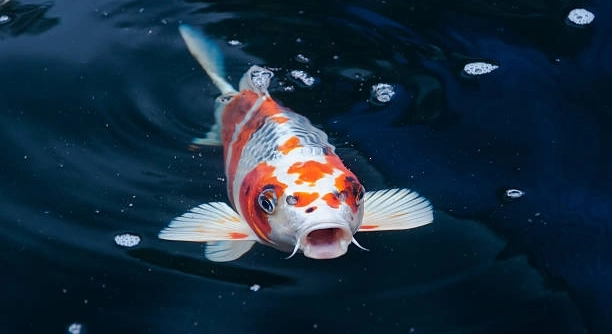
Koi fish are fascinating creatures, especially when they start to reproduce. Watching them lay eggs can be an interesting experience for any pond owner. Understanding what to expect helps you prepare for this natural event in your garden.
When koi fish lay eggs, the female releases thousands of sticky eggs onto plants or other surfaces. The male then fertilizes these eggs externally. This process usually occurs in early spring, and the eggs hatch in about a week under suitable conditions.
Knowing the details of koi spawning can help you support the health of both the parents and their offspring throughout the process.
How Koi Fish Prepare for Spawning
Before koi fish lay eggs, they go through a clear preparation phase. In early spring, as water temperatures rise to about 65–75°F (18–24°C), koi become more active. The males chase females around the pond, nudging them gently to encourage egg release. Females develop swollen bellies as their eggs mature. It’s common to see koi rubbing against plants or rough surfaces, which helps loosen the eggs for laying. Good water quality and plenty of plants or spawning brushes provide ideal spots for egg attachment. This preparation is crucial for a successful spawn, as koi need the right environment to reproduce. Watching this behavior gives you clues about when to expect eggs soon.
Spawning typically happens early in the morning and lasts a few hours. The activity can seem intense but is a natural, important part of koi life.
Keeping your pond clean and maintaining stable water conditions supports healthy koi during this time and helps protect the delicate eggs once laid.
Caring for Koi Eggs After Spawning
Once eggs are laid and fertilized, they stick to plants or spawning mats. These eggs need careful attention because they are fragile and can easily be damaged by strong water currents or predators. It’s important to reduce water flow around the spawning area to prevent eggs from being washed away. Removing adult koi from the breeding tank can also stop them from eating the eggs. In a home pond, using fine mesh netting over plants helps protect eggs from birds and other animals. Maintaining clean water prevents fungal growth, which can harm or kill the eggs. Monitoring temperature and water quality daily supports healthy development. Proper care during this stage increases the chances of many eggs hatching into healthy fry. Taking these precautions early on helps ensure that your koi population thrives in the long run.
Signs That Koi Eggs Are Ready to Hatch
Koi eggs usually take about 4 to 7 days to hatch, depending on water temperature. As hatching nears, the eggs change from clear to cloudy or milky white. Small dark spots may appear inside, showing developing embryos.
The eggs swell slightly and sometimes develop tiny movements just before hatching. If the water is cooler, hatching may take longer. It’s important to keep the water clean during this time to avoid fungal infections. Any dead or unfertilized eggs should be removed quickly to protect the healthy ones. Once hatched, the fry will remain attached to the egg sac for a few days, absorbing nutrients before swimming freely.
Watching this phase can be exciting, but it requires patience. Providing a calm, safe environment ensures the best start for your koi fry.
Feeding and Caring for Koi Fry
Newly hatched koi fry survive on their yolk sacs for about 3 to 5 days, which provides all the nutrients they need initially. After this, feeding must begin carefully with tiny, soft foods like infusoria or specially prepared fry food to support their growth. Overfeeding can pollute the water quickly, so small amounts are best.
Clean water is critical since fry are sensitive to poor conditions. Frequent gentle water changes help maintain quality without stressing the young fish. As fry grow, gradually introduce larger foods and provide plenty of hiding places to protect them from stronger tank mates or older koi. Proper care in these early weeks greatly improves survival rates and helps develop strong, healthy koi for the future.
Common Challenges When Raising Koi Fry
Koi fry are delicate and face several challenges early on. Poor water quality, overcrowding, and inadequate food can lead to high mortality rates. Keeping a clean, well-maintained environment is essential for their survival.
Disease can spread quickly in crowded conditions. Regular monitoring and prompt action help prevent major problems. Patience and careful attention make all the difference in raising healthy koi.
Understanding Fry Growth Stages
Koi fry grow rapidly during their first few months. Initially, they rely on yolk sacs, then start feeding actively on small particles. Within weeks, they develop recognizable patterns and colors. Growth slows down as they approach six months, requiring more space and better nutrition. Regular water changes and proper feeding schedules support steady development. Knowing these stages helps manage their care effectively.
When to Move Fry to a Larger Pond
Once fry reach around 2 to 3 inches, they need more space. Moving them to a larger pond reduces stress and promotes healthier growth. This usually happens after 2 to 3 months. Ensure the new environment is safe and free from predators to protect the young koi.
FAQ
How long do koi eggs take to hatch?
Koi eggs usually hatch in about 4 to 7 days. The exact time depends on water temperature—warmer water speeds up hatching, while cooler water slows it down. Keeping the temperature steady between 65–75°F (18–24°C) is ideal for healthy development.
What do koi eggs look like?
Freshly laid koi eggs are small, round, and sticky, usually pale yellow or orange. Over time, they turn cloudy, and dark spots appear inside as embryos grow. Unfertilized eggs remain clear or white and should be removed to prevent fungus.
Can koi eat their own eggs?
Yes, adult koi may eat their eggs or fry if left together. Removing adult fish after spawning or isolating the eggs helps protect them from being eaten.
How do I protect koi eggs from fungus?
Good water quality is key to preventing fungus. Regularly remove dead or unfertilized eggs and keep the water clean with gentle filtration. Some breeders use antifungal treatments like methylene blue, but maintaining stable water conditions is the best prevention.
What should I feed koi fry after hatching?
For the first few days, koi fry live off their yolk sacs. Once these are absorbed, feed them tiny foods like infusoria or specially made fry food. As they grow, you can switch to crushed flakes or small pellets. Avoid overfeeding to keep water clean.
How often should I change water for koi fry?
Frequent water changes are important but should be gentle to avoid stressing fry. Changing about 10–20% of the water every day or every other day helps maintain cleanliness without disturbing the fry too much.
When can koi fry swim freely?
Fry typically start swimming freely about 5 to 7 days after hatching once they absorb their yolk sacs. At this point, they begin feeding and exploring their environment more actively.
How do I know if koi eggs are fertilized?
Fertilized eggs show development signs such as dark spots (eyes) inside and a cloudy appearance. Unfertilized eggs stay clear or white and do not develop embryos. Removing unfertilized eggs helps keep the batch healthy.
Is it necessary to have spawning mats or plants?
Spawning mats or dense plants give koi a place to lay sticky eggs. These surfaces protect eggs from washing away and provide better chances for survival. If your pond lacks plants, spawning mats are a helpful alternative.
Can koi spawn multiple times in a season?
Yes, koi can spawn several times during the warmer months if conditions are right. Spawning depends on water temperature, nutrition, and fish health. However, frequent spawning can stress koi, so it’s important to monitor their condition.
What temperature is best for koi spawning?
Water temperatures between 65°F and 75°F (18°C to 24°C) encourage spawning. Koi become more active and ready to reproduce once the temperature reaches this range in spring or early summer.
How can I tell when koi are ready to spawn?
Males chase females around the pond and nudge them to release eggs. Females look swollen with eggs, and you may notice rubbing behaviors on plants or rough surfaces. These are clear signs spawning will happen soon.
Can koi eggs survive in a pond with other fish?
It’s risky because other fish often eat eggs and fry. Isolating eggs or fry in a separate tank or protected area increases survival rates. If left unprotected, many eggs may not survive.
How do I care for koi fry after moving them to a bigger pond?
Provide plenty of hiding spots and shade to protect young koi from predators and harsh sunlight. Maintain clean water and feed small amounts of appropriate food regularly. Watch for signs of illness or stress.
What is the survival rate of koi eggs and fry?
Survival rates vary widely depending on care, water quality, and protection from predators. With good conditions and proper attention, many eggs can hatch, but only a portion of fry typically reach maturity.
These FAQs cover key points about koi spawning and fry care to help ensure a successful and rewarding experience.
Final thoughts about koi fish laying eggs focus on understanding and patience. Watching koi spawn can be interesting, but it also requires attention to detail and proper care. The process from egg-laying to fry growing into healthy fish takes time and careful observation. Knowing what to expect helps pond owners provide the best environment for their koi during this natural cycle. Stable water temperature, clean water, and a safe place for eggs to develop are key factors in successful spawning.
It is important to remember that koi eggs and fry are very delicate. Eggs need protection from strong water currents and predators. Fry require clean water, proper feeding, and enough space to grow. Sometimes, not all eggs will hatch or fry will not survive. This is normal and part of the natural process. By giving attention to their needs and maintaining good pond conditions, you increase the chances of healthy koi growing up strong. Keeping a watchful eye and making small adjustments in care will support their development.
Caring for koi from egg to adulthood takes time, but it can be very rewarding. Seeing tiny eggs hatch and grow into colorful fish is a sign of good care and a healthy pond. It helps to plan ahead and prepare the pond environment before spawning starts. Simple steps like adding spawning plants or mats, monitoring water quality, and feeding fry properly make a big difference. With patience and consistent effort, koi owners can enjoy watching their fish thrive through each stage of life. This natural cycle adds a special value to any pond or garden setting.

Hello,
If you enjoy the content that we create, please consider saying a "Thank You!" by leaving a tip.
Every little bit helps us continue crafting quality advice that supports the health, happiness, and well-being of pets around the world, for pets of all shapes, sizes, and species.
We really appreciate the kindness and support that you show us!