
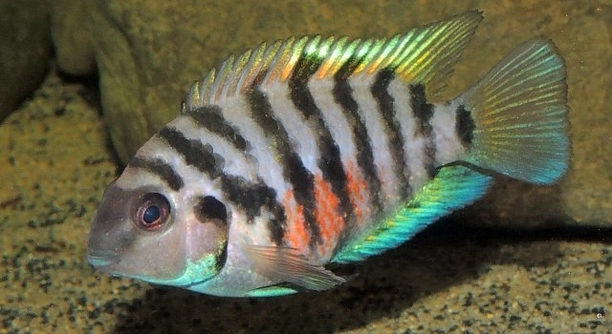
Are your cichlids acting differently, guarding corners, or suddenly cleaning rocks in their tank? You might be witnessing their first spawning behavior. This moment is exciting but can also come with surprises for new fish keepers.
When cichlids spawn for the first time, you can expect territorial behavior, aggression, pairing off, and egg-laying or mouthbrooding depending on the species. These actions are normal and signal the start of their natural breeding cycle.
From understanding parental roles to managing tank dynamics, knowing what happens next will help you support your fish during this important stage.
Early Signs of Spawning Behavior
Cichlids begin showing signs of spawning through changes in their behavior. You may notice them becoming more territorial, especially around flat rocks, caves, or corners of the tank. Some species clean surfaces where they plan to lay eggs, while others start mouthbrooding. They often chase away other fish and dig pits in the substrate. These actions are normal and signal that spawning is near. If you have a bonded pair, they might stick closely together and become more active. It’s important to give them space and avoid rearranging the tank, as changes can interrupt the process or increase aggression.
Once the pair is ready, you may notice one laying eggs while the other fertilizes them. In mouthbrooding species, the female will scoop the eggs into her mouth after laying. Either way, this stage requires stability and low stress for a successful outcome. Watching quietly helps them feel more secure.
A small increase in aggression is expected, but extreme fighting can be dangerous. Separate aggressive fish if needed to keep everyone safe.
Keeping the tank clean and maintaining stable water conditions supports healthy spawning. It also lowers the chances of disease or egg fungus, both of which can interrupt the process.
After the Eggs Are Laid
Cichlid parents become protective after the eggs are laid. You’ll likely see them guarding the area and fanning the eggs to keep them oxygenated.
Depending on the species, the eggs may hatch in a few days. During this time, avoid making changes to the tank. Some cichlids keep the fry in their mouths until they are ready to swim freely, while others watch over the fry closely. You might also see them move the fry into pits they’ve dug. Aggression can increase during this stage, even towards tank mates they used to ignore. If the tank is shared with other fish, consider a divider or temporary tank to prevent injuries. It’s also important to avoid overfeeding, which can cause water quality issues. Light feeding with high-quality food keeps both the parents and fry healthy. Once the fry start swimming freely, you can begin feeding them finely crushed flakes or specially prepared fry food. Watching them grow can be rewarding with the right care.
Caring for the Fry
Once the fry become free-swimming, you’ll need to start feeding them small portions several times a day. Crushed flakes, baby brine shrimp, or specialized fry food work well. Keep their environment calm and clean to support their early development and reduce stress.
Frequent water changes help keep ammonia and nitrite levels low, which is important for their survival. Use a sponge filter or cover your existing filter intake with mesh to avoid sucking up the tiny fry. If the parents are still in the tank, watch their behavior. Some cichlids continue to care for their fry, while others may lose interest. If you notice the adults becoming aggressive or trying to eat the fry, it’s best to move the young ones to a separate tank or breeder box. Maintaining a consistent feeding schedule and observing their activity can help you spot any issues early and improve their chances of survival.
Make sure the tank isn’t overcrowded. Over time, fry will grow and need more space. Too many fish in a small area can lead to stress and stunted growth. If you plan to keep all the offspring, be prepared to upgrade your tank or rehome some of them. Planning ahead makes things easier down the line.
Common Challenges to Watch For
Cichlid fry can be sensitive to changes in water quality. Uneaten food and waste build-up quickly, which can lead to poor conditions. Monitoring levels daily helps keep them safe during this fragile stage.
Sibling aggression is another issue that often shows up after a few weeks. As fry grow, some may begin to chase or nip at each other, especially in crowded tanks. Providing plenty of hiding spaces helps reduce this. If aggression continues, separating them by size or moving them to different tanks might be necessary. Illness can also spread fast in a fry tank. Look out for clamped fins, unusual swimming, or white patches. Treat issues quickly but gently, as fry are sensitive to medications. Regular tank maintenance, careful observation, and slow changes are key. With the right setup and steady care, most challenges can be handled before they become serious.
When to Separate the Fry
If the parents show signs of aggression or begin to eat the fry, it’s time to separate them. A breeder box or a small tank with a sponge filter works well for this. Move them gently to avoid injury.
In some cases, separating the fry early allows better control over feeding and water quality. It also prevents overcrowding in the main tank. Keeping them apart from adults can improve survival rates and reduce stress for everyone.
Feeding as They Grow
As fry grow, their diet should change too. Start with finely crushed flakes or powdered fry food, and gradually introduce larger food items like baby brine shrimp or micro pellets. Feeding small amounts multiple times a day helps them grow at a steady pace. Keep an eye on their activity levels and appetite, and remove uneaten food to avoid water issues. Growth rates can vary, so some fry may need longer before transitioning to larger food. Watching closely lets you adjust feedings as needed without overdoing it.
Monitoring Tank Conditions
Check water temperature, ammonia, nitrite, and nitrate levels regularly. Stable, clean water helps fry grow strong and stay healthy. Avoid making sudden changes to prevent stress.
How long does it take for cichlid eggs to hatch?
Most cichlid eggs hatch within 3 to 7 days, depending on the species and water temperature. Warmer water speeds up development, but keep temperatures stable to avoid stressing the eggs. After hatching, the fry usually stay attached to the substrate or in the parent’s mouth for a few days before swimming freely.
What should I do if the parents start eating their eggs or fry?
It’s common for first-time cichlid parents to accidentally eat some eggs or fry. If you notice this behavior, carefully move the eggs or fry to a separate tank or breeder box. Providing hiding places and reducing tank disturbances can help lower aggression and improve survival chances.
Can I keep other fish with spawning cichlids?
It’s best to avoid keeping other fish with cichlids during spawning and fry care. Cichlids become highly territorial and aggressive, which can stress other fish and risk harm to the fry. If you want to keep tank mates, separate them during this period or use a tank divider.
How often should I feed the fry?
Feed fry small amounts 3 to 5 times a day. Use finely crushed flakes, powdered food, or baby brine shrimp to match their small mouths. Frequent feeding supports healthy growth but be careful not to overfeed, as leftover food can harm water quality.
When can I introduce fry to the main tank?
Wait until the fry are large enough to avoid being eaten by adult fish. This usually happens around 4 to 6 weeks after they start swimming freely. Gradually acclimate them to the main tank to reduce stress and improve their chances of adapting.
What water conditions are best for spawning cichlids?
Stable water parameters are crucial. Keep temperature between 75-82°F (24-28°C), pH around 6.5-7.5, and low ammonia and nitrite levels. Frequent water changes and gentle filtration help maintain clean water, which supports healthy eggs and fry development.
How can I tell if the fry are healthy?
Healthy fry are active, swim steadily, and show interest in food. Their bodies should look well-formed with clear eyes and smooth skin. Any signs of lethargy, white spots, or fin damage may indicate illness or poor water quality.
Is it normal for cichlid parents to become aggressive during spawning?
Yes, aggression is typical. Parents protect their eggs and fry by chasing away intruders. While some aggression is expected, extreme fighting or injury should be managed by separating overly aggressive fish.
Can I breed cichlids without a breeding pair?
Successful breeding usually requires a bonded male and female. Random groups can spawn, but the chances are lower and aggression may increase. Selecting a healthy pair improves spawning success and fry survival.
What should I do if the eggs develop fungus?
Fungus can spread quickly and harm the eggs. Use antifungal treatments safe for fish, or carefully remove affected eggs to protect the rest. Keeping water clean and stable helps prevent fungus from developing in the first place.
How long do cichlids care for their fry?
Parental care varies by species. Some mouthbrooders protect fry in their mouths for several weeks, while others guard fry in the tank. Most care ends when fry can swim and feed on their own, usually around 3 to 6 weeks.
Can I use commercial fry food for cichlids?
Yes, commercial fry food made for small tropical fish works well. Choose products with high protein and fine texture suitable for tiny mouths. Fresh live foods like baby brine shrimp can boost growth, but commercial options are a convenient alternative.
What are common problems during cichlid spawning?
Problems include egg fungus, parental aggression, poor water quality, and fry starvation. Monitoring the tank and acting quickly to fix issues helps keep the spawning process smooth and improves fry survival.
How many fry can I expect from a first spawn?
The number varies widely by species and conditions, but a first spawn often produces fewer fry than later ones. Expect anywhere from a few dozen to over a hundred eggs. Not all fry will survive, so focus on providing good care.
Should I feed the parents differently during spawning?
Feeding parents a nutritious diet with high-protein foods supports their energy needs during spawning and fry care. Offer varied foods like live or frozen brine shrimp, bloodworms, and quality flakes or pellets to keep them healthy.
Spawning is a big step for your cichlids, and it shows that your fish are comfortable in their environment. When they spawn for the first time, you will notice changes in their behavior, such as guarding certain spots or cleaning surfaces. These actions are natural and important parts of their breeding cycle. It’s helpful to observe quietly and avoid disturbing them. Providing a calm and stable tank environment allows the parents to focus on caring for their eggs and fry. Remember, patience is key, as some fish may take time to get used to the spawning process and parenting roles.
Taking care of the eggs and fry requires attention to detail. Keeping the water clean and stable is critical for their survival. Frequent water checks and small water changes can prevent harmful build-up of waste. Feeding the fry properly also plays a big role in their growth. Start with tiny food items like crushed flakes or baby brine shrimp and increase the size as they grow. Watch for any signs of illness or aggression, and act quickly if problems appear. Separating fry from aggressive parents or tank mates might be necessary to protect them during this fragile stage. With steady care, the fry have a much better chance to thrive and grow into healthy adult fish.
The first spawning can be a learning experience for both the fish and the keeper. Some challenges are common, like aggression or fungus on eggs, but these can often be managed with good tank maintenance and observation. Over time, you will learn what works best for your specific cichlid species and your tank setup. Breeding cichlids can be rewarding, but it requires patience and attention. Supporting your fish during their first spawn helps build a stronger, healthier community in your aquarium. Taking these steps will give you confidence and make future spawns easier to manage.

Hello,
If you enjoy the content that we create, please consider saying a "Thank You!" by leaving a tip.
Every little bit helps us continue crafting quality advice that supports the health, happiness, and well-being of pets around the world, for pets of all shapes, sizes, and species.
We really appreciate the kindness and support that you show us!