
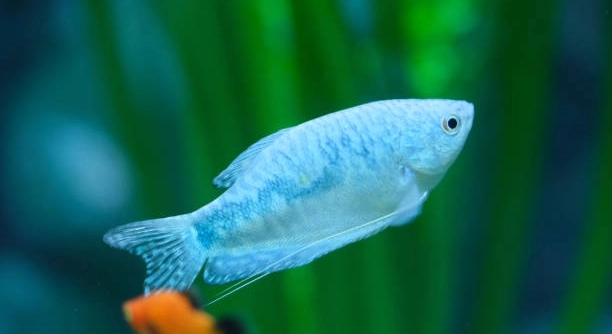
Have you ever found yourself staring at your aquarium, wondering what happens when your gouramis start to spawn?
During gourami spawning, males build bubble nests and become territorial, while females release eggs for the males to fertilize and guard. The process involves courtship behavior, egg fertilization, and parental care until hatching.
This guide will walk you through the key stages, signs to watch for, and how to create the best environment for successful spawning.
Understanding the Gourami Spawning Process
Gourami spawning starts when the male builds a bubble nest at the water’s surface. He uses mouthfuls of air and mucus to create a floating structure where fertilized eggs will stay safe. Once the nest is built, the male begins courting the female by displaying flared fins and swimming in circles. If she’s ready, her color may darken, and she’ll swim near the nest. The two fish then engage in a spawning embrace, during which the female releases eggs. The male quickly gathers the eggs and places them into the bubble nest. This behavior can repeat several times. After spawning, the male guards the nest and chases the female away. It’s best to remove the female at this stage to prevent stress or injury. The male continues to care for the eggs, keeping them safe and repairing the nest when needed until the fry hatch in about 24 to 36 hours.
The male gourami takes on full responsibility for guarding the nest, ensuring the eggs are protected from threats and stay well-oxygenated.
Once the fry hatch, they will remain in the nest for a few days, absorbing their yolk sacs before they start free-swimming. At this point, the male should also be removed. He may see the fry as intruders and react aggressively. During these early days, gentle filtration and steady warmth help the fry thrive. Avoid feeding right away. Wait until the yolk sacs are fully absorbed, then start with infusoria or liquid fry food. This stage is delicate. Keep the water clean and stable. You’ll start noticing movement from the fry as they explore their surroundings. This means they are strong enough to begin feeding and growing on their own. Observing these changes will help you adjust care as needed.
Signs Your Gouramis Are Ready to Spawn
Males become more active and start constructing bubble nests, while females may appear rounder with visible eggs inside their bodies.
You’ll also notice behavior changes. Males can act more territorial and display brighter coloring, especially near the nest area. They may chase other fish away from their space, especially the female if she’s not ready yet. Females, on the other hand, tend to be calmer and may hide more often. If you see them spending time under the bubble nest and interacting without aggression, that’s usually a good sign. Once the female is ready, she’ll join the male under the nest and begin spawning. Watching for these signs helps you understand when to separate or move fish for safety. A breeding tank with soft lighting and a calm environment works best. Having floating plants can also encourage spawning. It gives the male material for nest building and helps the pair feel more secure.
Caring for the Eggs and Fry
The male gourami guards the nest constantly, picking up any falling eggs and placing them back. Avoid disturbing the tank, as sudden changes can cause the male to abandon the nest or eat the eggs.
After hatching, the fry will hang vertically under the nest. They are extremely tiny and fragile at this stage. Avoid feeding them right away—wait until they absorb their yolk sacs completely. This usually takes around three days. Keep the water clean, but avoid strong filtration, which could pull the fry away from the nest. A sponge filter is ideal. Remove the male once the fry start free-swimming, as he may begin to see them as threats. From this point, small feedings multiple times a day will support healthy growth. Infusoria or liquid fry food are best at first, followed by baby brine shrimp as they get larger and stronger.
As the fry grow, their need for space increases. Overcrowding can quickly lead to water quality issues and stunted growth. Regular small water changes help maintain safe conditions. Keep the water temperature stable and slightly warmer than usual—around 80°F works well. Monitor for any signs of fungus or mold on unhatched eggs and remove them if needed. As the fry begin to swim more actively, you’ll notice they start to explore all areas of the tank. This is the time to begin gradually increasing their food portions and introducing finely crushed flakes. Be patient—development happens slowly at first, and each batch grows a little differently. A calm and steady routine helps them thrive.
Common Mistakes to Avoid
Overfeeding the fry can lead to cloudy water, which harms their health and increases the risk of disease. Always feed small amounts and clean up uneaten food carefully.
Another mistake is keeping the male gourami in the tank too long after the fry become free-swimming. Though he cares for the eggs, he may become aggressive once the fry are active. Using filters with strong suction can also endanger fry, as they can get pulled in. Choose sponge filters for gentle flow. Avoid sudden temperature or pH changes, as young fry are very sensitive. Skipping water changes or cleaning too much at once can also cause stress. Balance is important. Watch for signs of poor growth, gasping at the surface, or floating oddly—these may point to problems in the environment. Gentle care, close observation, and steady feeding routines all help avoid setbacks and support healthy development.
When to Feed and What to Use
Start feeding once the fry have absorbed their yolk sacs and begin swimming freely. Use infusoria or liquid fry food for the first few days, keeping feedings light and frequent to avoid clouding the water.
After about a week, slowly introduce freshly hatched baby brine shrimp. This food supports fast growth and is easier for the fry to catch and digest. Feed several times a day in small amounts, removing any uneaten bits promptly.
Separating Fry for Better Growth
As fry grow at different rates, some will outcompete the smaller ones. To give each a fair chance, separate them by size. Use small containers or tanks with gentle filtration. This helps prevent bullying and improves feeding efficiency. Regular observation will let you know when it’s time to move individuals. Grouping fry by size also supports healthier development and reduces stress. Make sure each tank remains clean and warm, and continue feeding appropriately based on the size of the fry. Keeping them in the best possible conditions will help them grow strong and colorful over time.
Watching for Health Issues
Look for signs like floating oddly, lack of movement, or faded color. These may signal stress, illness, or poor water quality.
FAQ
How long does gourami spawning take?
Gourami spawning can last from several hours to a couple of days. The male builds the bubble nest first, which may take a day or so. Actual egg laying and fertilization happen over multiple embraces between the male and female. After spawning, the male guards the nest for about three to four days until the eggs hatch and the fry begin to swim freely.
Do gouramis need special water conditions to spawn?
Yes, gouramis prefer soft, slightly acidic water to encourage spawning. A temperature between 78°F and 82°F is ideal. Stable pH around 6.0 to 7.0 helps too. Adding some floating plants creates a natural environment for bubble nest building. Gentle filtration and minimal water movement also support successful spawning and egg survival.
What should I do if the male eats the eggs?
Sometimes males eat eggs if stressed or if the environment is not suitable. To reduce this, keep the tank quiet and stable during spawning. Make sure water parameters are ideal. If egg-eating continues, you might consider removing the male after spawning is complete to protect the eggs and fry.
Can I keep the male and female gouramis together after spawning?
It’s best to remove the female once spawning ends. The male becomes very territorial and may chase or harm her. After the fry hatch and start swimming freely, remove the male as well. This prevents aggression towards the fry and reduces stress for all fish involved.
How often should I feed gourami fry?
Feed small amounts four to six times a day, especially during the first two weeks. Start with infusoria or liquid fry food, then transition to baby brine shrimp and finely crushed flakes as they grow. Frequent small feedings prevent water pollution and support steady growth.
Why are my gourami fry not growing well?
Poor growth often results from overcrowding, inadequate food, or poor water quality. Overcrowded tanks cause competition and stress. Feeding the wrong type or amount of food limits nutrition. Dirty water affects health and development. Regular water changes, proper feeding, and enough space improve growth rates.
How do I know when the fry are ready to be moved?
Fry are ready to move when they are about half an inch long and swim actively. At this stage, they can handle stronger filtration and are less vulnerable to stress. Grouping them by size helps reduce bullying and improves feeding efficiency. Always acclimate them slowly to new tanks.
What are the common diseases in gourami fry?
Fry can be prone to fungal infections, fin rot, and swim bladder issues. Poor water quality and stress increase risk. White cotton-like patches on eggs or fry indicate fungus, which needs prompt treatment. Maintaining clean water and stable conditions helps prevent most diseases.
Can gouramis spawn without a bubble nest?
Typically, gouramis build bubble nests as part of their spawning behavior. Without a nest, spawning may not occur or eggs may not survive. Providing calm water, floating plants, and proper temperature encourages nest building. If your gouramis aren’t making nests, check water conditions and tank setup.
Is it normal for the male gourami to be aggressive during spawning?
Yes, male gouramis often become aggressive while protecting their nest. They chase away other fish and sometimes the female after spawning. This behavior is natural and necessary for protecting eggs. Be prepared to separate fish to avoid injury during this time.
How can I improve spawning success?
Maintain optimal water parameters, provide plenty of floating plants, and keep the tank quiet and stable. Feeding high-quality food prior to spawning increases the health of breeding fish. Monitor closely for signs of stress or illness and intervene early if needed.
What happens if the eggs fall out of the bubble nest?
The male will usually collect and reposition eggs that fall from the nest. If eggs remain on the substrate, they risk fungal infection or being eaten. Keeping a gentle water current and stable environment helps eggs stay in the nest until hatching.
When do gourami fry start swimming freely?
Fry generally start free swimming three to five days after hatching. Before this, they rely on their yolk sacs for nutrition. Once free swimming, they become more active and need frequent feeding to support growth.
Can I use regular fish food for fry?
Regular adult fish food is too large and not suitable for tiny fry. Use infusoria, liquid fry food, or very finely crushed flakes for the first few weeks. As fry grow, gradually introduce larger food items like baby brine shrimp or finely chopped live foods.
Should I change water during spawning?
Avoid major water changes during spawning to prevent stress. Small, frequent water changes are better to keep water quality high without disturbing the fish. Use dechlorinated water at the same temperature to avoid shocking the fish.
How long before fry look like miniature gouramis?
Fry start developing recognizable features within two to three weeks. Color patterns and fins become clearer as they grow. Full adult coloration takes several months, but you’ll see the basic shape within the first month. Patience and proper care are key during this phase.
Spawning gouramis can be a rewarding experience, but it requires patience and careful attention. Understanding the basic behaviors and needs of these fish during spawning helps ensure success. From the male building a bubble nest to the female releasing eggs and the male protecting them, each step is important. Providing the right environment, including proper water temperature, gentle filtration, and floating plants, creates conditions that support natural spawning behavior. It’s also helpful to watch for signs that your gouramis are ready to spawn, such as changes in color and activity. Knowing what to expect can make the process smoother for both the fish and the aquarist.
Taking care of the eggs and fry involves creating a stable and clean environment with minimal disturbances. The male gourami plays a crucial role in guarding the nest until the eggs hatch, but once the fry start swimming freely, it’s best to remove him to prevent aggression. Feeding the fry the right types of food at the right time is essential for healthy growth. Starting with tiny infusoria or liquid fry food and moving on to baby brine shrimp as they grow helps meet their nutritional needs. Regular water changes and monitoring water quality are also important because young fry are very sensitive to poor conditions. Keeping a calm and consistent routine supports their development.
Spawning gouramis also comes with challenges, such as dealing with aggression, protecting eggs from being eaten, and avoiding common mistakes like overfeeding or overcrowding. Being observant and making adjustments as needed will improve outcomes. While it may take some trial and error, the process becomes easier with experience. Overall, providing the right care and environment helps your gouramis successfully reproduce and grow into healthy adults. With time, you can enjoy watching the whole process and caring for new generations of these fascinating fish.

Hello,
If you enjoy the content that we create, please consider saying a "Thank You!" by leaving a tip.
Every little bit helps us continue crafting quality advice that supports the health, happiness, and well-being of pets around the world, for pets of all shapes, sizes, and species.
We really appreciate the kindness and support that you show us!