
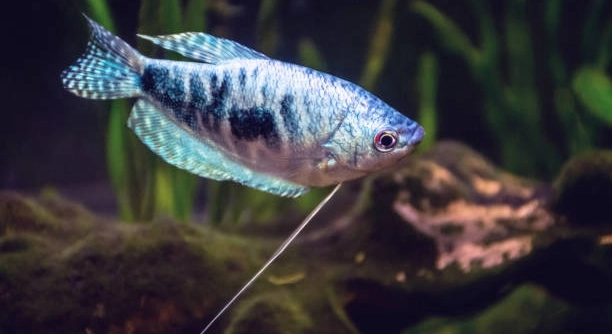
Gouramis are popular aquarium fish known for their unique breeding behavior. When they lay eggs, it marks the beginning of a delicate phase in their care. Understanding what follows helps ensure the health of both the eggs and the fish.
After gouramis lay eggs, the male typically takes responsibility for guarding and tending the bubble nest. Eggs hatch within a few days, and fry become free-swimming about a week later. During this period, water quality and minimal disturbance are critical for survival.
Knowing what happens after egg-laying allows for better preparation and care. This knowledge supports a successful breeding experience and healthy fish development in your aquarium.
The Male Gourami’s Role After Egg Laying
Once the eggs are laid, the male gourami begins to build and maintain a bubble nest at the water surface. This nest is crucial because it holds the eggs together and keeps them oxygenated. The male will carefully place the eggs inside the nest, using his mouth to move them gently. He guards the nest aggressively, chasing away any potential threats, including other fish or even the female. This protective behavior usually lasts until the eggs hatch, which can take around 24 to 36 hours depending on water temperature. Maintaining clean water and stable conditions during this period is essential, as poor water quality can cause the male to abandon the nest or damage the eggs unintentionally.
The male’s care is vital for egg survival. Without his protection, eggs are vulnerable to falling, getting lost, or being eaten.
Monitoring the male’s activity helps ensure the eggs remain safe. If he seems stressed or neglects the nest, adjusting tank conditions or separating aggressive tank mates may be necessary. Keeping the environment calm supports his natural behavior and increases the chances of successful hatching.
Caring for Gourami Fry After Hatching
Once the eggs hatch, the fry remain in the nest for a few days, absorbing their yolk sacs. During this time, they are fragile and require minimal disturbance. The male continues to protect them but gradually reduces his involvement as the fry become more active.
In the days following hatching, feeding becomes crucial. Newly free-swimming fry need tiny, protein-rich foods like infusoria or commercially available fry food. It is important to provide frequent, small feedings to support healthy growth. Regular water changes are necessary to maintain high water quality, but care should be taken not to remove the fry. Using a gentle siphon helps avoid disturbance.
Overfeeding or poor water quality can quickly harm the fry, so careful management is essential. As they grow, introducing larger foods gradually prepares them for adult diets. This phase requires patience and consistent care to ensure the young gouramis develop properly.
Managing Water Conditions Post-Spawning
Water quality must remain stable after gourami eggs hatch. Fluctuations in temperature, pH, or ammonia levels can stress the fry and adults alike. Keeping the tank clean and well-filtered is essential for healthy development.
Maintaining consistent water parameters helps prevent fungal infections and improves survival rates. Regular partial water changes, about 10-20% every few days, remove waste without causing shock. Use a gentle siphon to avoid disturbing fry or the male’s nest. Monitor ammonia and nitrite levels closely; both should be near zero. Keeping the water temperature steady, ideally between 78-82°F (25-28°C), supports faster growth and prevents stress. Avoid strong currents since fry are weak swimmers. Adjust filtration flow to gentle settings or use sponge filters that provide both aeration and safety for the fry.
In addition to cleanliness, stable conditions help the male continue nest care without abandoning it. Sudden changes can cause him to stop protecting eggs or fry, increasing the risk of loss. A calm environment with steady water quality is critical during this sensitive phase.
Feeding Strategies for Newly Hatched Gourami Fry
Newly hatched gourami fry need frequent feedings with tiny, easily digestible foods. Start with infusoria, micro-worms, or specialized liquid fry food to meet their nutritional needs.
Gradually introduce finely crushed flake food or baby brine shrimp as they grow. Feed small amounts multiple times daily to prevent leftover food from fouling the water. Overfeeding leads to poor water quality, which can be fatal. Use a pipette or small spoon to place food near the fry gently. Observe their feeding behavior to adjust the quantity accordingly. As fry develop, increasing food size helps transition to adult diets. Consistency in feeding and water care is key to healthy growth.
Proper nutrition supports strong immune systems and rapid development. Inadequate feeding can cause stunted growth or higher mortality rates. Patience and close attention to their needs ensure better outcomes.
Signs of Healthy Fry
Healthy gourami fry are active and responsive. They swim steadily and show interest in food soon after becoming free-swimming. Clear eyes and a smooth, well-formed body indicate good health.
Lethargy, clamped fins, or floating at the surface can signal stress or poor water conditions. Early detection of these signs helps prevent loss by adjusting care promptly.
Common Challenges After Eggs Hatch
Fry are vulnerable to fungal infections, poor water quality, and aggression from other fish. Maintaining cleanliness and separating fry from adults often reduces risks.
Nutritional deficiencies or inconsistent feeding can stunt growth. Consistent care and proper diet help avoid these issues.
Adjusting Tank Setup for Fry Growth
As fry grow, they need more space and hiding spots. Removing the male after nest care prevents aggression toward the young fish.
Increasing plants or adding gentle filtration supports their development and keeps water conditions stable.
When to Separate Fry from Parents
Separating fry usually occurs one to two weeks after hatching. This timing reduces stress on both parents and young fish.
FAQ
How long do gourami eggs take to hatch?
Gourami eggs usually hatch within 24 to 36 hours after being laid. Temperature plays a big role—warmer water speeds up hatching, while cooler water slows it down. After hatching, the fry stay in the bubble nest for about three to four days before becoming free-swimming.
What should I do if the male gourami stops guarding the nest?
If the male stops guarding the nest, it could be due to stress or poor water conditions. Check water parameters carefully, ensure the tank is calm, and remove any aggressive tank mates. Sometimes separating the male temporarily helps reduce stress, but keep the environment stable to encourage him to resume care.
Can I keep other fish in the same tank during breeding?
It’s best to keep other fish away during breeding. Gourami males can be very protective and aggressive while guarding the nest. Other fish might eat the eggs or fry, so separating the breeding pair or using a breeding tank helps increase survival chances.
How often should I feed gourami fry?
Feed gourami fry small amounts multiple times daily. They need tiny, protein-rich foods like infusoria, baby brine shrimp, or specially made fry food. Overfeeding causes water pollution, so only give what they can eat within a few minutes. Gradually increase food size as they grow.
When can I introduce adult food to the fry?
After about two to three weeks, start introducing finely crushed flake food or pellets. The fry will gradually adjust to this diet as they grow larger. Continue offering live or frozen food for protein to support healthy development.
How do I prevent fungal infections on eggs?
Good water quality and minimal disturbance help prevent fungal infections. Avoid overcrowding and keep the tank clean. Adding a small amount of antifungal medication designed for fish eggs can be helpful, but only if necessary. Proper care by the male also reduces the risk.
Is it normal for the male to eat some of the eggs?
Yes, sometimes males eat eggs that are unfertilized or damaged. This is a natural behavior to keep the nest clean and healthy. If the male eats too many eggs, it could signal stress or poor water conditions, which should be addressed promptly.
What water temperature is best for raising gourami fry?
A temperature between 78 and 82°F (25 to 28°C) is ideal for gourami fry. Stable temperatures promote faster growth and reduce stress. Sudden temperature changes can harm the fry or cause the male to abandon the nest.
How long does it take for gourami fry to become independent?
Gourami fry usually become free-swimming and independent after about one week. At this point, they start swimming away from the nest and feeding on their own. They still benefit from protection, but they gradually become less dependent on the male.
When should I separate the fry from their parents?
Separate the fry from the parents around one to two weeks after hatching. By this time, the male’s protective instincts lessen, and the parents may become aggressive toward the young fish. Moving fry to a separate tank prevents injury and allows for better feeding control.
What kind of filtration is best for fry tanks?
Sponge filters are ideal for fry tanks because they provide gentle water flow and safe filtration. They do not create strong currents that can harm delicate fry. Sponge filters also promote beneficial bacteria growth, which helps maintain water quality.
How can I tell if fry are growing properly?
Healthy fry show steady growth, active swimming, and bright coloration. They respond to food and explore their environment. Stunted growth, lethargy, or faded colors can indicate problems with water quality, nutrition, or illness. Monitoring their behavior helps catch issues early.
Is it necessary to remove the bubble nest after the fry become free-swimming?
No, the bubble nest will naturally break down once the fry leave it. Removing it is not necessary, but you should keep the water surface clean to allow proper oxygen exchange. The nest material usually disperses within a few days.
What should I do if the fry are not eating?
If fry refuse to eat, check water parameters and temperature first. Poor conditions cause stress and loss of appetite. Ensure food is small enough and easily digestible. Sometimes using live foods like infusoria stimulates feeding. Avoid overhandling or disturbing the tank during this sensitive phase.
Can gourami fry survive without the male’s care?
They can survive, but chances are much lower without the male’s protection. The male guards the nest and eggs from predators and maintains the bubble nest’s integrity. Without him, eggs and fry are vulnerable to falling, getting lost, or being eaten.
How important is lighting during the fry stage?
Moderate lighting supports normal behavior and feeding. Too much light can stress fry and encourage algae growth, while too little light can reduce activity and feeding response. Natural daylight cycles or gentle aquarium lighting work best.
Are there any signs of illness to watch for in fry?
Signs of illness include sluggish movement, white patches, curled fins, or loss of appetite. Early treatment is important to prevent spread. Keeping water clean and feeding properly reduces risks. Quarantine new fish to avoid introducing diseases.
What is the best way to acclimate fry to a new tank?
Acclimate fry slowly by floating their container in the new tank and gradually mixing tank water over several hours. This reduces shock from differences in water chemistry or temperature. Handle fry carefully to avoid injury during transfer.
Can I use medications in the breeding tank?
Use medications sparingly, as many can harm eggs and fry. If treatment is necessary, choose products safe for young fish and follow dosage instructions closely. Always prioritize water quality and natural care to minimize medication needs.
How long should I keep fry in the breeding tank?
Keep fry in the breeding tank until they are strong enough to join the main aquarium, usually after 6 to 8 weeks. Ensure they are large enough to avoid being eaten by adult fish. Gradual introduction helps reduce stress and injury.
Final Thoughts
Raising gourami fry after they hatch requires patience and attention to detail. The period following egg-laying is critical for the survival and healthy development of the young fish. Proper water conditions, careful feeding, and monitoring the behavior of both the parents and fry are essential steps. By understanding what to expect after gourami lay eggs, you can provide an environment that supports their growth and reduces common risks such as fungal infections or aggression from other tank mates.
It is important to maintain stable water temperature and cleanliness during this time. Small fluctuations in temperature or poor water quality can quickly affect the health of the eggs and fry. The male gourami’s role in guarding and caring for the nest is vital, but sometimes intervention is needed if he abandons the nest or becomes aggressive. Separating the fry at the appropriate time helps ensure they have enough space and reduces stress from parental aggression. Providing the right food at the right time supports their nutritional needs and promotes steady growth.
The process of raising gourami fry is rewarding but demands consistent care and observation. Understanding the natural behaviors of gouramis during and after breeding helps in managing the tank more effectively. Patience is key, as fry take several weeks to become independent and strong enough to thrive in a community tank. By following proper care practices, you increase the chances of successfully raising healthy gourami fry that will grow into vibrant adult fish.

Hello,
If you enjoy the content that we create, please consider saying a "Thank You!" by leaving a tip.
Every little bit helps us continue crafting quality advice that supports the health, happiness, and well-being of pets around the world, for pets of all shapes, sizes, and species.
We really appreciate the kindness and support that you show us!