
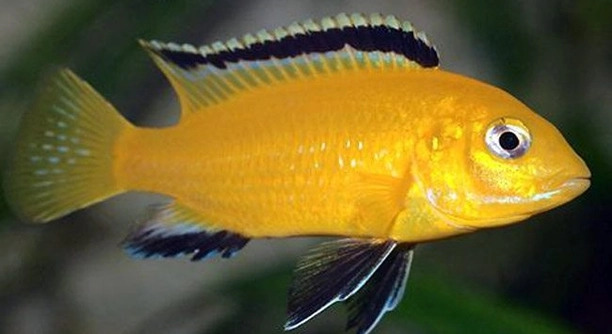
Have you noticed your cichlid spending most of its time near the filter, hovering without much movement? Many aquarists observe this behavior and wonder if it indicates stress, illness, or simply a preference for a specific spot.
Cichlids often stay near the filter due to water flow, oxygen levels, or territorial instincts. Ensuring proper tank conditions, stable water parameters, and minimal stress can encourage normal swimming behavior and support the fish’s overall health.
Monitoring your cichlid’s habits can reveal important clues about its environment and wellbeing, guiding you to create a more comfortable and balanced tank.
Understanding Why Cichlids Prefer the Filter
Cichlids often stay near the filter because it provides a comfortable and familiar spot in their tank. The filter creates water movement, which can help oxygenate the area and keep the water clean. Some fish are naturally drawn to areas with consistent currents or gentle flow, feeling more secure there. Stress, sudden changes in temperature, or aggressive tank mates can also push a cichlid toward the filter. Observing the fish over time helps identify if it is avoiding certain parts of the tank or simply enjoying the filtered area. Lighting, decorations, and hiding spaces can influence where a cichlid chooses to spend time. Ensuring a balanced environment with proper water quality, stable temperature, and enough space for swimming may encourage the fish to explore the rest of the tank. Each cichlid may have slightly different preferences, so patience and careful observation are key to understanding their behavior.
Filters improve water quality and oxygen levels, making them naturally attractive to fish.
Keeping the tank clean and maintaining consistent conditions reduces stress. Providing hiding spots and moderate water flow encourages exploration. Watching how the cichlid reacts to different areas helps in adjusting tank setup. Over time, the fish may become more active and less attached to the filter, balancing comfort with movement in the tank.
Common Environmental Factors
Water temperature, oxygen levels, and tank size all affect where a cichlid spends time.
Cichlids may cling to the filter when water is too warm, too cold, or oxygen levels are low. In smaller tanks, limited swimming space can make the area near the filter feel safer. Strong currents elsewhere may discourage exploration, while hiding places near the filter create security. Adjusting these conditions often helps the fish distribute more evenly. Adding plants, rocks, or decorations away from the filter can create appealing alternatives. Regular water testing ensures parameters remain stable, preventing sudden behavioral changes. Feeding patterns also influence movement; some fish stay near the filter if it is near food delivery points. By observing the fish consistently and adjusting the environment, owners can support healthier, more natural swimming behavior while minimizing stress. Attention to details in water quality, temperature, and tank setup makes a significant difference in encouraging a balanced habitat for the cichlid.
Adjusting Tank Conditions
Improving water flow and oxygen levels can encourage cichlids to explore. Adjusting filter placement, adding gentle currents, or aerating the tank helps distribute movement and comfort throughout the aquarium.
Cichlids may prefer the filter area when water circulation elsewhere is weak. Adding small air stones or repositioning decorations can balance flow and create safer spaces. Maintaining consistent water temperature and proper filtration reduces stress, making the fish feel secure in other parts of the tank. Over time, they may venture further, exploring hiding spots and open swimming areas. Observation and gradual adjustments are key to promoting natural movement.
Providing multiple areas with similar comfort can help distribute the fish evenly. Avoiding sudden changes ensures the cichlid doesn’t return solely to the filter. Monitoring behavior daily allows subtle tweaks that encourage exploration while keeping water quality stable. Tank layout, water chemistry, and oxygen levels all influence whether the cichlid stays near one spot or moves freely.
Feeding and Behavioral Patterns
Cichlids often associate the filter with feeding areas, which can reinforce lingering behavior.
Placing food consistently in one area can make a cichlid spend more time near the filter. Varying feeding spots and times helps them explore the tank and reduces dependency on a single location. Some fish naturally hover near currents where food may accumulate. Observation is important to detect if the fish is healthy and eating normally. Providing a mix of sinking and floating foods encourages movement and interaction with different areas of the tank, supporting both mental stimulation and physical health.
Behavioral habits develop when fish feel secure in a specific area. Changing feeding locations gradually can shift patterns without causing stress. Ensuring all fish receive food prevents aggression near favored spots. Some cichlids are naturally territorial, so spreading resources evenly helps maintain peace. Adding enrichment, like rocks or plants away from the filter, encourages exploration. Over weeks, consistent adjustments in feeding, layout, and flow promote a more balanced and active environment, helping the cichlid distribute its time across the tank naturally.
Health Considerations
A cichlid staying near the filter can signal stress or illness. Monitoring for unusual behavior, discoloration, or loss of appetite is important for early detection.
Regular water testing, proper diet, and observing physical signs help prevent health issues. Addressing problems early ensures the fish remains active and comfortable throughout the tank.
Tank Size and Layout
Small tanks or crowded setups often push cichlids toward the filter. Providing enough swimming space and rearranging decorations can encourage movement. Open areas, hiding spots, and varied water flow allow the fish to explore safely, reducing dependency on a single location in the aquarium.
Interactions with Other Fish
Aggressive or dominant tank mates can influence where a cichlid spends time. Observing behavior and adjusting populations or territories helps reduce stress and encourages freer swimming.
FAQ
Why does my cichlid stay near the filter all the time?
Cichlids often stay near the filter because it provides a secure and oxygen-rich environment. Water flow, hiding spots, and consistent current make this area comfortable. Stress, aggressive tank mates, or sudden changes in water temperature can also push them to stay near the filter. Observing their behavior over time helps determine if it is a comfort habit or a sign of environmental issues.
Is it a problem if my cichlid doesn’t explore the tank?
Not always. Some cichlids naturally prefer certain areas, especially where conditions feel safe. However, if the fish avoids the rest of the tank completely, it may indicate stress, poor water quality, or health issues. Ensuring stable temperature, proper filtration, and adequate oxygen levels helps encourage movement and exploration.
How can I encourage my cichlid to swim more?
Adjusting water flow, adding hiding spots in other areas, and rearranging decorations can promote exploration. Using gentle currents throughout the tank instead of only near the filter encourages natural swimming. Feeding in multiple locations also motivates the fish to move. Gradual changes work best to avoid stressing the cichlid.
Could water quality affect this behavior?
Yes. Poor water quality can make cichlids stay near the filter because it often represents the cleanest area. Regular water testing for ammonia, nitrites, nitrates, and pH levels is important. Consistent water changes and proper filtration help maintain a healthy environment, encouraging the fish to swim freely.
Do tank mates influence a cichlid’s choice to stay near the filter?
Absolutely. Aggressive or territorial tank mates can force a cichlid into specific areas. Observing interactions and adjusting tank populations or hiding spots can reduce stress. Providing multiple territories and open spaces ensures less conflict and allows all fish to distribute more evenly.
Can feeding habits make a cichlid linger near the filter?
Yes. If the fish associates the filter area with food, it may spend more time there. Feeding in different locations and using varied foods, like sinking and floating pellets, encourages the cichlid to explore. Gradual changes prevent stress while promoting more natural swimming behavior.
When should I worry about health issues?
Health concerns arise if the cichlid shows lethargy, unusual coloration, fin damage, or loss of appetite. Staying near the filter alone is not always a problem, but combined with these signs, it may indicate illness. Quarantine, water testing, and proper treatment help ensure recovery.
Does tank size matter for this behavior?
Yes, small or crowded tanks limit swimming space and push fish to the filter area. Larger tanks with open areas, decorations, and hiding spots provide opportunities for exploration. Adequate space reduces stress and encourages natural behavior.
How long will it take for my cichlid to explore more of the tank?
It varies depending on the fish’s personality, tank conditions, and any environmental adjustments. Gradual improvements in water flow, feeding routines, and layout often show results within a few weeks. Patience and careful observation are essential.
Are some cichlid species more likely to stay near the filter?
Yes. Certain species prefer strong currents or secure hiding spaces and may gravitate toward filters more often. Knowing the species’ natural behavior helps set realistic expectations and design a tank that meets its needs.
Can enrichment help change this habit?
Adding plants, rocks, or tunnels away from the filter encourages exploration. Objects should create safe spaces without overcrowding. Changing layout occasionally keeps the environment interesting, promoting activity while minimizing stress.
Should I adjust the filter to change this behavior?
Sometimes minor adjustments help, like reducing strong currents or repositioning output to create even water flow. The goal is to make other areas as comfortable as the filter zone, giving the cichlid reasons to swim elsewhere. Overdoing it can stress the fish, so changes should be gradual.
Is this behavior harmful to my cichlid?
Not necessarily. If water quality, temperature, and nutrition are good, staying near the filter is usually harmless. However, prolonged lack of movement may affect muscle tone and general health. Encouraging activity through feeding, layout changes, and enrichment ensures the fish remains strong and healthy.
Can stress be the main reason for filter attachment?
Yes. Stress from tank mates, sudden changes, or poor water quality can make a cichlid cling to the safest area. Reducing stress with stable conditions, hiding spots, and proper care often encourages more confident swimming.
Does lighting affect this behavior?
Lighting can influence fish movement. Bright lights may make cichlids seek shaded or sheltered areas, sometimes near the filter. Adjusting lighting gradually and providing shaded spots encourages balanced activity without creating unnecessary stress.
How do I know if my cichlid is comfortable?
Signs of comfort include regular swimming, normal appetite, and interaction with the tank environment. If the fish occasionally stays near the filter but explores other areas, it is likely comfortable. Continuous observation ensures changes in behavior are noticed early.
Can water flow be too strong near the filter?
Yes, extremely strong currents may tire the fish or create stress. Adjusting flow to moderate levels ensures the area is comfortable without forcing the cichlid to stay there constantly. Gradual tweaks help find the right balance.
Is temperature fluctuation a factor?
Temperature swings can make cichlids seek stable areas. Filters often maintain slightly more consistent conditions, attracting the fish. Monitoring and stabilizing temperature ensures the entire tank is equally comfortable, encouraging movement.
Will adding more plants help?
Plants provide hiding spots, shade, and enrichment, encouraging exploration. Strategically placing them away from the filter can draw the fish to other areas. Live plants also improve water quality, supporting overall health and comfort.
Do cichlids need variety in their tank?
Yes. A varied environment prevents boredom and promotes natural behavior. Rocks, caves, plants, and open swimming spaces create multiple options for security and activity, reducing the need to cling to the filter.
How can I tell if the behavior is temporary?
Temporary filter attachment often occurs during acclimation, stress, or minor environmental changes. Observing gradual exploration, increased activity, and normal feeding usually indicate the behavior will pass once comfort is restored.
Is monitoring behavior important?
Consistent observation helps detect problems early. Noting changes in swimming, appetite, or interaction with tank mates ensures quick action for health, stress, or environmental issues. Tracking behavior also guides adjustments in tank setup, feeding, and enrichment to support a happy cichlid.
Final Thoughts
Cichlids staying near the filter is a behavior many aquarium owners notice. While it can seem worrying at first, it is often a normal response to their environment. The filter area tends to be a stable, oxygen-rich, and secure spot in the tank. Fish naturally look for areas that make them feel safe, especially when other parts of the aquarium have stronger currents, fewer hiding spots, or more active tank mates. Observing your cichlid’s behavior over time helps you understand whether it is simply comfortable near the filter or showing signs of stress or health issues. Paying attention to swimming patterns, feeding habits, and interactions with other fish provides valuable clues about their overall well-being and comfort in the tank.
Maintaining proper tank conditions is one of the most important ways to support your cichlid. Stable water temperature, clean water, and balanced filtration create an environment where the fish can move freely and explore other areas. Adjusting water flow or filter placement can help distribute currents more evenly, encouraging the fish to swim beyond its usual spot. Adding decorations, rocks, plants, or other hiding spots creates more areas of security throughout the tank. Feeding in different locations and offering a mix of floating and sinking foods also motivates movement and natural behavior. Over time, these small adjustments often help the fish feel more comfortable exploring the entire tank, reducing reliance on a single area near the filter.
It is also important to consider the fish’s health and stress levels. Lingering near the filter alone is not necessarily a sign of illness, but it can sometimes indicate underlying problems, especially if combined with unusual behavior, loss of appetite, or changes in color. Monitoring the tank’s water quality regularly, keeping an eye on interactions with other fish, and noting changes in behavior are key steps in maintaining a healthy environment. By providing a well-balanced habitat with consistent conditions, enrichment, and proper care, your cichlid can thrive while displaying more natural swimming habits. Understanding their behavior, making small adjustments, and observing changes ensures that your fish is both comfortable and active, creating a balanced aquarium where it can enjoy a healthy and stress-free life.

Hello,
If you enjoy the content that we create, please consider saying a "Thank You!" by leaving a tip.
Every little bit helps us continue crafting quality advice that supports the health, happiness, and well-being of pets around the world, for pets of all shapes, sizes, and species.
We really appreciate the kindness and support that you show us!