
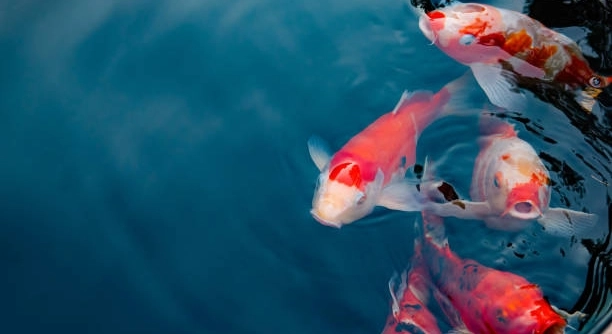
Are your koi fish spending most of the day hiding in the shadows instead of swimming freely in your pond?
Koi fish often hide all day due to stress, poor water conditions, sudden environmental changes, or predator presence. Ensuring proper tank setup, clean water, and a calm environment can significantly reduce this behavior.
Understanding what triggers this hiding behavior can help you create a safer, more comfortable space for your koi to thrive and enjoy.
Common Reasons Koi Fish Hide All Day
Koi fish may stay hidden for several reasons, and it often has to do with changes in their surroundings. If your pond is new or has recently been cleaned, koi may feel uncertain and need time to adjust. Loud noises, unfamiliar objects, or nearby animals can also trigger their hiding. Even shifts in temperature or water quality—like sudden pH changes or ammonia spikes—can affect how secure they feel. Koi are sensitive, and these factors can cause them to stay out of sight. Sometimes, they just need a peaceful, predictable environment to feel safe enough to swim freely.
Stress from poor water conditions or new tankmates often leads to hiding. Always test your pond water regularly and introduce any new fish slowly.
If your koi have started hiding more than usual, it’s helpful to observe their behavior closely. Look for signs like clamped fins, loss of appetite, or erratic swimming. These can suggest something is wrong, either with the water quality or the environment. Make sure your pond has proper filtration and that the water is being maintained regularly. Providing hiding spots is important, but they should not feel like the only safe space. A mix of open swimming areas and shaded zones helps koi feel more at ease.
Simple Fixes That Can Help
Adding floating plants or lily pads can help your koi feel more protected without blocking all the sunlight.
Make sure your pond has enough oxygen and that the water temperature is stable. Try to reduce noise and movement around the pond, especially during feeding times. Fish can sense vibrations, and too much activity can keep them in hiding. Adding a few more koi or compatible fish might also make them feel more secure, as koi often behave more confidently in groups. If you’re using a pond cover or netting, make sure it’s not casting heavy shadows across the whole surface. Keep the environment consistent and check your water regularly for quality. Balanced water helps your koi feel calm and safe.
How to Make Your Pond Feel Safer
Creating a calm space starts with adding a few natural touches. Use aquatic plants to give your koi shade and shelter, but leave enough open water for swimming. Avoid sudden changes and keep things quiet nearby.
Check the layout of your pond and make sure there are places for koi to explore without feeling trapped. Large rocks, caves, and gentle slopes allow them to hide if needed but still come out often. Avoid sharp corners or deep shadows that make fish feel boxed in. The goal is to give them options, not make them vanish. Choose soft lighting for evening hours and place plants in a way that doesn’t block the entire surface. This helps koi feel secure while also encouraging movement. When fish feel comfortable, they swim more freely, eat better, and become more active during the day.
Water movement also plays a role in helping koi feel safer. A soft current from a waterfall or fountain can improve oxygen levels while also creating gentle noise that blocks out sudden sounds. Keep filters running smoothly and check them regularly. Avoid harsh pumps that create a strong flow, as koi prefer a steady, calm environment. Balanced flow and oxygen make the space feel less stressful.
When to Worry About Koi Hiding
If your koi are hiding and also stop eating or begin swimming oddly, it may be more than just stress. Look for signs like white spots, red streaks on fins, or gasping near the surface. These can mean illness or poor water quality.
Koi fish are good at hiding discomfort, so it’s important to take note of any small changes in behavior. If they’re hiding constantly, even in the evening or when it’s quiet, test the water right away. Check for ammonia, nitrites, and pH imbalances. If all levels are normal, think back to any recent changes in the pond—new fish, construction nearby, or shifts in temperature. Sudden fear from predators like birds or raccoons can also keep koi in hiding. Adding netting or decoy animals may help. If nothing seems wrong but the behavior continues, consider contacting a vet who specializes in fish. Catching problems early keeps koi healthier and more active.
Feeding Habits Can Affect Behavior
Feeding your koi at the same time each day helps build trust and routine. If feeding is inconsistent, they may not feel secure enough to come out. Stay calm and quiet during feeding to avoid scaring them.
Overfeeding or leaving uneaten food can lower water quality. This may cause stress and lead to hiding. Feed small amounts and clean up leftovers quickly.
Seasonal Changes and Koi Behavior
As temperatures shift with the seasons, koi behavior changes too. In colder months, they become less active and often stay near the bottom to conserve energy. This is normal and doesn’t always mean something is wrong. During spring and fall, sudden temperature changes can stress them, especially if the pond isn’t deep enough or lacks shaded areas. Try to maintain stable water temperatures and provide proper shelter. Summer heat can also lead to hiding, especially if oxygen levels drop. Add shade and keep aeration running. Each season brings natural changes, but keeping conditions stable helps koi feel more at ease.
Adding New Fish Carefully
New fish can cause stress if added too quickly. Quarantine them first and introduce slowly to avoid overwhelming your koi.
FAQ
Why are my koi hiding even though the water tests look fine?
Even if your water parameters look normal, koi may still hide due to environmental stress. Loud noises, shadows from trees, or predator threats like birds or raccoons can cause hiding. New decorations or sudden changes in lighting can also make them feel unsafe. Try creating more covered areas or reducing activity near the pond. Sometimes, koi need time to feel secure again after a disturbance. Keep your routine consistent, and allow a few days to see if their behavior changes.
Do koi hide more during certain times of the day?
Yes, koi often hide more during the early morning or afternoon if the sun is too bright or the temperature is high. They may seek shade to avoid stress or overheating. Koi tend to be more active when the lighting is softer, like in the evening or early evening. If your pond lacks shaded areas, they may stay hidden for longer periods. Adding floating plants or placing part of the pond under cover can help encourage daytime activity.
How long is too long for koi to stay hidden?
If koi hide for most of the day for more than three or four days, it’s worth looking into further. Occasional hiding is normal, especially after pond maintenance or changes in weather. But if it becomes a pattern, check the water again and look for any physical signs of illness like spots, frayed fins, or changes in color. Watch their appetite too. A healthy koi usually eats with enthusiasm. If they refuse food or hide during feeding, this may point to stress or illness.
Can koi become more social over time?
Yes, koi can become more social as they grow used to their environment and your presence. If they start out shy, it doesn’t mean they’ll always hide. Feeding at the same time every day and approaching the pond slowly can help build trust. They may even begin to recognize you and swim to the surface. Avoid sudden movements and keep their environment stable. With time, koi often become more confident and visible throughout the day.
What are the best types of pond plants to help koi feel secure?
Floating plants like water lettuce and water hyacinth are good choices because they provide cover without taking up too much space. Lily pads also offer shade and shelter. Marginal plants like cattails or pickerel rush can be planted along the edges for added hiding spots. Plants not only create cover but also help with water quality, which reduces stress. Just be careful not to overcrowd the pond, as koi need open areas to swim freely.
Is it okay to use pond lights at night?
Yes, but use them carefully. Soft, warm-colored lights can help you view your koi without disturbing them. Bright or flashing lights may stress them out and cause hiding. Place lights in a way that creates gentle illumination without harsh shadows. Avoid moving lights or those that flicker. Limit how long they’re on each night to mimic a natural rhythm. If your koi seem to hide more after lights are added, try dimming them or reducing usage.
Can pond predators cause long-term hiding behavior?
Yes, even if a predator only visits once, koi can remain fearful for days. Birds like herons, raccoons, or cats may leave koi on edge, even if they aren’t caught. Use decoys, motion-activated sprinklers, or netting to help deter animals. Place shelter areas like rock caves or plant cover where koi can retreat. Once they feel safer and don’t sense threats, they often return to normal behavior, though it may take a little while.
Should I worry if only one koi is hiding?
Yes, it’s worth monitoring closely. While a shy koi might just need more time to adjust, being the only one hiding can also point to illness or injury. Look at its movement, appetite, and physical condition. If it seems weak or different from the others, isolate it if possible and check water quality again. If symptoms appear or it continues hiding alone, it may need treatment or a visit to a fish vet.
Can too much algae cause koi to hide?
Algae in small amounts usually doesn’t cause hiding. But if algae growth blocks sunlight or lowers oxygen levels, koi may become stressed and hide more. Large algae blooms can also affect water quality, leading to pH swings or ammonia spikes. Try to keep algae under control using a UV clarifier, proper filtration, and shading. Avoid chemical treatments unless absolutely necessary, as they can also disturb the pond balance.
Is hiding behavior normal after a pond cleaning?
Yes, koi often hide after a major cleaning. Moving decorations, stirring up debris, or changing a large amount of water can unsettle them. They might stay out of sight for a few days while they adjust. If you plan a cleaning, try to leave some familiar items in place and avoid drastic changes all at once. Gradual adjustments help koi stay calm and recover quicker from the disruption.
Final Thoughts
Koi fish are calm and gentle creatures, but they can be sensitive to changes in their environment. If your koi are hiding all day, it’s often a sign that something in their space feels unsafe or unfamiliar. This could be due to water issues, sudden noise, predators, or even seasonal shifts. In many cases, the cause is something small and easy to fix. By taking a closer look at their pond setup and keeping an eye on their behavior, you can usually find a simple solution. Koi may not speak, but their actions are clear signs of how they feel.
Keeping your pond stable and quiet makes a big difference. Koi need routine and a space where they feel secure. That means clean water, soft lighting, shaded areas, and a calm feeding schedule. It also helps to give them a mix of open space and hiding spots, so they don’t feel forced to stay out of sight. If a koi feels safe, it will swim more freely, eat better, and show more of its natural behavior. Some koi may be shy by nature, but most become more active when their environment is consistent and peaceful.
Watching koi swim happily through their pond is one of the best parts of caring for them. If hiding becomes a habit, it’s worth taking the time to learn what’s causing it. Often, the answer is simple—something small like a loud noise or not enough cover. Other times, it might be a health issue or a sign of stress. Either way, your koi are giving you helpful clues. With some attention and care, they’ll feel safe enough to come out and explore again. Being patient and observing them closely is the best way to understand what they need and help them feel at ease in their home.

Hello,
If you enjoy the content that we create, please consider saying a "Thank You!" by leaving a tip.
Every little bit helps us continue crafting quality advice that supports the health, happiness, and well-being of pets around the world, for pets of all shapes, sizes, and species.
We really appreciate the kindness and support that you show us!