
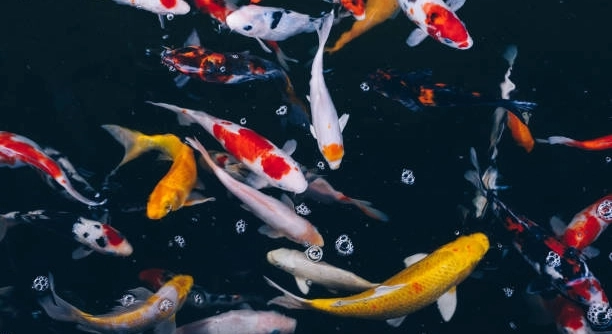
Are your koi fish spending more time resting at the bottom or moving sluggishly in the pond? This change in behavior can be concerning, especially when you’re used to seeing them swim actively every day.
Reduced activity in koi fish is most often caused by water temperature changes, poor water quality, or underlying health issues. Monitoring pond conditions, checking for parasites, and adjusting feeding routines are essential steps in restoring their normal behavior.
Small changes in care can have a big impact. From temperature shifts to seasonal feeding habits, understanding these signs will help you keep your koi healthy and thriving.
Understanding Why Koi Fish Become Less Active
Koi fish are sensitive to changes in their environment. When they begin to slow down, it usually means something isn’t quite right in the pond. Seasonal shifts, especially colder temperatures, can lead to sluggish behavior. In addition, water quality issues such as low oxygen levels, high ammonia, or unbalanced pH can cause discomfort. Overfeeding, parasites, and stress from overcrowding may also play a role. It’s important to consider each of these factors to understand what’s affecting your fish. Making small adjustments based on these signs can often bring your koi back to their usual behavior without needing complicated solutions.
If your koi are less active, test the water first. It’s the easiest way to rule out or confirm a problem.
Temperature changes and water quality are usually the cause. Koi slow down in cold water or when they feel unwell. Checking conditions and observing their behavior helps you respond quickly and appropriately.
What You Can Do to Help
Start by checking the water temperature and chemical balance. Make sure there’s enough oxygen, especially during hot or overcrowded periods.
If the water quality is fine, pay close attention to how the koi swim and eat. Lack of appetite, staying near the bottom, or erratic swimming may signal parasites or infections. In that case, isolate affected fish if possible and consider contacting a specialist for a health check. Adjusting feeding routines also helps—feed less in colder months and avoid leftovers that can pollute the water. Clean the pond regularly, keep filters in good condition, and provide shady areas during extreme weather. Lastly, avoid sudden changes in water temperature or chemistry. Make changes gradually to avoid causing more stress. Simple routines and steady care usually make the biggest difference. Staying observant helps you notice issues early and keep your koi in good condition.
Adjusting the Environment
Keep the pond clean and well-oxygenated. Remove debris regularly, trim plants, and check that the filter is working properly. Use a pond vacuum if needed and test water weekly for pH, ammonia, nitrites, and oxygen levels to keep everything balanced.
If the water is too warm, your koi may become sluggish due to reduced oxygen. Add shade by using floating plants or a canopy to help lower the temperature. When water is too cold, their metabolism slows down, which is normal. Try to maintain a steady temperature between 65°F and 75°F when possible. Avoid large fluctuations by using a pond heater during colder months or aerators to keep water moving. Keep pond size and depth in mind, as shallow ponds change temperature more quickly than deeper ones. Consistency keeps stress levels low and helps your koi feel more comfortable year-round.
Seasonal changes affect pond conditions more than you might realize. In spring and fall, sudden shifts in temperature can stress your koi. When adding fresh water, always treat it first to remove chlorine or heavy metals. If using a pump or filter, clean and check them often, especially after storms or long dry spells. A stable, clean pond environment encourages active behavior and supports long-term health. Feeding should also match the season—more frequent in warm months, and less when it’s cooler. Feeding too much when it’s cold can lead to uneaten food breaking down and harming water quality. Small, thoughtful changes can have a lasting effect on your koi’s well-being.
Supporting Koi Health
Koi sometimes become less active when they’re fighting off illness. Watch for pale coloring, frayed fins, or isolation from the group. These are small signs that something could be wrong. Early attention gives your koi a better chance to recover.
When health is the concern, quarantine tanks can help. Isolating a fish allows you to monitor it more closely without affecting the others. Use water from the main pond to avoid shock and provide gentle aeration. Medicated treatments may help if parasites or infections are confirmed. Be cautious with dosage and follow product directions carefully. Avoid feeding if the koi isn’t eating; uneaten food will only reduce water quality. You can also consult with a vet who specializes in pond fish. If there’s no vet nearby, many local fish stores have experience identifying and managing common koi issues. Clear observation and timely action are key. With a bit of care, your koi will usually bounce back.
Monitoring Feeding Habits
Feed your koi during the warmest part of the day when their digestion is most active. Use floating pellets to observe how much they eat and remove leftovers within five minutes to avoid water contamination.
Adjust feeding amounts based on temperature. Feed more in summer and much less in cooler months. In winter, koi may not need food at all if the water stays below 50°F.
Observing Behavior Patterns
Daily observation helps catch problems early. Look for any changes in swimming, appetite, or interactions with other fish. Koi that isolate themselves, stop eating, or float near the surface may be showing early signs of stress or illness. Keep a log to track any changes.
Keeping Stress Levels Low
Avoid sudden changes to the pond. Whether it’s water temperature, new fish, or major cleaning, try to make adjustments gradually. This helps your koi feel safer and stay active.
FAQ
Why are my koi fish hiding all of a sudden?
Koi often hide when they’re stressed or scared. This can happen after sudden changes in the environment, like loud noises, predators nearby, or changes in water quality. It’s also common after introducing new fish. Make sure the water parameters are stable and check for signs of illness. Providing shelter like pond plants or rocks can also help them feel safe. If they stay hidden for several days, test the water, observe their behavior closely, and reduce disturbances around the pond. Gradual improvements in their environment usually help them come back out.
Is it normal for koi to be inactive in winter?
Yes, koi naturally slow down during colder months. Their metabolism decreases as water temperatures drop below 50°F, and they become much less active. You may even notice them sitting at the bottom of the pond and not eating at all. This behavior is normal and not a cause for concern as long as they show no signs of illness. Avoid feeding them when it’s cold, as they can’t digest food properly at low temperatures. Keep the water clean and monitor oxygen levels, but let them rest during this time.
How often should I test my pond water?
You should test your pond water at least once a week, especially during spring and summer when activity is highest. Key things to monitor include pH, ammonia, nitrites, nitrates, and oxygen levels. If your koi start acting differently—such as swimming near the surface or showing lack of appetite—test the water right away. Sudden spikes in ammonia or pH imbalances can cause stress and illness. Use a reliable test kit and keep a record of results. This makes it easier to spot trends and act quickly when something changes.
Do koi fish get bored or need stimulation?
Koi are curious and often respond to changes in their surroundings. While they don’t need toys like some pets, they do enjoy exploring plants, tunnels, and new items placed in their pond. Adding features like floating plants or waterfalls can make the space more engaging. Koi also react to people, especially if they associate you with feeding. Try feeding them by hand or from the same spot each day. This type of interaction helps build trust and gives them a sense of routine. A simple, enriched environment can keep them more active and alert.
How can I tell if my koi are sick or just resting?
If your koi are resting but still react to movement and resume swimming occasionally, they’re likely just relaxing or adjusting to conditions. However, signs of illness include clamped fins, cloudy eyes, red streaks on the body or fins, gasping at the surface, and unusual swimming patterns. Loss of appetite and staying in one spot for long periods may also suggest something is wrong. When in doubt, test the water first. If results are normal, observe closely for physical symptoms. Acting early makes treatment easier and increases their chances of recovery.
Should I be concerned if my koi aren’t eating?
In cold weather, it’s normal for koi to stop eating altogether. Their metabolism slows, and food isn’t needed. But during warmer months, a sudden lack of appetite might be linked to stress, water quality, or illness. Always check water parameters first. If the water looks good and there are no visible signs of illness, try offering a small amount of fresh food. If they still won’t eat, isolate the fish if possible and continue monitoring. Refrain from overfeeding during this time, as uneaten food can create more problems.
How much activity is considered normal for koi?
Healthy koi should swim calmly, explore their surroundings, and come to the surface during feeding times. They may rest during certain times of day, but long periods of inactivity without feeding or interaction could suggest a problem. Seasonal changes also influence how active they are—expect more energy in warmer months and slower movement when it’s colder. If your koi suddenly stop swimming as much and you notice other changes in behavior or appearance, take action quickly. Observing them daily helps you understand what’s normal for your fish and spot issues sooner.
Final Thoughts
Koi fish are peaceful and beautiful animals, but their behavior can change depending on the season, their health, and their environment. When they become less active, it is usually a sign that something in their surroundings has shifted. This could be something simple, like cooler water in the fall, or something more serious, like poor water quality or stress. Watching them closely each day helps you understand what is normal and what might need your attention. Even small details, such as how often they swim or how quickly they eat, can tell you a lot about their condition.
Keeping your pond in good shape is one of the best ways to support active and healthy koi. Make sure the water stays clean and well-oxygenated. Check filters, monitor temperature changes, and test water quality regularly. Add shade, shelter, and gentle movement to the pond to help koi feel secure. Limit noise and avoid adding too many fish at once. Feed them properly and adjust food amounts with the weather. A calm and steady environment helps koi stay comfortable and keeps them from getting stressed. When koi feel safe and have good water, they are more likely to stay active and playful.
Koi may rest more during certain times, but you’ll learn their patterns the more time you spend with them. Be patient when they’re quiet, especially during colder months. They may not always be swimming around or eating like they do in the summer, and that’s okay. Still, trust your instincts if something doesn’t feel right. Changes in behavior that last more than a few days often mean something is off. By responding early, you give your koi a better chance of staying healthy. A little attention each day goes a long way. Watching them calmly glide through the water is not just relaxing—it’s also a sign you’re doing something right.

Hello,
If you enjoy the content that we create, please consider saying a "Thank You!" by leaving a tip.
Every little bit helps us continue crafting quality advice that supports the health, happiness, and well-being of pets around the world, for pets of all shapes, sizes, and species.
We really appreciate the kindness and support that you show us!