
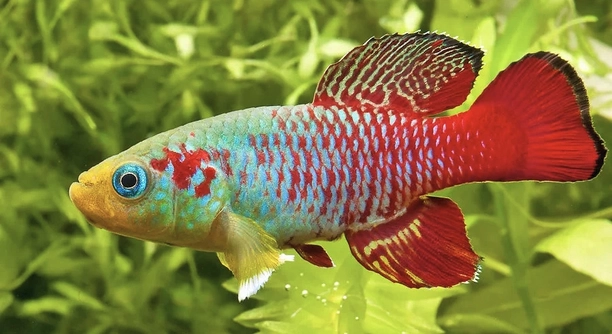
A killi is a small, colorful fish often kept in home aquariums. Sometimes, these fish seem to disappear without a trace, leaving owners concerned and unsure of what to do next. Understanding their behavior can help you manage the situation calmly.
When a killi disappears, the first step is to carefully check the aquarium environment, including hiding spots, water quality, and filtration. Killis often hide in plants or decorations, and poor conditions can lead to stress or death, which may explain their absence.
Knowing what actions to take after your killi vanishes can help protect the rest of your aquatic pets and maintain a healthy tank environment. This article offers practical advice on handling such situations with confidence.
Common Reasons Killis Disappear
Killis are known for being quick and sometimes shy fish. They often hide in plants, decorations, or substrate when they feel stressed or threatened. If your tank has many hiding spots, it can be easy to miss them even if they are still alive. Another reason for disappearance could be jumping out of the tank, as killis are jumpers by nature. Ensuring a tight lid on your aquarium helps prevent this. Water quality also plays a key role. Poor conditions like high ammonia or nitrite levels can stress or even kill your fish without obvious signs. Predators in the tank, such as larger fish or aggressive species, might also cause a killi to hide or go missing. Finally, illness or injury may cause your fish to behave differently and stay hidden. Regular observation helps catch problems early before the disappearance occurs.
Keeping your tank clean and safe can reduce these issues significantly.
Monitoring water parameters, maintaining a secure lid, and watching for tank aggression are key steps in preventing killi disappearance.
How to Search for a Missing Killi
Start by carefully examining all parts of the tank, especially dense plant areas and decorations. Use a flashlight if necessary to spot your fish hiding in shadows or crevices. Check the filter intake and corners of the tank where fish might get stuck. Sometimes, killis may hide near the surface or in the substrate, so look closely at these spots too. If the fish is not found, check under lids or covers where they might have jumped and gotten trapped. Next, test your water for any changes that could have stressed the fish. Finally, consider tank mates that might have chased or attacked the killi, causing it to hide or perish. Keeping a calm approach during the search helps you spot your fish more easily and avoid further stress for all tank inhabitants.
Preventing Future Disappearances
Keeping the tank covered with a secure lid prevents killis from jumping out. Regular water testing ensures a healthy environment, reducing stress that can cause hiding or death. Avoid aggressive tank mates to protect your fish from being chased.
Maintaining stable water conditions is essential. Killis thrive in clean, well-filtered water with appropriate temperature and pH. Frequent partial water changes help keep the tank healthy. Removing sharp or rough decorations can prevent injuries that cause fish to hide. Feeding a balanced diet supports their immune system and overall health, making them less likely to disappear due to illness or weakness.
Observing your fish daily helps catch any unusual behavior early. Early detection of stress or sickness means quicker action and better chances of recovery. Keeping the tank environment calm and safe is the best way to enjoy watching your killis flourish without worrying about them going missing.
What to Do If You Find Your Killi
Once you spot your missing killi, observe its behavior closely. Check for signs of injury or illness such as discoloration, lethargy, or difficulty swimming. Isolate the fish if it appears sick to avoid spreading disease to others in the tank. Make sure the fish has easy access to food and clean water. Monitor its recovery carefully, providing gentle care and a calm environment. Adjust tank conditions if needed to support healing, such as lowering water flow or adding hiding spots. Keeping stress low helps your killi regain strength faster. Regularly check water quality during this time to prevent further complications and ensure a smooth return to health.
Handling Stress in Killis
Stress is a common reason killis disappear or hide. Factors like sudden changes in water temperature or quality can cause stress. Keeping the environment stable is important to avoid unnecessary stress.
Providing plenty of hiding spots helps killis feel safe. Plants and decorations offer shelter that reduces anxiety and encourages normal behavior.
Adjusting the Tank Environment
Improving water flow and lighting can make a big difference. Killis prefer gentle water currents and moderate lighting levels. Too much flow or harsh light may cause them to hide or become less active. Adjusting these conditions can encourage your killi to explore and stay visible. Keep the tank calm and comfortable to support their well-being.
Using Tank Mates Wisely
Choosing peaceful tank mates is crucial for killis’ safety. Avoid aggressive or larger fish that may intimidate or harm them. Keeping compatible species together reduces stress and disappearance risks.
FAQ
Why did my killi suddenly disappear from the tank?
Killis are small and quick fish that often hide when stressed or scared. They may be hiding in dense plants, decorations, or even behind equipment. Sometimes they jump out of the tank if the lid isn’t secure. Water quality problems, illness, or aggression from other fish can also cause them to hide or disappear.
How can I tell if my killi is hiding or if it’s gone?
Look closely around plants, inside decorations, and near the substrate. Use a flashlight to help spot your fish in darker areas. Check the filter intake and tank corners where they might get trapped. If you can’t find your killi after careful searching, it could have jumped out or died.
What should I do if I find my killi but it looks sick?
Isolate the fish in a separate tank or container to prevent spreading illness. Check for signs like faded colors, clamped fins, or difficulty swimming. Maintain clean water and provide gentle care to support recovery. Consult a vet or aquarium specialist if symptoms worsen or don’t improve.
Can poor water conditions cause killis to disappear?
Yes, killis are sensitive to changes in water quality. High ammonia, nitrite, or nitrate levels can stress or kill them. Keep the water clean by testing regularly, performing partial water changes, and using a good filtration system.
How can I prevent killis from jumping out of the tank?
Always use a tight-fitting lid or cover on your aquarium. Killis are natural jumpers and may escape if given the chance. Make sure the lid fits securely and there are no gaps where they could slip through.
Are certain tank mates more likely to cause a killi to disappear?
Yes, aggressive or larger fish can chase or harm killis. Choose peaceful, small tank mates to keep stress low. Avoid fish known for fin-nipping or territorial behavior. Keeping compatible species together reduces hiding and disappearance.
What kind of environment do killis need to feel safe?
Killis prefer tanks with plenty of plants and hiding spots. They feel safer with gentle water flow and moderate lighting. A stable environment with good water quality and proper diet helps keep them healthy and visible.
How often should I check on my killis to prevent disappearance?
Daily observation is best. Watch for changes in behavior, eating habits, or signs of stress. Early detection of problems can prevent disappearances and keep your fish healthy.
Is it normal for killis to hide for long periods?
Killis sometimes hide when adjusting to a new tank or if stressed. However, prolonged hiding can signal poor water quality, illness, or bullying from tank mates. Address these issues quickly to encourage normal activity.
Can feeding affect whether a killi stays visible or hides?
Yes, regular feeding encourages killis to come out and be active. If they aren’t eating well, it might indicate stress or illness. Feeding small amounts several times a day helps maintain their health and visibility.
What should I do if my killi disappeared and I cannot find it anywhere?
Double-check the entire tank and filter system for signs of your fish. Inspect the area around the tank in case it jumped out. If it’s missing with no trace, it’s possible it died and was removed by other fish or decomposed. Maintain good tank care to prevent future losses.
When a killi disappears, it can feel worrying and confusing. These small fish are known for being quick and sometimes shy, so they often hide rather than actually vanish. Understanding that killis may retreat to quiet spots or jump out of the tank helps put the situation in perspective. It is important to check the aquarium carefully and keep a close eye on water conditions. This attention will often reveal where your fish is or what caused its disappearance. Staying calm and methodical during this process helps reduce stress for both you and your fish.
Maintaining a stable and healthy environment is the best way to prevent your killi from disappearing again. Regular water tests and partial changes keep the water clean and safe. A secure lid on the tank stops killis from jumping out. Choosing peaceful tank mates avoids aggressive behavior that can cause stress or hiding. Providing plenty of plants and hiding places gives your fish a safe space when they feel nervous or threatened. Feeding a balanced diet supports their health and encourages normal activity. These steps work together to create a comfortable home for your killis.
If your killi does go missing, it is important to search the tank carefully and watch for signs of illness or injury. Sometimes a missing fish is simply hiding, but other times it may need special care. Isolating a sick or injured fish and adjusting the tank environment can help it recover. Observing your fish daily helps catch problems early, giving you the chance to act quickly. With good care and attention, killis can thrive and stay visible, making your aquarium a pleasant and lively place.

Hello,
If you enjoy the content that we create, please consider saying a "Thank You!" by leaving a tip.
Every little bit helps us continue crafting quality advice that supports the health, happiness, and well-being of pets around the world, for pets of all shapes, sizes, and species.
We really appreciate the kindness and support that you show us!