
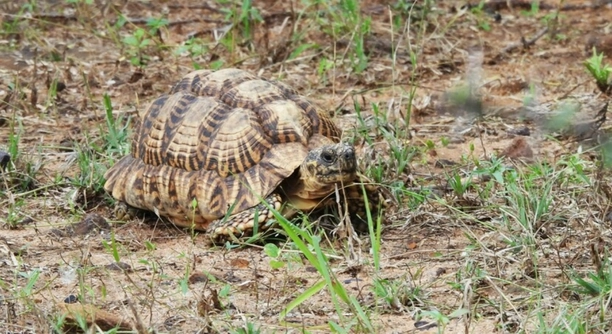
Does your star tortoise seem to have dry skin? This is a common concern, and it’s important to address it to keep your pet healthy and happy. Dry skin in tortoises can be a sign of improper care or environmental issues.
Dry skin in star tortoises is usually caused by dehydration, improper humidity, or inadequate diet. To resolve this, ensure proper humidity, hydration, a balanced diet, and regular baths. Correcting these factors can help restore healthy skin.
By adjusting the environment and providing the right care, you can help your tortoise recover quickly and thrive. The following tips will guide you through simple steps to fix dry skin.
Why Your Star Tortoise’s Skin May Be Dry
Dry skin in your star tortoise can result from several factors, with dehydration being one of the most common reasons. If the humidity levels are too low or your tortoise isn’t drinking enough water, it can lead to dry, flaky skin. Another reason might be poor diet. A lack of essential nutrients, such as vitamins A and E, can affect the skin’s health. Additionally, inadequate basking conditions can dry out your tortoise’s skin as they rely on heat to regulate their body temperature and moisture levels. To help your tortoise’s skin, you must first understand these factors and adjust their care accordingly.
Dry skin may also appear due to low humidity or poor hydration. In these cases, it’s crucial to address both environmental factors and hydration to help your tortoise heal.
If your tortoise’s skin continues to look dry despite hydration and proper humidity, it’s essential to reassess their diet. Make sure they are getting enough greens and nutrients like calcium. Supplementing with vitamins and ensuring your tortoise gets variety in its food will help improve their skin condition.
How to Increase Humidity for Your Star Tortoise
Maintaining proper humidity is key. If the humidity in the tank is too low, your tortoise may suffer from dry skin.
To boost the humidity, consider adding a shallow water dish in their enclosure or use a humidifier nearby. Another way to ensure moisture is by misting the habitat with water regularly. Aim to maintain a humidity level between 50-70% for star tortoises. A humidity gauge can be a helpful tool to monitor the levels effectively.
Creating a humid environment doesn’t only help your tortoise’s skin; it also supports their overall health. Star tortoises need adequate humidity to avoid respiratory issues and dehydration. The right humidity level will help your tortoise thrive in a balanced habitat.
How to Ensure Proper Hydration for Your Star Tortoise
To prevent dry skin, make sure your star tortoise has access to clean water at all times. This helps them stay hydrated, reducing the risk of dry, flaky skin.
Providing a shallow dish of water allows your tortoise to drink easily. Change the water frequently to avoid bacterial growth. Another option is to give your tortoise regular baths, especially if they seem reluctant to drink. Bathing helps rehydrate their skin and supports overall health.
Additionally, some tortoises may not always drink enough water on their own. If your tortoise is not drinking from the dish, gently soak them in lukewarm water for about 20 minutes a few times a week. This helps with hydration and skin health, especially in drier environments.
The Importance of a Balanced Diet for Skin Health
A proper diet is essential for maintaining healthy skin. Make sure your star tortoise is eating a variety of fresh greens and vegetables.
Star tortoises require a diet rich in fiber and calcium, such as dandelion greens, collard greens, and turnip greens. Including a small amount of fruit, like melon or berries, can also be beneficial. The right food ensures they receive necessary nutrients like vitamins A and E, which support healthy skin.
If your tortoise’s diet is lacking in these nutrients, consider adding supplements to their meals. Vitamin A is particularly important for skin regeneration and overall health. Consult with a vet to make sure you are providing a well-balanced diet tailored to your tortoise’s needs.
Providing Proper Basking Conditions
Ensure your star tortoise has a warm basking spot in their enclosure. Proper heat is crucial for their overall well-being and skin health.
The basking area should be around 90-95°F (32-35°C) during the day. This temperature helps them regulate moisture levels and supports digestion. The cool side of the tank should be lower in temperature for balance.
If the basking spot is too cold, your tortoise may struggle to absorb heat and moisture properly, which can lead to dry skin. Use a reliable heat source, like a ceramic heat emitter, to maintain a stable environment.
Creating a Clean and Comfortable Habitat
A clean enclosure is important to avoid skin problems and infections. Regularly remove waste and spot clean the enclosure.
Star tortoises are sensitive to dirty environments, which can affect their health and skin. Change bedding and sanitize the enclosure every few weeks to maintain a healthy space for your tortoise. This helps prevent bacterial growth that could irritate the skin.
A comfortable, clean environment ensures your tortoise can thrive without the added stress of skin irritations or infections. Cleanliness is key for both their physical health and overall comfort.
FAQ
How do I know if my star tortoise is dehydrated?
Dehydration in a star tortoise may show up through dry, flaky skin, sunken eyes, and lethargy. You might notice that your tortoise is not as active as usual or is not eating as much. Dehydration can also lead to a dry mouth or nose. If these signs are present, increasing their water intake and humidity levels is essential.
Can I use a humidifier for my star tortoise?
Yes, using a humidifier can help maintain proper humidity levels in your tortoise’s habitat. A humidifier will keep the air moist, preventing the skin from drying out. However, it’s important to monitor the humidity regularly with a hygrometer to ensure it’s in the ideal range (50-70%) for your tortoise.
How often should I bathe my star tortoise to help with dry skin?
You can bathe your tortoise 2-3 times a week if they are showing signs of dry skin. Bathing helps rehydrate their skin, especially if they aren’t drinking enough water. Make sure the water temperature is lukewarm (not hot or cold) and do not leave them in the water for too long to avoid stress.
Can I use lotion or ointments on my star tortoise’s skin?
It’s not recommended to use lotions or ointments on your tortoise’s skin unless instructed by a vet. Tortoises have sensitive skin, and some products may cause irritation or harm. Instead, focus on improving hydration, humidity, and diet to resolve dry skin naturally.
What are the best foods to improve my star tortoise’s skin?
Leafy greens like dandelion greens, collard greens, and turnip greens are great for your tortoise’s skin. These provide essential vitamins and nutrients such as vitamin A, which is important for skin health. You can also feed them small amounts of fruits like watermelon, berries, or papaya to add moisture.
How long will it take for my star tortoise’s skin to improve?
Improvement can vary, but with the right care, you should start seeing changes in about a week or two. Adjusting humidity, diet, and hydration can help your tortoise’s skin recover fairly quickly. Keep monitoring their condition, and if improvement is slow, it’s best to consult a vet.
Can a dry environment cause other health issues for my star tortoise?
Yes, a dry environment can lead to respiratory problems, dehydration, and stress. It can also affect their ability to digest food properly, as tortoises need the right temperature and humidity for proper digestion. A dry environment also increases the risk of skin issues and infections.
Is it safe to give my star tortoise vegetables every day?
Yes, you can give your star tortoise fresh vegetables every day. However, variety is key. Offering a mix of dark, leafy greens like kale, collards, and turnip greens ensures they get a range of nutrients. Avoid feeding them vegetables high in oxalates, like spinach, too often.
What should I do if my star tortoise’s skin gets infected?
If you notice signs of infection, such as swelling, pus, or abnormal discoloration, it’s important to seek veterinary care immediately. Infections can become serious if left untreated. A vet will be able to properly diagnose the issue and prescribe the necessary treatment, such as topical antibiotics or other medications.
Can stress cause dry skin in star tortoises?
Yes, stress can contribute to dry skin. If your tortoise feels threatened by changes in its environment or is handled too much, it may not regulate its moisture levels properly. Keeping the habitat consistent and minimizing stressors is key to keeping your tortoise’s skin healthy.
What temperature should I maintain in my star tortoise’s habitat?
The temperature should range between 75-85°F (24-29°C) during the cooler part of the enclosure. The basking area should be warmer, around 90-95°F (32-35°C), during the day. Night temperatures can drop to around 70°F (21°C), but avoid drastic temperature fluctuations.
Can I use a heat lamp to warm my star tortoise’s habitat?
Yes, using a heat lamp can help maintain the right temperature for your star tortoise. Ensure the heat lamp is positioned so that the basking spot is within the correct temperature range. Avoid overheating the enclosure, as this can cause dehydration or stress.
Is it necessary to use supplements for my star tortoise’s skin?
Supplements like calcium and vitamin A can help improve your tortoise’s skin health, especially if their diet lacks variety. However, these should be given in moderation. Over-supplementing can cause problems, so it’s important to consult with a vet to determine the right amount.
Final Thoughts
Taking care of your star tortoise’s skin is an important part of keeping them healthy. Dry skin often results from environmental factors, dehydration, or poor diet. By addressing these issues early on, you can prevent more serious problems down the road. Ensuring that your tortoise has a proper humidity level, access to clean water, and a well-balanced diet will go a long way in improving their skin health. Regular baths can also help them stay hydrated, especially in dry climates or if they don’t drink enough on their own.
Remember, providing the right care for your star tortoise’s skin involves more than just fixing the current problem. It’s about creating an environment where they can thrive. Proper basking conditions, with a warm spot for your tortoise to soak in heat, are also crucial for their well-being. A clean habitat free of waste and harmful bacteria will help prevent skin infections and irritations. If you follow these steps and monitor your tortoise’s condition closely, you can expect improvements over time.
If you notice that your star tortoise’s skin doesn’t improve despite making these changes, it may be worth consulting with a veterinarian. Sometimes, dry skin can be a sign of underlying health issues that need professional attention. A vet can guide you on the best course of action if things aren’t improving as expected. With the right care, attention, and knowledge, your star tortoise can enjoy a long and healthy life with smooth, hydrated skin.

Hello,
If you enjoy the content that we create, please consider saying a "Thank You!" by leaving a tip.
Every little bit helps us continue crafting quality advice that supports the health, happiness, and well-being of pets around the world, for pets of all shapes, sizes, and species.
We really appreciate the kindness and support that you show us!