
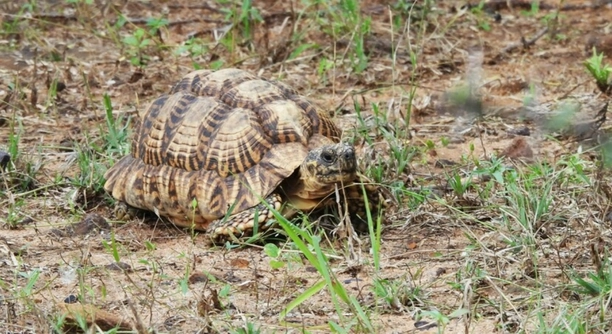
A star tortoise’s shell is an important part of its health and well-being. If you notice your tortoise’s shell becoming soft, it’s essential to address the issue quickly to avoid serious health complications.
A soft shell in a star tortoise is often caused by a lack of calcium or improper habitat conditions. You can remedy this with a combination of dietary changes, UVB exposure, and hydration, which will help restore your tortoise’s shell to normal.
Understanding the causes and solutions of soft shells can help your tortoise regain strength and health. From adjusting their diet to modifying their habitat, taking the right steps will support their recovery.
Lack of Calcium and Vitamin D3
A soft shell in your star tortoise is often a sign that it isn’t getting enough calcium or vitamin D3. Calcium is crucial for building and maintaining a healthy shell, while vitamin D3 helps the tortoise absorb calcium. Without both, your tortoise may suffer from metabolic bone disease, a condition that weakens the bones and shell.
To fix this, you should start by offering a calcium supplement, ideally one with added D3. Dust their food with calcium powder a few times a week. You can also provide calcium-rich foods like leafy greens. However, supplementation should always be done in moderation to avoid overdoing it.
You’ll also want to ensure your star tortoise gets enough natural sunlight or UVB light from a proper bulb. UVB rays help your tortoise produce vitamin D3, which aids in calcium absorption. Without adequate UVB exposure, calcium will not be properly absorbed, leading to soft shells and other health issues. Setting up a proper lighting setup and adjusting their diet will make a huge difference.
Improper Habitat Conditions
Tortoises need specific temperature and humidity levels in their habitat to stay healthy. When these conditions are wrong, it can lead to soft shells. Star tortoises, in particular, require a warm basking area and a cooler section of their habitat to regulate their body temperature properly.
Make sure your tortoise’s enclosure is set up with a basking spot of around 90°F and a cooler area at around 75°F. The humidity should be moderate, not too dry or too damp. A humidity level of 40-60% works well. If the enclosure is too dry or too damp, it can cause problems with their shell and overall health.
To provide the best care, invest in a good thermometer and hygrometer to monitor temperature and humidity accurately. Ensuring the right conditions will help your star tortoise thrive, allowing its shell to harden and stay healthy. With the proper setup, your tortoise will feel more comfortable, reducing stress and improving its overall well-being.
Dehydration
Dehydration is another common cause of a soft shell in star tortoises. When they don’t get enough water, their bodies can’t maintain proper hydration levels, which directly affects their shell’s strength. Ensure your tortoise always has access to fresh water.
You can also offer water by soaking your tortoise in lukewarm water for about 20 minutes a few times a week. This will help it absorb moisture through its skin, preventing dehydration. If your tortoise isn’t drinking from its water bowl, soaking them can encourage hydration. Always check the water temperature to avoid making it too hot or too cold.
In addition to providing clean water, you can include hydrating foods in your tortoise’s diet. Foods like cucumber, watermelon, and leafy greens have high water content and help keep your tortoise hydrated. Keeping a regular hydration routine will support the health of your star tortoise’s shell and overall well-being.
Inadequate Diet
An inadequate diet is a major factor in soft shells. Star tortoises require a varied diet rich in fiber, calcium, and other essential nutrients. Without these, their shells and bones can become weak. A proper diet includes dark leafy greens, grasses, and some fruits, but the focus should be on high-calcium foods.
Avoid feeding them foods that are too high in oxalates, like spinach, as it can block calcium absorption. Offering a variety of grasses and herbs will mimic their natural diet. You can also provide occasional fruit as a treat. A well-balanced diet will support shell health and prevent softening.
You should also consider offering a vitamin supplement. While fresh foods are the best source, a supplement can help fill in the gaps. Be sure to offer these supplements in moderation. Over-supplementing can cause other health problems. A balanced, diverse diet with a mix of fresh greens, grasses, and occasional treats is key to keeping your tortoise’s shell healthy.
Lack of UVB Light
UVB light is vital for your star tortoise’s health. Without it, they can’t produce vitamin D3, which is necessary for calcium absorption. If they aren’t exposed to UVB light regularly, their shell will soften and they might develop other health issues.
Ensure your tortoise has access to proper UVB lighting for about 10 to 12 hours a day. Use a UVB bulb designed for reptiles, as regular household lights won’t provide the needed spectrum. Position the bulb at the correct distance from the basking area, as too much or too little exposure can cause problems.
Overfeeding or Underfeeding
Overfeeding or underfeeding can both contribute to soft shells in tortoises. Overfeeding, especially foods low in calcium, can lead to obesity, while underfeeding causes malnutrition. Both conditions weaken the shell and can cause long-term health issues.
To keep your star tortoise healthy, follow a regular feeding schedule with appropriate portion sizes. Offer a balanced variety of foods, ensuring they get the right amount of calcium, fiber, and nutrients. Avoid overfeeding high-fat foods and make sure their diet stays rich in natural greens and grasses.
Stress and Poor Environment
Stress can affect the health of your star tortoise’s shell. Stressors like excessive handling, loud noises, or inadequate space can weaken your tortoise’s immune system and cause shell problems. Provide a calm, quiet, and secure environment for your tortoise.
Ensure their enclosure is large enough for them to move around freely. If your tortoise feels cramped or threatened, it can become stressed, which can slow down its shell growth and cause softness. Keep their habitat consistent in terms of temperature, lighting, and humidity to minimize stress and improve their overall health.
FAQ
What are the signs that my star tortoise’s shell is too soft?
A soft shell in a star tortoise can be identified by gently pressing on the shell. If it feels pliable or soft rather than firm and hard, this is a sign that something is wrong. You may also notice deformities in the shape of the shell over time. A weakened shell often leads to a general decline in health, such as lethargy, lack of appetite, and even difficulty moving. In severe cases, the shell can become deformed or flake off.
How long does it take to fix a soft shell in a star tortoise?
The recovery time for a soft shell depends on the cause and the treatment plan. If the cause is nutritional, such as calcium or vitamin D3 deficiency, it can take a few weeks to a few months for the shell to harden once the right diet and UVB exposure are introduced. If the shell remains soft despite these adjustments, it could indicate a more severe underlying issue, and a vet should be consulted. Regular monitoring is necessary to ensure that the shell is improving.
Can I fix my tortoise’s shell with just a calcium supplement?
While calcium is essential, it is not the only factor in treating a soft shell. The root cause of a soft shell can be multiple factors such as improper UVB exposure, dehydration, or poor diet. Calcium supplements alone won’t solve the problem if other conditions aren’t addressed. A balanced approach, including a proper diet, UVB light, hydration, and environmental adjustments, is necessary to support shell recovery.
Is it safe to use calcium powder for my star tortoise?
Calcium powder is generally safe when used correctly. It should be used as a supplement and not as a replacement for natural calcium sources in the diet. Overuse of calcium powder can lead to an excess of calcium in the tortoise’s body, which could result in health problems like kidney damage or urinary issues. Dusting food with calcium powder once or twice a week is typically enough, depending on the tortoise’s overall diet and needs.
What type of UVB light is best for a star tortoise?
A high-quality UVB bulb that provides UVB radiation in the 290-320 nm wavelength range is essential. These bulbs come in different forms, such as fluorescent tubes or compact bulbs, and should be placed close to your tortoise’s basking area. The UVB bulb should be replaced every 6-12 months, as its effectiveness diminishes over time. Make sure your tortoise has direct access to the UVB light for about 10 to 12 hours each day.
How much water should my star tortoise drink?
Star tortoises don’t drink much water in a traditional sense. They absorb moisture from their food, especially if they eat water-rich vegetables. However, it’s essential to provide fresh water at all times in their enclosure. Some tortoises may drink from their bowl if the water is shallow enough, while others might prefer being soaked in water once a week to absorb hydration through their skin. Offering fresh water daily and regularly soaking your tortoise can help prevent dehydration.
Can a soft shell be reversed?
Yes, a soft shell can be reversed if the underlying cause is addressed quickly. For example, if the issue is calcium deficiency, providing calcium supplements and UVB light can help the shell harden. Similarly, improving diet, hydration, and habitat conditions can restore the shell’s health over time. The earlier you intervene, the better the chances for recovery. However, in severe cases, long-term damage may be irreversible, and a veterinarian should be consulted.
Do I need to take my star tortoise to the vet for a soft shell?
If you notice a soft shell, it’s important to consult a veterinarian who specializes in reptiles. A vet can determine the exact cause of the issue and recommend a treatment plan. If your tortoise’s condition is not improving despite dietary and environmental changes, a vet can help rule out any other underlying health problems and provide appropriate treatments, such as calcium injections or specialized care.
Can a soft shell cause long-term damage to my star tortoise?
Yes, a soft shell can lead to long-term damage if not addressed. A soft shell indicates that the tortoise’s bones and shell are not developing properly, which can lead to deformities, infections, and other serious health issues. If left untreated, a star tortoise may suffer permanent damage to its shell, affecting its mobility and overall quality of life. Early intervention is crucial for avoiding lasting harm.
How do I know if my tortoise’s shell is improving?
You can monitor your tortoise’s shell improvement by gently pressing on it to see if it becomes firmer. As the shell hardens, it will regain its natural shape and structure. Additionally, you should notice your tortoise becoming more active, eating more, and behaving more normally. If the shell begins to deform or shows signs of deterioration despite proper care, it’s essential to seek veterinary help.
Can I use regular household lighting instead of UVB light for my star tortoise?
Regular household lighting will not provide the necessary UVB radiation that star tortoises need for calcium absorption. UVB light is essential for their overall health and shell development. Tortoises that are not exposed to UVB light may develop metabolic bone disease, which weakens their bones and shell. Always use a UVB-specific bulb designed for reptiles.
Final Thoughts
A soft shell in a star tortoise is a serious health concern, but it is something that can usually be fixed with the right care. The most important factors to focus on are diet, hydration, UVB exposure, and proper habitat conditions. If any of these elements are lacking, your tortoise may struggle with a soft shell and other health issues. It’s important to create a balanced and healthy environment for your tortoise so it can thrive.
Ensuring your star tortoise gets enough calcium and vitamin D3 is essential. Calcium is needed for shell and bone development, while vitamin D3 helps the body absorb calcium. Without these, your tortoise’s shell may become weak and soft. You can support this by providing a proper diet with calcium-rich foods and by using supplements when necessary. A good UVB light source is equally important, as it allows your tortoise to produce vitamin D3 naturally from sunlight. Regular exposure to UVB light will help the calcium be absorbed effectively and support shell health.
Finally, remember that improving your tortoise’s shell health requires patience and consistency. Changes in diet or environment might take some time to show results, so it’s important to monitor your tortoise’s progress regularly. If you’re not seeing improvement or if the soft shell persists, it’s always a good idea to consult with a reptile vet. A vet can help rule out other possible causes and guide you on the best course of action to restore your tortoise’s health. By taking the right steps, your star tortoise can enjoy a long and healthy life.

Hello,
If you enjoy the content that we create, please consider saying a "Thank You!" by leaving a tip.
Every little bit helps us continue crafting quality advice that supports the health, happiness, and well-being of pets around the world, for pets of all shapes, sizes, and species.
We really appreciate the kindness and support that you show us!