
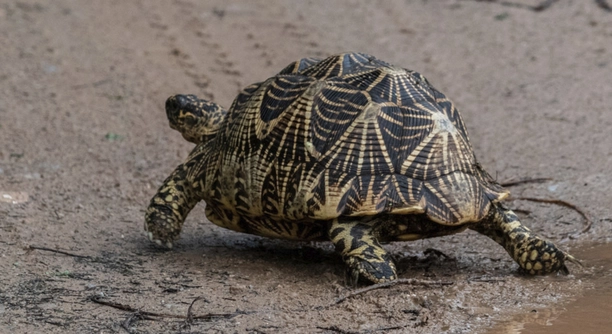
If your star tortoise is no longer using its hide, it could be a sign of various factors that need attention. Understanding why your tortoise has stopped using its hide can help restore its comfort and health.
The main reason your star tortoise may stop using its hide is due to environmental changes, stress, or health issues. Factors like temperature fluctuations, improper humidity, or anxiety can cause the tortoise to avoid its hiding spot.
There are several possible reasons behind this behavior, and it’s important to consider them to ensure your tortoise’s well-being. Understanding these factors will help guide you to the right solutions for your pet’s comfort.
Changes in Temperature and Humidity
If the temperature or humidity in your tortoise’s habitat changes, it could cause your star tortoise to stop using its hide. Tortoises need a consistent environment to feel secure and comfortable. If the temperature gets too hot or too cold, or the humidity is off, your tortoise may avoid its hide. It may also happen if there are drastic fluctuations in the enclosure’s temperature.
A stable temperature of around 80-85°F with a warm spot of 90°F and proper humidity will make your tortoise feel secure again. If your tortoise avoids its hide, check the environment closely to ensure it is within the right range.
Check if the basking area is too hot, or if the cooler zone is too cold. Even small changes can disrupt their behavior, making them less likely to use their hide. Consider adjusting the temperature and humidity and giving your star tortoise time to adjust to the changes. A thermometer and humidity gauge are essential tools to monitor the conditions accurately.
Stress or Anxiety from New Additions
Stress from new animals or changes in the home can affect your tortoise. A new pet or people moving around the enclosure might cause anxiety.
When your tortoise feels threatened or disturbed by new arrivals or too much activity near its habitat, it might avoid its hide. This is a protective instinct. To reduce stress, keep the enclosure in a quiet, low-traffic area.
Incorrect Hide Placement
The location of your tortoise’s hide is crucial. If it’s too close to the basking area or too far from the cool end, your star tortoise might feel uncomfortable using it. A hide should provide a temperature gradient, allowing your tortoise to feel secure and cool when needed.
If the hide is too close to the heat, your tortoise may avoid it due to the overwhelming warmth. Similarly, if it’s too far from the cool zone, your tortoise might feel too exposed or stressed. Make sure the hide is placed in a spot where your tortoise can find the right balance of warmth and coolness.
A hide placed near the cool zone offers a refuge from the heat, while a hide closer to the basking spot provides an option for warmth. When the hide is in an appropriate position, your tortoise will be more likely to use it. Consider testing the temperature in different spots to find the perfect spot for your star tortoise.
Health Issues
Health problems can lead to a change in behavior, including avoiding its hide. Illness or injury might cause your tortoise to feel weak, and it may retreat to its hide less frequently. If your star tortoise is not using its hide and shows other signs of illness, a check-up is necessary.
Lack of appetite, swollen eyes, or irregular movement can all signal potential health problems. If your tortoise is experiencing these symptoms, take action quickly to avoid more serious issues. Health problems, especially if they involve pain or discomfort, could be the main reason your star tortoise has stopped using its hide. A visit to a reptile veterinarian can help identify and treat the problem early on.
A tortoise in pain may withdraw and avoid its hide as it seeks a different way to cope. Keeping an eye on any changes in behavior or physical appearance is essential to determining if health issues are the cause. Identifying problems early and providing treatment can help your tortoise return to normal behavior.
Overcrowded Enclosure
If your tortoise’s enclosure feels overcrowded, it may stop using its hide. Too many objects or other animals can cause stress and make your tortoise feel unsafe. When there isn’t enough space, your tortoise might avoid hiding altogether.
A cluttered environment doesn’t allow your tortoise to feel secure, which may lead it to avoid its hide. Remove unnecessary items or separate other pets to give your tortoise room to move freely. Keeping the enclosure simple and spacious ensures your star tortoise feels comfortable enough to use its hide.
Improper Hide Design
The design of the hide is just as important as its placement. If it’s too small, uncomfortable, or difficult for your tortoise to access, it may avoid using it. Your star tortoise needs a hide that provides enough space to move in and out easily.
The hide should mimic a natural environment—spacious, secure, and easy to enter. Too many sharp edges, or a hide that’s too tight, can discourage your tortoise from using it. Ensure the entrance is wide enough for your tortoise to enter without struggling. A soft, smooth interior will make the hide feel more inviting.
Mating Behavior
Sometimes, mating behavior can affect your star tortoise’s usual routines, including using its hide. During breeding seasons, tortoises can become more active and may change their usual habits.
Changes in activity or behavior may make your tortoise less interested in its hide. During this time, your tortoise may be more focused on mating or searching for food, causing a temporary shift in its behavior.
FAQ
Why is my star tortoise not using its hide anymore?
There could be a number of reasons your star tortoise is avoiding its hide. It may be due to environmental changes such as temperature or humidity fluctuations. Stress, overcrowding, or a health issue can also cause your tortoise to stop using its hide. It’s important to assess both the physical environment and your tortoise’s health to identify the cause. Check if the hide is properly placed, the right size, and comfortable for your tortoise. If everything seems fine but the behavior persists, a visit to the vet might be necessary.
How can I tell if my star tortoise is stressed?
Signs of stress in your star tortoise may include pacing, loss of appetite, hiding more than usual, or even aggression. If your tortoise is suddenly avoiding its hide or acting differently, stress could be the reason. Stress can come from overcrowding, changes in the environment, or even too much activity around its enclosure. Take a step back and ensure the habitat is peaceful, with enough space and the right temperature to help your tortoise feel secure. If you suspect stress, try reducing noise, activity, or adding more hiding spaces.
What temperature should my tortoise’s enclosure be?
Your star tortoise needs a warm spot of 90°F for basking and a cooler area of around 80-85°F to regulate its body temperature. The humidity should be kept around 50-60%. A temperature gradient allows your tortoise to choose where it feels most comfortable and safe. Too much heat or cold can make your tortoise avoid its hide, or worse, affect its health. Use a thermometer and humidity gauge to monitor these levels consistently. Proper environmental conditions can also prevent stress, making it more likely for your tortoise to use its hide.
Can I use any hide for my star tortoise?
The hide you choose for your star tortoise should be spacious, easy to access, and comfortable. It should mimic the natural environment with enough room for your tortoise to move in and out easily. Avoid hides that are too small, tight, or made of materials that might be difficult to clean. A hide should be safe, secure, and provide a feeling of comfort for your tortoise. Make sure it is placed in an area where it can regulate its temperature and humidity levels.
Should I be worried if my star tortoise isn’t eating?
If your star tortoise isn’t eating and also avoiding its hide, it may be a sign of stress, illness, or discomfort. A sudden loss of appetite can indicate health problems such as an infection or digestive issues. If your tortoise hasn’t eaten in a few days or is showing other signs of illness, it’s time to visit a reptile veterinarian. In some cases, your tortoise might not eat if it is stressed due to changes in the environment. Be sure to check the temperature and humidity levels in the enclosure and make sure it is peaceful.
How can I make my star tortoise feel safe in its enclosure?
Creating a safe environment for your star tortoise starts with offering the right temperatures, humidity, and hiding spots. A secure hide in a quiet area with minimal disturbances is key. Make sure there’s enough space for your tortoise to move freely without feeling crowded. The habitat should be free from sharp objects or areas that could cause harm. The more your tortoise feels secure in its environment, the more likely it will use its hide. Regularly check the conditions of the habitat and make adjustments as needed to ensure a stress-free space.
Can my star tortoise’s behavior change with the seasons?
Yes, tortoises, including stars, can show changes in behavior depending on the season. During breeding season or when the weather changes, your tortoise might be more active and less interested in hiding. In colder months, they may naturally become less active, seeking more rest. These seasonal changes are natural, but if your tortoise is showing signs of discomfort, it’s best to check its environment and health. Ensure your tortoise has a proper space to retreat to when needed, even if it is less likely to hide during certain times of the year.
How often should I clean my star tortoise’s hide?
Cleaning your star tortoise’s hide regularly is important for maintaining a healthy environment. Aim to clean it once a week or more often if you notice waste or mold. A dirty hide can cause stress or health issues, leading your tortoise to avoid it. Use a reptile-safe cleaner or warm water to clean the hide and remove any debris. Make sure to dry the hide thoroughly before placing it back into the enclosure. Keeping it clean and comfortable will make it more likely that your star tortoise will use it regularly.
Is it normal for my tortoise to be less active at certain times?
Yes, it is normal for star tortoises to have periods of reduced activity. They may sleep more or show less interest in their hide, especially during colder months or if they are getting older. However, if your tortoise’s inactivity is sudden or prolonged, or if it shows other signs of illness, it could indicate a health issue. Keep an eye on its behavior and make sure the enclosure conditions are ideal. If you are concerned, consult with a veterinarian to rule out any potential health concerns.
How can I tell if my tortoise’s hide is the right size?
A hide should be large enough for your star tortoise to move comfortably inside but not so large that it doesn’t feel secure. It should offer a snug space where your tortoise feels protected but can still stretch out if needed. Measure the hide to make sure it’s at least 1.5 times the length of your tortoise’s shell. A proper hide gives your tortoise the sense of security it needs. If the hide is too cramped or too large, your tortoise might not use it at all.
Final Thoughts
It’s important to remember that a star tortoise’s behavior, including whether or not it uses its hide, can be influenced by a variety of factors. If your tortoise suddenly stops using its hide, it could be a sign of changes in its environment, stress, health issues, or even mating behavior. The key to resolving this is understanding the underlying causes and taking steps to address them. Monitoring temperature, humidity, and placement of the hide is essential in ensuring that your tortoise feels safe and comfortable.
Health issues can be a major reason why your star tortoise may avoid its hide. Illness or injury can lead to changes in behavior, such as avoiding areas where the tortoise would normally feel secure. If your tortoise shows other signs of illness, like lethargy, lack of appetite, or irregular movement, a vet visit is a good idea. Additionally, stress from factors like overcrowding, a noisy environment, or changes in the habitat can make your tortoise feel insecure, leading it to avoid hiding. Stress can be minimized by keeping its living space peaceful and offering enough room to move freely.
Creating an ideal environment for your star tortoise is essential for its overall well-being. Ensuring that the hide is the right size and placed in an area that allows for a temperature gradient is important. The hide should also be clean, comfortable, and easily accessible. By monitoring your tortoise’s behavior, environment, and health, you can create a secure space where it feels safe and comfortable to use its hide. If problems persist, don’t hesitate to consult with a reptile vet to help identify any potential issues and ensure your tortoise’s health.

Hello,
If you enjoy the content that we create, please consider saying a "Thank You!" by leaving a tip.
Every little bit helps us continue crafting quality advice that supports the health, happiness, and well-being of pets around the world, for pets of all shapes, sizes, and species.
We really appreciate the kindness and support that you show us!