
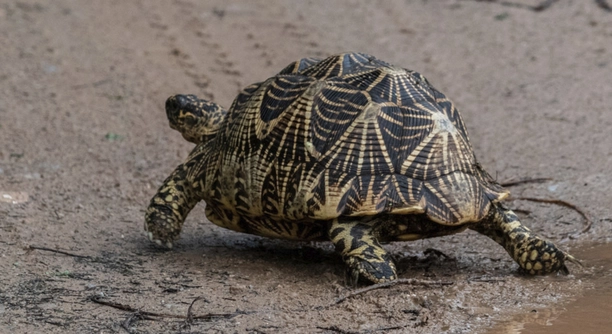
A star tortoise with an uneven shell can be a cause for concern. This condition is not uncommon, but it requires attention to ensure your pet remains healthy and happy.
If your star tortoise develops an uneven shell, it may be due to factors such as improper diet, environmental stress, or health issues. In many cases, providing proper care and timely intervention can help correct the problem.
There are a few simple steps you can take to help your tortoise recover and restore its shell’s appearance. By addressing these issues early, you can prevent long-term damage.
Causes of an Uneven Shell in Star Tortoises
An uneven shell in your star tortoise can be caused by various factors. The most common reason is improper diet, which can lead to soft or deformed shells. A lack of calcium, essential for shell growth, is often the main cause. If your tortoise is not getting enough UVB light, it can affect their ability to absorb calcium. Poor environmental conditions, such as a dry or too cold habitat, can also impact shell development. In some cases, genetic factors or past injuries may contribute to an uneven shell. Identifying the exact cause is crucial for determining the right course of action.
Proper care starts with ensuring your tortoise has a balanced diet and proper lighting. If these are not addressed, the shell can become weak, causing the uneven growth seen in many pet tortoises.
To help prevent this, make sure your tortoise has access to natural sunlight or UVB lighting. Also, ensure they are fed a variety of leafy greens and calcium supplements. If your tortoise’s shell is already uneven, correcting these factors can help restore proper growth. Regular checkups from a vet can also prevent any underlying health issues from causing further damage to the shell.
Fixes for Uneven Shells in Star Tortoises
One of the most effective fixes for an uneven shell is improving your tortoise’s diet.
A healthy, well-rounded diet is essential for proper shell development. Offering calcium-rich foods such as kale, collard greens, and dandelion leaves can provide the necessary nutrients for shell growth. You can also use a calcium supplement designed for reptiles. Additionally, ensure your tortoise receives a sufficient amount of UVB light, either from natural sunlight or a UVB bulb. This will help them absorb calcium and prevent further shell deformities.
Making these adjustments can drastically improve the condition of your star tortoise’s shell over time. By focusing on diet and UVB exposure, you’ll create a healthier environment for your pet. It’s important to monitor your tortoise regularly to make sure that they are thriving and that their shell is developing properly.
Proper Habitat Conditions for Star Tortoises
To support healthy shell growth, your star tortoise needs a stable and suitable habitat.
The enclosure should have a temperature gradient, with a warm area for basking and a cooler area for resting. Make sure the humidity levels are balanced, not too high or low, to prevent dehydration or fungal growth. Provide a dry substrate like coconut coir or sand to help them feel secure and comfortable. Without these proper conditions, your tortoise’s shell might not develop properly, leading to uneven growth.
A UVB light source is essential for shell health, especially if your tortoise is kept indoors. It mimics sunlight and helps your pet metabolize calcium. Keep the light on for 12-14 hours a day, ensuring the light is not too far from your tortoise. Pay attention to their behavior to ensure they are basking and absorbing the necessary UVB rays. Regularly clean the enclosure to prevent bacterial or fungal infections, which can also affect shell quality.
Hydration and Shell Health
Hydration plays a critical role in the overall health of your tortoise, including its shell.
Make sure your tortoise has access to clean, fresh water at all times. A shallow water dish works best so your tortoise can drink comfortably. In some cases, soaking your tortoise in lukewarm water for about 15-20 minutes a few times a week can help with hydration and shell health. This is particularly important for tortoises living in drier climates or environments with low humidity.
When your tortoise is properly hydrated, its shell stays more flexible and stronger. Dehydration can cause shell pyramiding or uneven growth, making the shell more prone to damage. Keep track of how often your tortoise drinks and consider adjusting their water supply if they are not drinking enough. If the shell condition worsens, consult a vet for further advice on hydration.
Shell Cleaning and Maintenance
Cleaning your tortoise’s shell regularly can help prevent infections or buildup of debris.
Use a soft toothbrush to gently scrub the shell with warm water. Avoid using soap or harsh chemicals that could irritate the skin. Be sure to dry the shell completely after cleaning to prevent moisture from accumulating. Regular cleaning also helps to monitor the shell’s condition.
Clean the shell once a week to ensure it’s free from dirt, fungi, or bacteria that could cause issues. Keeping the shell clean allows you to spot any problems early, such as uneven growth or soft spots. Always check for signs of infection while cleaning, and treat them promptly.
Veterinary Checkups for Shell Issues
A vet can help identify any underlying issues affecting your tortoise’s shell.
If your tortoise’s shell is consistently uneven or damaged, it’s best to have a vet examine them. They can assess the overall health of your pet, check for nutritional deficiencies, and advise on necessary treatments or changes to your care routine. A vet can also suggest supplements to improve shell health.
Seeing a vet ensures that your tortoise receives professional care, which can prevent minor issues from becoming more severe. Regular checkups are especially important if you’re unsure about the root cause of shell irregularities.
FAQ
What causes a star tortoise’s shell to become uneven?
Uneven shells in star tortoises are often caused by improper diet, poor lighting, and environmental factors. A lack of calcium and UVB light can affect shell development. Additionally, inadequate humidity levels, an unbalanced temperature gradient in their habitat, or injuries could lead to shell deformities. Overfeeding or underfeeding can also contribute to irregular shell growth.
How can I fix an uneven shell in my star tortoise?
To fix an uneven shell, you should focus on providing proper nutrition, including calcium supplements and leafy greens. Make sure your tortoise has access to UVB light for about 12-14 hours a day. Additionally, improve the overall habitat conditions by maintaining appropriate temperature, humidity, and a clean environment. In severe cases, you may need to consult a vet for specific treatments or advice.
Do star tortoises need UVB light?
Yes, star tortoises need UVB light to metabolize calcium, which is essential for healthy shell growth. Without UVB exposure, your tortoise can develop soft shells or uneven growth. If your tortoise is kept indoors, a UVB light bulb should be used, ensuring it’s the proper type and wattage to provide adequate lighting. Natural sunlight is also an option if available.
How can I make sure my star tortoise is getting enough calcium?
To ensure your star tortoise is getting enough calcium, provide calcium-rich foods like dark leafy greens, dandelion leaves, and clover. You can also dust their food with calcium supplements. Additionally, ensure they receive adequate UVB light, which helps them absorb the calcium from food. Over-supplementing calcium can also be harmful, so balance is key.
What should I feed my star tortoise for a healthy shell?
A healthy shell begins with a balanced diet. Feed your star tortoise a variety of leafy greens, such as kale, collard greens, and mustard greens. Avoid iceberg lettuce, as it has little nutritional value. You can also offer safe flowers and grasses. Occasionally, you can provide fruit in moderation. It’s important to provide a calcium supplement for proper shell health, but make sure the diet is diverse.
Can stress cause an uneven shell in star tortoises?
Yes, stress can negatively impact the growth of your star tortoise’s shell. Stress can be caused by improper housing, temperature fluctuations, loud noises, or handling. A stressed tortoise may refuse to eat or become less active, which can hinder healthy growth. By providing a calm, secure environment, you can help your tortoise avoid stress.
Is it necessary to take my star tortoise to the vet?
If your tortoise’s shell becomes noticeably uneven or deformed, it’s a good idea to consult a vet. A vet can help diagnose any underlying health issues, such as calcium deficiencies, fungal infections, or parasites. Regular checkups are important to monitor the overall health of your tortoise, especially if you notice changes in its behavior or shell condition.
How often should I clean my star tortoise’s shell?
Clean your star tortoise’s shell once a week or as needed, depending on the conditions of their habitat. Use a soft brush and warm water to gently scrub the shell. Avoid using soap or chemicals that could irritate your tortoise. Cleaning the shell regularly helps prevent bacterial growth and allows you to spot any early signs of infection or damage.
Can I correct an already uneven shell in my star tortoise?
While some shell irregularities cannot be fully corrected, improving your tortoise’s diet, UVB exposure, and habitat conditions can help prevent further damage. Over time, with proper care, the shell can improve in quality. If the uneven growth is minor, it may smooth out as the tortoise continues to grow. However, severe deformities may remain.
What are signs that my star tortoise’s shell is unhealthy?
Signs of an unhealthy shell include soft spots, pyramiding (a stacked, uneven appearance), cracks, or discoloration. If you notice any of these issues, it’s essential to adjust the care routine and consult a vet if necessary. Also, monitor your tortoise’s behavior, as lethargy, lack of appetite, or changes in movement could be signs of a deeper issue.
How does temperature affect the health of my tortoise’s shell?
Temperature plays a significant role in the overall health of your star tortoise, especially its shell. A habitat that is too cold can slow digestion and metabolism, which can affect shell development. On the other hand, excessive heat can cause stress and dehydration. Maintain a temperature gradient within the enclosure to ensure your tortoise can regulate its body temperature properly.
Can my star tortoise’s shell ever fully heal if it’s severely damaged?
If the shell has been severely damaged or deformed, it may not fully heal, but it can improve with the right care. Shells grow slowly, so with proper diet, UVB lighting, hydration, and veterinary care, the tortoise’s shell may show some improvement over time. However, significant damage could result in permanent deformities, so it’s best to catch issues early to avoid irreversible changes.
How do I know if my star tortoise is getting enough hydration?
A hydrated star tortoise will have smooth skin and a healthy, firm shell. If your tortoise is dehydrated, its skin may appear wrinkled, and it might be less active. You can soak your tortoise in lukewarm water for about 15-20 minutes a few times a week to ensure hydration. Always make sure fresh water is available in the enclosure.
Final Thoughts
Taking care of a star tortoise with an uneven shell can be a challenging but rewarding task. The key is identifying the cause early and making the necessary adjustments. A balanced diet, adequate calcium, and proper UVB light are essential for healthy shell growth. An uneven shell often indicates an issue with the care environment or diet, but with attention to detail, improvements can be made. If the problem persists despite your efforts, it’s a good idea to consult a vet who specializes in reptiles. They can help you pinpoint the issue and suggest further solutions.
While it may seem overwhelming at first, caring for a star tortoise with an uneven shell is manageable. Start by addressing the basics: ensure your tortoise is getting the right nutrition, the correct amount of UVB light, and a comfortable habitat. If you focus on these areas, you should start to see improvements. Remember that patience is key—shell growth happens slowly, and it can take time to notice changes. Regular cleaning and maintenance of the habitat will help prevent any future problems and keep your tortoise healthy in the long term.
In the end, your star tortoise can live a happy, healthy life with the right care. By staying consistent with their diet, lighting, hydration, and environment, you’re giving them the best chance at a strong and even shell. As a pet owner, it’s important to stay informed and proactive. Regular checkups from a reptile vet can also provide peace of mind. By making the necessary adjustments and staying attentive, you can ensure your tortoise’s shell remains healthy for years to come.

Hello,
If you enjoy the content that we create, please consider saying a "Thank You!" by leaving a tip.
Every little bit helps us continue crafting quality advice that supports the health, happiness, and well-being of pets around the world, for pets of all shapes, sizes, and species.
We really appreciate the kindness and support that you show us!