
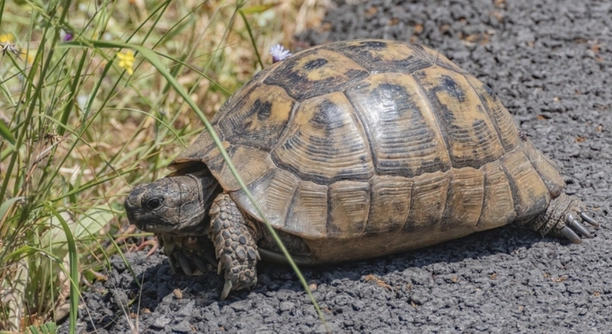
If your Russian tortoise escapes, it can be a stressful experience. These small reptiles love to roam, and finding them once they’re out of their enclosure might feel overwhelming. Knowing what steps to take can ease your worries.
To recover a Russian tortoise that has escaped, begin by searching the areas closest to its home. Check for hiding spots, like under bushes or behind objects. Act quickly, as tortoises can wander far and fast, especially outdoors.
Understanding the key steps in finding your tortoise is essential. The sooner you act, the better chance you have of safely bringing your pet back. The following steps will guide you through the process, making the task easier to manage.
Act Fast and Search Nearby
When your Russian tortoise escapes, the most important thing is to act quickly. These tortoises are curious creatures and can find their way into small spaces. Start by checking the area where the tortoise was last seen. Look for hiding spots such as under bushes, between rocks, or near fences. Make sure to search at different levels, as tortoises might climb or squeeze through tight gaps.
If you’re indoors, check areas like under furniture, behind doors, and in cabinets. The key to finding your tortoise fast is covering as much ground as possible without wasting time.
If the escape happens outside, expand your search to the backyard or nearby areas. Don’t forget to check flower beds, sheds, or garages. Tortoises can move quietly and often settle in spots that offer some shelter, so keep a keen eye out for dark corners and shady spots.
Enlist Help for a Broader Search
Sometimes, having more hands on deck can make a big difference in finding your tortoise. Ask friends or family members to help. They may notice things you miss or help cover more ground in a shorter time.
Having a few extra people involved allows for a faster and more thorough search. If you have a large area to cover, such as a backyard or nearby neighborhood, organizing the search can ensure no spot is overlooked. Make sure everyone knows where to look and what to watch for, like signs of digging or any unusual movement.
If the tortoise is outside, consider leaving food or water in the area. The scent might draw it back to its enclosure, especially if it’s nearby. Don’t forget to keep a lookout as you search to avoid missing the tortoise if it pops out from hiding. Time is crucial when it comes to bringing your tortoise home.
Expand Your Search Area
If the initial areas don’t yield results, widen your search. Tortoises don’t move too quickly, but they can cover a surprising distance in a short amount of time. Look for places like flower beds, under sheds, or behind fences. They also like to hide in tall grass or under overgrown plants.
Your tortoise may have wandered further than you think. Expand the search to neighboring areas, if possible. Don’t hesitate to knock on nearby doors and ask if anyone has seen it. If you live in a rural area, check ditches, roadsides, and abandoned buildings. Tortoises are not known for running, but they enjoy finding cool and hidden spots.
Be sure to check along the edges of your property, near any tall trees or structures. They might also wander onto your neighbors’ properties if there’s a way for them to slip through. The more ground you cover, the better chance you have of finding your tortoise.
Use Technology to Help Find Your Tortoise
A few simple gadgets can help you locate your tortoise faster. Consider using a GPS tracker. If you know the tortoise has a collar or harness on, you can attach a small GPS device. This allows you to track its movements and narrow down your search area.
Another option is to use a motion-activated camera. If you have one lying around, place it in areas where you suspect the tortoise might have wandered. These cameras will record movement, so even if you don’t see it right away, you can check the footage for signs of activity. This method is great for pinpointing the tortoise’s location, especially if it’s hiding in a specific spot.
Tech tools like these are simple and effective. They can save time, especially if your tortoise has wandered out of view or hidden somewhere tough to find. Consider adding these to your search routine if you need help tracking its movements.
Check During Quiet Hours
Tortoises tend to be most active during the early morning or late evening, especially when the surroundings are quieter. Check at these times, when they’re more likely to wander in search of food or shelter. They are less likely to hide when it’s peaceful around them.
By focusing on these quieter hours, you increase your chances of spotting your tortoise, especially if it’s venturing out of its hiding spot. The tortoise will be more alert and may even respond to sounds or movement around it. Use this to your advantage during your search.
Create a Temporary Barrier
If you’ve located your tortoise but can’t immediately reach it, try creating a temporary barrier. Use household items like boards or crates to block escape routes. This will help prevent further wandering while you figure out how to capture or safely return it to its enclosure.
If you’re working alone, a makeshift barrier can also give you a moment to collect your thoughts or gather materials for a safer, more permanent solution. Once the tortoise is in a controlled area, you can take your time without worrying about it running off.
Use Food as Bait
Offering your tortoise its favorite food is one of the best ways to lure it back. Place fresh leafy greens, vegetables, or fruits near the area where it was last seen. The smell will attract it, especially if it’s feeling hungry.
Be patient, as it may take time for the tortoise to find its way back to the food. Sometimes, it can take a little while for them to get hungry enough to come out of hiding. Check the bait regularly and keep your eyes open for movement.
FAQ
What should I do if I can’t find my Russian tortoise right away?
If your tortoise is missing, stay calm and keep searching. Start with the area closest to its enclosure. Check under furniture, in cabinets, and outside under bushes or behind objects. It’s important to cover as much ground as possible. If you can’t find it quickly, extend your search to neighboring properties or nearby open spaces. Don’t forget to check during quieter hours, such as early morning or late evening, when your tortoise might be more active. You may also want to try using food as bait to draw it back.
How long can a Russian tortoise survive outside?
Russian tortoises are fairly resilient, but their ability to survive outside depends on weather conditions. If the weather is mild and there are no immediate threats, they can survive for a few days. However, if the temperatures drop or it starts raining, the tortoise may struggle to find shelter and food. Always search as quickly as possible to prevent any potential harm. If you know the tortoise is outside for an extended period, it’s crucial to find it fast, as they can become dehydrated or exhausted.
Can I lure my tortoise back with a light or sound?
Russian tortoises are not particularly attracted to light or sounds. They are more likely to respond to food, especially greens or fruits. If you are looking to get their attention, place their favorite food in the area where you think they might be hiding. The smell of fresh food can lead them to come out of hiding, especially if they are hungry. While they may not respond to noises, keeping a calm and quiet environment can help prevent startling them.
How can I prevent my Russian tortoise from escaping again?
To prevent future escapes, reinforce your tortoise’s enclosure. Ensure the sides are high enough so they can’t climb over, and make sure the lid or cover is securely fastened. Tortoises are known to dig, so check for any possible gaps or weak spots at the bottom. If you have an outdoor enclosure, consider burying the sides a few inches into the ground to prevent digging. Regularly inspect the enclosure to ensure it remains escape-proof.
What’s the best way to catch my Russian tortoise once I’ve found it?
Catching your tortoise can be tricky, especially if it’s hiding in a tight spot. Approach slowly and calmly, avoiding sudden movements that might startle it. If the tortoise is in a wide open area, you can gently guide it into a container or crate using food. If it’s hidden, carefully lift any objects around it and reach for it when it’s in a safe, open area. Always avoid grabbing the tortoise roughly; instead, gently lift it with both hands, supporting its body evenly.
Should I be worried if my tortoise hides for a long time?
Tortoises enjoy hiding, especially when they feel stressed or when the environment changes. If your Russian tortoise hides for a longer period, it could simply be seeking shelter or rest. However, if it’s been missing for days or seems lethargic, there may be a concern. Check for signs of dehydration or injury. If the tortoise is acting abnormally, it might be time to visit a vet. Be sure to regularly check in on your pet if it tends to retreat for extended periods.
How do I know if my tortoise has wandered too far from home?
If your tortoise is missing, it’s essential to act quickly and check as many areas as possible. Russian tortoises are not known for traveling long distances, but they can move surprisingly quickly when they’re on the move. If you’ve searched extensively around your home and still haven’t found it, it’s possible the tortoise has wandered further away. Consider expanding your search area and checking in with neighbors. Tortoises will usually stay close to familiar places, so don’t forget to look near walls, fences, or other boundaries.
What if my tortoise gets injured while escaping?
Injuries can happen, especially if your tortoise is trying to escape from a confined space. Check carefully for any signs of injury, such as bleeding, limping, or swollen areas. If you notice anything unusual, take your tortoise to a vet right away. It’s important to keep a calm approach while handling it to prevent further stress. Make sure the tortoise is kept in a safe environment while you prepare for a vet visit.
How can I tell if my Russian tortoise is stressed?
Tortoises show signs of stress through changes in behavior, such as excessive hiding, lack of appetite, or lethargy. If your tortoise has recently escaped or been in an unfamiliar situation, it may become more withdrawn. Other stress signs include excessive scratching or pacing in its enclosure. If you notice any of these signs, make sure your tortoise has a comfortable and quiet environment to help it calm down. Reducing external disturbances can also assist in minimizing stress.
What’s the best way to prevent my tortoise from escaping outdoors?
Outdoor enclosures should be designed with secure fencing that’s high enough to prevent climbing and deep enough to stop digging. You can make the fence a bit taller or even bury it a few inches into the ground to prevent your tortoise from digging under. Regularly inspect the area for potential weak spots, and make sure the enclosure is escape-proof. Keeping a close eye on your tortoise while it’s outside and making sure the gate or entrance is locked when not in use will also help prevent escapes.
When your Russian tortoise escapes, it can be a stressful experience, but staying calm is key. The first step is to search the immediate area thoroughly. Tortoises don’t move too quickly, so it’s likely that your pet hasn’t gone too far. Look in places where it can hide, like under bushes, behind rocks, or inside structures. Tortoises like to find cool, shaded spots, especially when they feel threatened or stressed. If you don’t find it right away, expand your search to nearby areas and check during quiet hours when your tortoise is most likely to be active.
Another helpful tip is to use food to attract your tortoise back. Place its favorite snacks, like leafy greens or fruits, in spots where it might have gone. The smell of food can help draw your tortoise out of hiding and back into view. You might also want to use some technology, like a GPS tracker, if your tortoise is wearing one, or a motion-activated camera if it’s safe to set one up. These tools can help narrow down the search area and give you more direction when looking for your pet. The more you can do to guide your search, the more likely you are to find your tortoise quickly.
Once you locate your tortoise, it’s important to prevent future escapes by reinforcing its enclosure. Make sure the fence is high enough to prevent climbing and secure enough to stop digging. Regularly check for any weak spots in the enclosure where your tortoise could slip through. If you’re keeping your tortoise outdoors, be mindful of the weather and make sure its environment remains safe. Having a secure and comfortable space for your tortoise will reduce the chances of future escapes and help it feel safe in its home.

Hello,
If you enjoy the content that we create, please consider saying a "Thank You!" by leaving a tip.
Every little bit helps us continue crafting quality advice that supports the health, happiness, and well-being of pets around the world, for pets of all shapes, sizes, and species.
We really appreciate the kindness and support that you show us!