
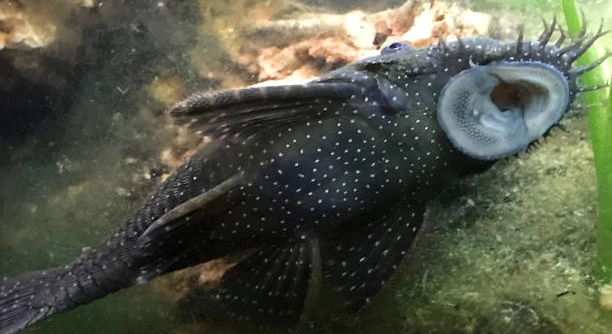
If your plecostomus stops moving, it can be concerning. These fish are usually active, so a lack of movement may indicate an underlying issue. Identifying the cause is essential for providing the appropriate care.
The most common reason for a plecostomus to stop moving is stress or poor water conditions. Factors such as low oxygen levels, high ammonia, or temperature fluctuations can negatively impact the fish’s behavior. Regular water testing is crucial.
Taking the right steps can help get your plecostomus back to its active self. Addressing water quality, diet, and environmental factors will improve its overall health and well-being. Keep reading to learn more about effective solutions.
Water Quality Issues
If your plecostomus isn’t moving, the first thing to check is the water quality. Poor water conditions can stress fish and cause lethargy. Ammonia, nitrites, and high nitrate levels can lead to unhealthy tank environments. Regular water changes, proper filtration, and testing are vital in keeping the water safe. Inadequate oxygen levels or temperature fluctuations can also harm fish behavior. The ideal water temperature for a plecostomus ranges between 72°F and 82°F. If the tank is too cold or too warm, your fish may stop moving. Be sure to use a reliable thermometer to monitor changes in the water temperature.
Testing the water parameters is easy and inexpensive. Test kits can provide information about ammonia, nitrites, and pH levels. It’s recommended to test the water at least once a week. Keeping track of the results will help you address any potential issues early. If the water quality is not ideal, make the necessary adjustments. Proper water care is a simple yet effective way to improve your plecostomus’s health.
Stress Factors in the Tank
Stress is another common reason for inactivity. Plecostomus can become stressed due to sudden changes in their environment. Adding new fish, rearranging decorations, or too much movement around the tank can trigger stress. Fish are sensitive to their surroundings and can be easily disturbed.
To minimize stress, avoid overcrowding the tank and ensure that each fish has enough space. Providing hiding spots for your plecostomus can make it feel secure. Ensure that the tank has plenty of decorations like rocks or caves. When fish have places to retreat to, they feel more comfortable and are less likely to act stressed. Reducing noise and vibrations around the tank is also beneficial. Keeping the environment calm and stable will encourage your plecostomus to be more active.
Diet and Feeding Habits
A lack of movement could also be linked to your plecostomus’s diet. These fish are bottom dwellers and rely on algae, plant matter, and sinking pellets for nutrition. Inadequate food can lead to poor health and lethargy. Make sure your plecostomus has access to the right types of food.
To encourage healthy eating, provide a variety of food sources like algae wafers, vegetables, or specialized pleco pellets. Overfeeding can cause health issues too, so feed small portions twice a day. Avoid offering too much protein, as plecostomus are primarily herbivores. Fresh vegetables like zucchini or spinach can supplement their diet. If the fish doesn’t have enough to eat, it may not have the energy to move.
Feeding habits are important in maintaining the health of your plecostomus. Without a balanced diet, the fish may not have the energy needed to remain active. If you’ve noticed that your plecostomus is still not moving after adjusting its diet, there could be another underlying issue.
Tank Size and Space
A small tank can restrict movement, especially for a plecostomus, which can grow large. If the fish doesn’t have enough space, it may feel cramped and less inclined to swim. A tank that is too small leads to increased stress and inactivity.
Plecostomus need a minimum of 20 gallons of water per fish to thrive. However, larger tanks are better, especially if you have multiple fish. Providing plenty of swimming space encourages activity and reduces stress. Ensure that the tank is large enough to accommodate the size of your plecostomus as it grows. A spacious environment allows the fish to move freely and promotes overall well-being.
Keeping the tank clean and spacious also improves water quality. More water volume can dilute harmful toxins, making it easier to maintain safe conditions. It’s important to regularly clean the tank, remove excess debris, and replace water. If you find your plecostomus inactive, consider upgrading to a larger tank for more space and comfort.
Illness or Injury
If your plecostomus is not moving, it might be sick or injured. Fish can often hide their symptoms until it’s too late, so pay attention to any signs of abnormal behavior. Injuries or infections may be preventing your plecostomus from being active.
Look for external signs such as torn fins, swelling, or discoloration. If your plecostomus has sustained an injury or is showing visible signs of disease, treatment is necessary. Many common fish illnesses can be treated with medications available at pet stores. Isolate the affected fish to prevent spreading any potential diseases to others in the tank.
If no visible signs of injury or illness are present, but the fish still isn’t moving, it’s best to seek advice from a veterinarian. A professional can help determine the cause and recommend appropriate treatment.
Water Temperature
Inconsistent or incorrect water temperature can affect the plecostomus’s activity levels. These fish are sensitive to temperature changes, and an environment that’s too hot or too cold can make them sluggish. Maintaining a stable temperature is crucial for their health.
Use a reliable aquarium heater to maintain a consistent temperature between 72°F and 82°F. Avoid fluctuations in water temperature, as they can stress the fish. A thermometer will help you monitor the water regularly, ensuring it stays within the ideal range. If the tank temperature is too low, your plecostomus may not move much, as it could become lethargic.
Overcrowding
If your tank is overcrowded, it can lead to stress for your plecostomus. Having too many fish in a confined space can cause territorial disputes and reduce available swimming space. This can result in a more sedentary fish.
FAQ
Why is my plecostomus staying in one spot?
If your plecostomus is staying in one spot, it could be due to poor water quality, stress, or illness. Check the water parameters, including ammonia, nitrites, and temperature, and make sure they are within the appropriate range. Stress can also cause inactivity, so ensure the tank is not overcrowded and there are enough hiding spots. Additionally, illness or injury can cause a fish to stay in one place. Look for any signs of external problems like swelling, lesions, or abnormal markings.
How can I tell if my plecostomus is stressed?
A stressed plecostomus may display behaviors such as hiding more than usual, erratic swimming, or not eating. Stress can be caused by factors like poor water quality, overcrowding, aggressive tankmates, or changes in the environment. To reduce stress, ensure your tank has plenty of hiding spots and that water parameters are stable. Regular water changes and keeping the tank calm can also help alleviate stress.
What is the best water temperature for plecostomus?
Plecostomus thrive in water temperatures between 72°F and 82°F (22°C – 28°C). Keeping the water in this range ensures the fish remain active and healthy. Using a reliable aquarium heater is essential, especially if you live in a region with fluctuating room temperatures. Temperature spikes or drops can stress the plecostomus and cause them to become lethargic.
Can plecostomus live with other fish?
Yes, plecostomus can live with other fish, but it’s important to choose tankmates carefully. They are peaceful bottom dwellers, so avoid keeping them with aggressive species that might stress them. Plecos are generally non-aggressive and do well with other peaceful fish like tetras, guppies, or other catfish. Make sure there is enough space in the tank to avoid overcrowding.
How often should I feed my plecostomus?
Plecostomus should be fed once or twice a day, offering small portions of food. They are primarily herbivores, so algae wafers, vegetables like zucchini, and specialized pleco pellets should be the main part of their diet. Overfeeding can lead to water quality issues, so be careful not to give too much food at once. If you notice your plecostomus is not eating, this could be an indication of stress or illness.
Why is my plecostomus turning brown?
If your plecostomus is turning brown, it could be due to a natural change in coloration as the fish matures, especially if you have a type of pleco that has darker markings. However, a sudden change in color could indicate stress, poor water quality, or illness. Check for any signs of external problems like lesions, fungal growth, or parasites. If the fish is also displaying abnormal behavior, such as lethargy, it’s best to address the water quality and seek medical advice if necessary.
Do plecostomus need a filter?
Yes, plecostomus need a good filtration system. These fish produce a lot of waste, and a filter helps keep the water clean by removing toxins and maintaining oxygen levels. A strong filtration system will help prevent the build-up of harmful chemicals like ammonia and nitrites. Make sure to choose a filter that is appropriate for the size of your tank to ensure optimal water conditions.
How big can a plecostomus grow?
Plecostomus can grow quite large, with some species reaching lengths of up to 24 inches (60 cm). It’s essential to keep this in mind when choosing a tank size. A plecostomus needs a large tank, ideally at least 75 gallons, to accommodate its size and ensure it has enough space to swim and hide. Regular monitoring of its growth will help you determine if an upgrade is needed.
Can a plecostomus live without algae?
Although plecostomus eat algae, they should not rely solely on it for nutrition. In a tank without sufficient algae, provide supplemental food such as sinking pellets, vegetables like cucumber, or specially designed pleco food. Plecostomus are opportunistic feeders, so they will readily consume a variety of foods. Be sure to offer a balanced diet to maintain their health.
How can I encourage my plecostomus to be more active?
To encourage activity in your plecostomus, ensure that the water quality is excellent, and the temperature is stable. Add hiding places to reduce stress and provide a secure environment. Avoid overcrowding, as plecos need space to move freely. Additionally, offering a varied diet, including fresh vegetables, can keep them energized. A larger tank with more room to swim will also encourage your plecostomus to be more active.
Final Thoughts
Plecostomus are hardy and resilient fish, but like all aquarium pets, they require proper care and attention. If your plecostomus is not moving, it could be a sign of a few different issues, such as stress, illness, or poor water quality. Keeping a close eye on water conditions, temperature, and tank mates can help ensure your pleco stays healthy and active. Monitoring their behavior and health regularly will allow you to spot potential issues early and address them before they become serious problems.
Understanding the needs of your plecostomus is key to providing them with a comfortable and thriving environment. Ensuring the water temperature is stable, maintaining clean water, and offering a balanced diet are essential for their well-being. In addition to water quality, tank size and the presence of compatible tank mates are important factors in reducing stress and promoting activity. By creating a stress-free environment, your plecostomus will have a better chance of staying active and happy in your tank.
If you notice your plecostomus becoming lethargic or staying in one spot, it is essential to check for underlying causes. Overcrowding, poor water quality, or injury can all lead to a lack of movement. Acting quickly and addressing any issues will improve the chances of your pleco returning to its active and healthy state. With the right care and attention, your plecostomus can live a long and healthy life, providing beauty and utility in your aquarium.

Hello,
If you enjoy the content that we create, please consider saying a "Thank You!" by leaving a tip.
Every little bit helps us continue crafting quality advice that supports the health, happiness, and well-being of pets around the world, for pets of all shapes, sizes, and species.
We really appreciate the kindness and support that you show us!