
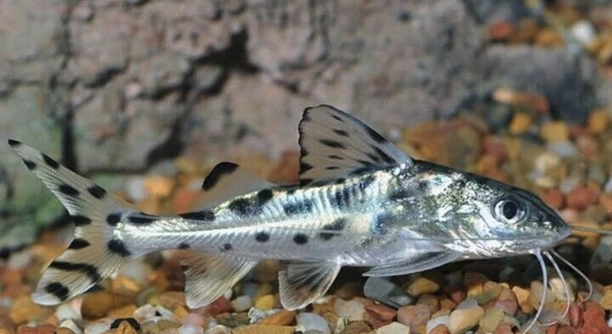
If your pictus catfish suddenly refuses to eat, it can be worrying. Many fish owners face this problem at some point. Understanding why your pictus ignores food is important for its health and well-being.
Pictus catfish may ignore food due to stress, illness, poor water quality, or unsuitable tank conditions. Addressing these factors promptly helps restore their appetite and ensures a healthy environment for the fish to thrive.
Knowing what causes your pictus to stop eating will help you take quick and effective action to support your pet’s recovery.
Common Reasons Your Pictus Ignores Food
There are several reasons why your pictus catfish might stop eating. One major cause is stress, which can come from changes in the tank environment, such as new fish, decorations, or water conditions. Poor water quality is another key factor. High ammonia or nitrate levels can make fish sick and reduce their appetite. Illness also plays a role—parasites, bacterial infections, or internal problems can cause a pictus to refuse food. Sometimes, the fish might simply dislike the type of food offered, especially if it is not what they are used to. Lastly, tank size and hiding places matter. If your pictus feels unsafe or cramped, it might hide and avoid eating. Watching your fish’s behavior and checking water parameters regularly can help identify the issue quickly.
Maintaining a stable and clean environment is crucial for your pictus’s appetite and health.
Feeding the right diet and keeping water clean helps prevent most eating problems. Regular observation is key to catching issues early before they worsen.
How to Encourage Your Pictus to Eat Again
If your pictus is not eating, start by testing your water quality. Use a reliable test kit to check ammonia, nitrite, nitrate, and pH levels. Change the water if any readings are out of range. Next, try offering a variety of foods, including sinking pellets, frozen or live bloodworms, and brine shrimp, which pictus enjoy. Avoid overfeeding as it can pollute the water and cause stress. Create a calm tank environment by reducing sudden movements, bright lights, or loud noises around the aquarium. Make sure your tank has enough hiding spots to help your pictus feel secure. If illness is suspected, consult an aquatic vet or use safe treatments. Patience is important since it can take several days for a fish to regain interest in food after stress or sickness. Consistent care will improve your pictus’s chances of eating normally again.
Monitoring Your Pictus’s Behavior
Changes in behavior often signal problems with your pictus’s health or environment. Watch for signs like lethargy, hiding more than usual, or erratic swimming, as these can indicate stress or illness.
Tracking your fish’s daily habits helps you notice subtle shifts early. If your pictus is less active or avoids certain tank areas, it may be uncomfortable. Sometimes, they stop eating simply because they feel unsafe or stressed. Make sure the tank conditions remain stable, and keep an eye on interactions with other fish. Stress can build slowly, so regular observation is important for catching problems before they worsen.
If the fish starts gasping at the surface or rubbing against objects, it might be a sign of poor water quality or parasites. Acting fast by testing water and isolating sick fish can prevent bigger health issues.
Feeding Tips for a Pictus Catfish
Pictus catfish prefer food that sinks quickly since they feed near the bottom. Use sinking pellets or fresh frozen foods like bloodworms or brine shrimp to attract their interest. Feeding small amounts multiple times a day encourages better eating habits.
Avoid overfeeding, as leftover food can pollute the water and cause health problems. Remove uneaten food within 10 minutes to keep the tank clean. Try offering a variety of food textures and flavors to keep your pictus curious and engaged during feeding time. Fresh, high-quality food supports their health and vitality.
A steady feeding routine also helps your pictus feel secure. Feeding at the same time daily can reduce stress and promote appetite. Watching your fish eat can alert you to any changes in appetite or health.
Adjusting Tank Conditions
Stable tank conditions are vital for your pictus to feel comfortable and eat well. Keep temperature, pH, and water hardness within their preferred range to reduce stress and encourage feeding. Sudden changes can make your fish stop eating.
Regular water changes help maintain good water quality. Avoid overcrowding, as too many fish can increase stress and competition for food. Creating a calm environment with plenty of hiding spots lets your pictus feel safe and more likely to eat.
Recognizing Signs of Illness
Illness often causes a pictus to lose its appetite. Watch for visible symptoms like white spots, torn fins, or unusual swimming patterns. Early detection improves the chance of successful treatment and recovery.
Addressing illness quickly prevents further health decline. Use quarantine tanks and appropriate medication when needed, following instructions carefully to avoid harming your fish.
When to Seek Professional Help
If your pictus refuses food for more than a week despite your efforts, professional advice is necessary. A vet can diagnose hidden illnesses or recommend treatments you might not be aware of.
Prompt medical care improves recovery chances and helps prevent long-term damage or death. Don’t delay if your fish’s condition worsens or new symptoms appear.
Maintaining Long-Term Health
Consistent care and monitoring prevent future feeding problems and keep your pictus healthy.
How long can a pictus catfish go without eating?
Pictus catfish can survive without food for about one to two weeks, but this is not ideal. Going without eating for too long weakens their immune system and makes them more prone to illness. If your pictus refuses food for more than a few days, it’s important to check water quality and tank conditions right away.
What should I do if my pictus stops eating suddenly?
Start by testing the water for ammonia, nitrites, nitrates, and pH levels. Poor water quality is the most common reason for appetite loss. Next, examine your tank setup—make sure temperature and hiding spots are appropriate. Try offering different foods, such as frozen bloodworms or sinking pellets. If no improvement happens within a few days, watch for illness signs and consider consulting a vet.
Can stress cause my pictus catfish to refuse food?
Yes, stress is a common cause of food refusal in pictus catfish. Stress can come from changes in tankmates, water quality, lighting, or loud noises. A stressed fish may hide and avoid eating. Maintaining a calm, stable environment and providing plenty of hiding spots can reduce stress and encourage your pictus to eat again.
Is it normal for pictus catfish to eat less sometimes?
Yes, pictus catfish may naturally eat less at times, especially during changes in their environment or water temperature fluctuations. However, prolonged refusal to eat or noticeable weight loss should not be ignored. Keep a close eye on your fish to ensure there are no underlying issues.
What foods are best for encouraging a picky pictus to eat?
Sinking pellets formulated for bottom feeders are a good base diet. Adding live or frozen foods like bloodworms, brine shrimp, and daphnia can stimulate appetite. Avoid flake food, which often floats and may not interest your pictus. Offering a variety of textures and flavors can help keep your fish engaged during feeding.
How often should I feed my pictus catfish?
Feed small amounts two to three times daily. Frequent small feedings are better than one large meal because pictus catfish prefer to graze. Remove any uneaten food after about 10 minutes to prevent water quality issues that could stress your fish.
Can water temperature affect my pictus catfish’s appetite?
Yes, pictus catfish prefer temperatures between 74°F and 79°F (23°C to 26°C). Water too cold or too warm can lower their metabolism and reduce their desire to eat. Maintaining stable, appropriate temperatures supports healthy feeding behavior.
What are the signs that my pictus catfish is sick?
Look for faded colors, clamped fins, slow or erratic swimming, white spots, or swelling. Gasping at the water surface or rubbing against tank decorations can also indicate illness. These symptoms often come with a loss of appetite and require immediate attention.
How can I improve water quality to help my pictus eat?
Perform regular partial water changes, ideally 20-30% weekly, to keep nitrate levels low. Use a good filtration system and avoid overcrowding the tank. Test water parameters frequently, and remove uneaten food promptly to reduce waste buildup.
Is quarantine necessary for a sick pictus catfish?
Quarantine is highly recommended for sick fish to prevent spreading disease to other tankmates. Use a separate tank with proper filtration and heating. Treat the fish with appropriate medication based on the diagnosis, and only return it to the main tank once fully recovered.
What should I avoid feeding my pictus catfish?
Avoid feeding your pictus flake food that floats on the surface, as they are bottom feeders. Also, avoid overfeeding, which can lead to water pollution and health problems. Avoid feeding human food or anything not designed for fish, as this can harm your pictus.
Can tankmates affect my pictus catfish’s eating habits?
Yes, aggressive or overly active tankmates can stress your pictus, causing it to hide and avoid food. Make sure your tank is compatible and that your pictus has plenty of space and hiding places. Separating aggressive fish or providing more room can improve your pictus’s appetite.
How do I know if my pictus catfish is getting enough food?
Healthy pictus catfish will be active during feeding times and maintain a steady weight. Watch for clear eyes, smooth skin, and normal swimming. If your fish looks thin or weak, it may not be eating enough or absorbing nutrients properly.
Can changes in lighting affect my pictus’s appetite?
Sudden changes in lighting can stress pictus catfish. Bright or flickering lights may cause hiding and loss of appetite. Providing a regular day-night cycle with dimmer lighting or shaded areas can help your fish feel more secure and willing to eat.
What role does tank size play in a pictus catfish’s feeding?
A tank that is too small can stress your pictus, limiting its activity and appetite. These fish need enough space to swim and explore. A tank size of at least 30 gallons is recommended to keep them comfortable and healthy.
Are there any natural remedies to stimulate my pictus’s appetite?
Some aquarists add garlic extract or vitamin supplements to food to encourage eating. These can act as mild stimulants and support immune health. Use such remedies cautiously and avoid overdosing to prevent harming your fish.
How long should I wait before changing feeding strategies?
Give new feeding approaches or tank adjustments at least three to five days to see if there is improvement. Sudden changes can increase stress, so introduce new foods or routines gradually.
Can poor oxygen levels cause a pictus catfish to stop eating?
Yes, low oxygen levels in the tank make fish lethargic and reduce appetite. Make sure your tank has proper aeration through filters or air stones to keep oxygen levels stable.
Does the age of the pictus catfish affect feeding behavior?
Older pictus catfish may eat less as their metabolism slows down. However, sudden appetite loss at any age should be investigated for health problems.
Is it safe to fast my pictus catfish for a day or two?
Short fasting periods of one or two days are generally safe and can help clear their digestive system. However, extended fasting is harmful and should be avoided. Monitor your fish closely during fasting to ensure no other issues are present.
This FAQ covers many of the concerns around pictus catfish refusing food, providing clear, practical advice to help improve your fish’s appetite and overall health.
When your pictus catfish stops eating, it can feel frustrating and concerning. These fish rely on a stable and clean environment to stay healthy and happy. Stress, poor water quality, illness, or changes in their tank can all cause a loss of appetite. Understanding these factors helps you take the right steps to support your pictus and bring back its interest in food. Remember, the health of your fish is closely tied to how well you manage its surroundings and diet.
Keeping the tank clean and stable is one of the most important ways to prevent feeding problems. Regular water changes, monitoring water parameters, and maintaining proper temperature create a safe space where your pictus feels comfortable. Feeding the right foods—sinking pellets, frozen bloodworms, or brine shrimp—also encourages healthy eating. Offering small meals several times a day, rather than one large feeding, suits their natural feeding habits. Watching your fish closely helps you notice early signs of stress or illness so you can act quickly.
If your pictus continues to refuse food despite these efforts, it may be time to seek advice from a professional. Sometimes health problems need treatment that goes beyond simple tank care. Early action improves the chance of recovery and prevents serious harm. Taking care of your pictus catfish with patience and attention will help it stay healthy and active. With the right care, your fish will regain its appetite and continue to be a lively part of your aquarium.

Hello,
If you enjoy the content that we create, please consider saying a "Thank You!" by leaving a tip.
Every little bit helps us continue crafting quality advice that supports the health, happiness, and well-being of pets around the world, for pets of all shapes, sizes, and species.
We really appreciate the kindness and support that you show us!