
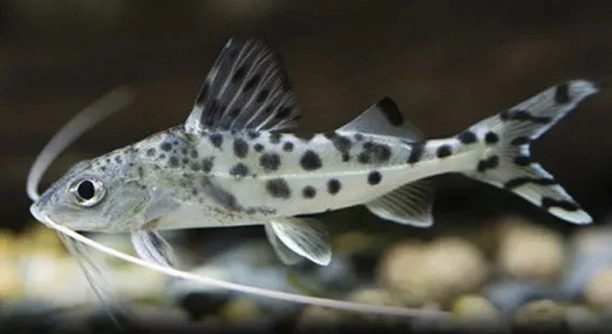
Many catfish owners enjoy watching their pictus catfish swim gracefully in their tanks. Sometimes, these fish may show signs of injury, which can be worrying. Knowing how to respond quickly helps ensure their well-being.
If your pictus catfish appears injured, the first step is to isolate it in a quarantine tank to prevent infection. Maintain clean water conditions, monitor its behavior, and consider consulting a veterinarian for proper treatment options.
Understanding these steps will help you provide the best care for your injured pictus catfish and support its recovery in your aquarium.
Common Causes of Injury in Pictus Catfish
Pictus catfish are active swimmers that sometimes get injured due to several reasons. Sharp decorations or rough surfaces in the tank can cause cuts or scrapes. Aggressive tank mates might nip at their fins, leading to wounds. Poor water quality can also weaken their immune system, making it easier for infections to take hold. Stress from overcrowding or sudden changes in environment may make them more vulnerable to injury. It’s important to regularly inspect the tank for any hazards and ensure that water parameters are stable. Keeping the tank clean and providing plenty of hiding spots can help reduce stress. When a fish looks hurt, knowing the possible causes helps prevent further damage and supports healing. Checking for signs like torn fins, redness, or unusual behavior will guide you in taking proper care.
Injuries often occur because of environmental factors or interactions with other fish. Addressing these can prevent many problems.
Taking care of your pictus catfish’s environment is key to avoiding injury. Remove any sharp objects, and choose peaceful tank mates. Maintain a steady routine for feeding and cleaning to keep stress levels low. Regular water testing helps spot issues early. If an injury happens, isolating the fish reduces the chance of infection. Using gentle treatments recommended for fish wounds can speed healing. Watching your catfish’s behavior daily allows you to catch problems quickly and act before they worsen. This approach not only protects your catfish but also improves the overall health of the aquarium.
How to Treat Injuries in Pictus Catfish
Immediate care for an injured pictus catfish involves isolating it in a clean, calm quarantine tank. This reduces stress and prevents the spread of infection to other fish.
Once separated, maintain excellent water quality by performing frequent water changes and monitoring temperature and pH. Avoid using harsh chemicals that might irritate the wound further. Adding aquarium salt in low doses can help with healing and reduce stress. Observe the fish closely for signs of improvement or worsening. If the injury shows no signs of healing or if infections develop, seek advice from a vet or experienced aquarist. Providing a quiet environment with minimal disturbance supports recovery. Proper treatment and care will give your pictus catfish the best chance to heal and return to a healthy state in its home tank.
Preventing Future Injuries
Regular tank maintenance reduces the risk of injuries. Sharp decorations and rough surfaces should be removed or smoothed. Avoid overcrowding to minimize aggressive behavior.
A stable environment helps pictus catfish feel safe. Providing plenty of hiding places and maintaining water parameters within the ideal range supports their health. Peaceful tank mates are essential to prevent fin nipping. Routine water changes and careful feeding habits keep the tank clean and stress low. Observing your fish daily lets you catch early signs of trouble before injuries worsen. Prevention takes effort but is worth it for your catfish’s well-being.
Careful selection of tank decorations and companions goes a long way. Keeping the environment calm and clean ensures your pictus catfish can thrive without injury. Consistent care will help maintain their natural behavior and reduce risks.
When to Consult a Professional
If your pictus catfish’s wounds do not improve after several days, professional help is needed. Persistent redness, swelling, or unusual behavior may indicate infection.
A veterinarian or experienced aquarist can provide treatments not available over the counter. They may suggest antibiotics or special care routines to help your fish recover. Professional advice also helps identify underlying problems you might miss. Early consultation increases the chances of healing and reduces suffering. Don’t hesitate to reach out if you feel unsure about the fish’s condition.
Prompt professional guidance is important for serious injuries or infections. Timely intervention can prevent complications and support full recovery. Your catfish’s health depends on careful monitoring and knowing when to seek expert help.
Signs of Healing to Watch For
Healing pictus catfish show less redness and swelling around the injury. Their fins begin to look more whole as new tissue forms.
Behavior will also improve. The fish will swim more actively and start eating regularly. These signs mean recovery is underway.
How to Support Recovery with Diet
Feeding your pictus catfish nutritious food helps speed healing. High-quality pellets or flakes designed for carnivorous fish provide essential proteins and vitamins. Adding live or frozen foods like bloodworms or brine shrimp boosts their immune system. Avoid overfeeding, as leftover food can foul water and cause stress. Offering a varied diet ensures your catfish gets all necessary nutrients. Clean feeding areas regularly to maintain water quality. Proper nutrition supports tissue repair and overall health, making recovery smoother and faster.
Avoid Stress During Recovery
Keep the environment calm and stable to help your catfish heal.
What should I do if my pictus catfish has a small cut?
Small cuts need careful cleaning and a clean environment to heal well. First, isolate your fish in a quarantine tank with clean, treated water. Avoid any decorations that might irritate the wound. Keep the water parameters stable and perform regular water changes. Adding a small amount of aquarium salt can help prevent infection and reduce stress. Watch your fish daily for signs of healing or worsening, like redness or swelling. If the cut doesn’t improve within a week, consider consulting a vet for advice on treatment.
Can injuries in pictus catfish heal on their own?
Some minor injuries can heal without medication if the environment is optimal. Clean water and low stress are crucial. However, if the injury is deep or infected, natural healing might not be enough. Ignoring symptoms like fin rot, redness, or lethargy can lead to serious problems. Early intervention increases recovery chances, so monitor your fish closely and act promptly if needed.
How can I prevent my pictus catfish from getting injured?
Prevention focuses on creating a safe and stress-free tank. Remove sharp or rough decorations that can cause cuts. Choose peaceful tank mates to avoid fin nipping. Keep the tank clean and stable, testing water regularly. Provide plenty of hiding spots to reduce stress. Avoid overcrowding, which increases aggression and injury risk. Regular observation helps spot potential issues early, preventing serious injuries before they happen.
Is it safe to use medication for my injured pictus catfish?
Using medication can be safe if done correctly. Only use treatments designed for freshwater fish, following dosage instructions carefully. Avoid overmedicating, as this can harm your fish and beneficial bacteria in the tank. When possible, treat your fish in a quarantine tank to reduce impact on other fish. If unsure, consult a vet or experienced aquarist for guidance on the best medication and treatment plan.
How do I know if my pictus catfish is stressed?
Signs of stress include hiding more than usual, reduced appetite, rapid breathing, and erratic swimming. Stress weakens their immune system, making injuries more likely to get infected. Maintaining good water quality and a calm environment helps reduce stress. Regular feeding and avoiding sudden changes in temperature or lighting also support your fish’s comfort and health.
When should I isolate an injured pictus catfish?
Isolate your fish immediately if you see open wounds, torn fins, or signs of infection. A quarantine tank reduces the risk of infection spreading to other fish. It also allows you to monitor and treat your catfish in a calm, controlled environment. Make sure the quarantine tank has stable water parameters and is free from hazards. Keep the fish isolated until it shows clear signs of healing.
Can diet affect my pictus catfish’s healing process?
Yes, diet plays a big role in healing. Providing a balanced diet rich in protein and vitamins supports tissue repair and strengthens the immune system. Include live or frozen foods like bloodworms and brine shrimp for extra nutrients. Avoid overfeeding to keep water quality high, which also aids recovery. Feeding small, frequent meals helps maintain energy levels during healing.
What signs indicate an infection in my pictus catfish?
Look for increased redness, swelling, cloudy eyes, white patches, or fuzzy growths near the injury. Behavior changes like lethargy, loss of appetite, or unusual swimming patterns may also occur. If you notice these signs, begin treatment immediately to prevent the infection from spreading. Consulting a vet can help with choosing the right medication and care plan.
Can stress from other fish cause injuries in pictus catfish?
Yes, aggressive or territorial tank mates may nip fins or chase your pictus catfish, causing injuries. Overcrowding increases aggression, raising the chance of stress-related wounds. Selecting peaceful companions and giving each fish enough space helps prevent this. Observing interactions regularly lets you catch any bullying early before injuries happen.
How long does it typically take for an injured pictus catfish to heal?
Healing time varies depending on injury severity and care quality. Minor cuts may heal within a week, while deeper wounds or infections can take several weeks. Consistent water quality, proper nutrition, and low stress speed recovery. Patience is important, as rushing or disturbing the fish during healing can slow progress. Monitoring daily helps you adjust care as needed.
Taking care of an injured pictus catfish requires attention and patience. These fish are delicate and can be easily hurt by their surroundings or other tank mates. When you notice signs of injury, acting quickly helps prevent the problem from getting worse. Setting up a clean quarantine tank allows the fish to heal without extra stress or risk of infection. Maintaining good water quality and providing a calm environment are key steps to supporting recovery. It is also important to watch your fish carefully every day to see if it is improving or if more help is needed.
Nutrition plays an important role in helping your pictus catfish heal. Feeding a balanced diet rich in protein and vitamins strengthens their immune system and supports tissue repair. Including live or frozen foods like bloodworms or brine shrimp can be beneficial. Avoid overfeeding because leftover food can pollute the water and cause additional stress. Stress weakens your fish and slows healing, so keeping the tank stable and free from aggressive fish will help your catfish feel safe and recover faster. Small changes like adding hiding spots and keeping the water temperature steady make a difference in the healing process.
In some cases, injuries may need professional treatment. If wounds do not heal after a week or show signs of infection, consulting a veterinarian or experienced aquarist is a wise choice. They can recommend appropriate medications and care plans that are not available over the counter. Remember that prevention is just as important as treatment. Creating a safe tank environment, choosing peaceful tank mates, and doing regular maintenance can help avoid injuries in the first place. Caring for your pictus catfish with these steps ensures it stays healthy and happy in your aquarium for years to come.

Hello,
If you enjoy the content that we create, please consider saying a "Thank You!" by leaving a tip.
Every little bit helps us continue crafting quality advice that supports the health, happiness, and well-being of pets around the world, for pets of all shapes, sizes, and species.
We really appreciate the kindness and support that you show us!