
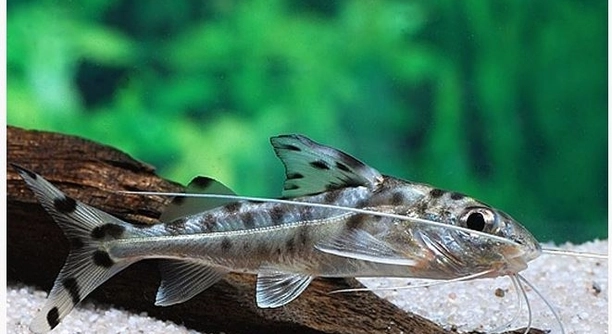
Is your Pictus catfish looking unusually swollen or bloated lately? This condition can be concerning for any fish owner, as it may signal health problems. Knowing how to respond quickly can help your catfish recover smoothly.
When a Pictus catfish appears bloated, the cause is often related to internal issues such as swim bladder disorder, constipation, or infections. Addressing these problems involves adjusting diet, improving water quality, and sometimes using medication under proper guidance.
Recognizing the signs early and understanding the necessary steps can make a significant difference in your catfish’s well-being and comfort.
Common Causes of Bloating in Pictus Catfish
Bloating in Pictus catfish can happen for a few main reasons. One common cause is swim bladder disorder, which affects the fish’s ability to control its buoyancy. This may make your catfish float awkwardly or struggle to swim properly. Another reason could be constipation, often linked to diet. Feeding too many dry or hard foods without enough fiber can lead to blockages in the digestive system. Bacterial or parasitic infections are also possible causes. These infections can cause inflammation and fluid buildup inside the fish. Poor water quality or sudden changes in temperature may stress your fish, making them more vulnerable to bloating. Observing your catfish’s behavior and appearance carefully can help identify the issue. If your fish looks lethargic or has difficulty swimming, it’s time to check these factors closely. Keeping the tank clean and feeding a balanced diet are important steps in preventing these problems.
Dealing with these issues early often prevents further health complications and promotes a quicker recovery for your catfish.
Sometimes, bloating is easy to fix by changing feeding habits or improving water conditions. Other times, you may need to treat infections with medication recommended by aquatic specialists. Regular tank maintenance and monitoring fish behavior will help catch problems before they get worse. Patience and consistent care are essential when nursing a bloated Pictus catfish back to health.
How to Treat a Bloated Pictus Catfish
The first step in treatment is to improve water quality. Regularly test water parameters like ammonia, nitrite, nitrate, and pH levels. If any are off, perform partial water changes immediately. This helps reduce stress and limits infection risks. Feeding a diet high in fiber can help with constipation; try blanched peas or specialized fish foods. Avoid overfeeding and remove uneaten food promptly. If you suspect an infection, consider using aquarium-safe antibacterial or antiparasitic medications, but only after proper diagnosis. Keep your catfish in a calm, stable environment with consistent temperature and minimal disturbance. Observe its condition daily and isolate it if necessary to prevent spreading illness to other fish. These steps, combined with patience, can improve your catfish’s health and reduce bloating over time.
Preventing Bloating in Your Pictus Catfish
Proper diet and tank care are key to preventing bloating. Avoid overfeeding and provide a balanced diet with enough fiber. Regular tank cleaning keeps the environment healthy and reduces stress on your fish.
Consistent maintenance of the tank environment plays a crucial role in your catfish’s health. Frequent water changes help keep toxins low and maintain stable water conditions. Feeding a varied diet that includes vegetables like peas helps prevent digestive issues. Avoid foods that are too dry or high in protein, as these can cause constipation. Monitor your fish’s behavior regularly to catch early signs of problems. Keeping the tank at a stable temperature between 75–80°F (24–27°C) also supports good health. A well-maintained tank reduces the risk of infections that may lead to bloating.
Additionally, avoid sudden changes in water parameters or temperature, as these can stress your fish. Stress weakens their immune system and makes them prone to illness. Giving your catfish a calm environment with hiding spots helps reduce stress levels. When introducing new fish, quarantine them to prevent spreading diseases. Taking these preventive steps lowers the chance of bloating and keeps your Pictus catfish thriving.
When to Seek Professional Help
If your Pictus catfish remains bloated despite home care, professional advice is necessary. Persistent swelling might indicate a serious internal infection or organ failure that requires specialized treatment.
Aquarium experts or veterinarians can provide a proper diagnosis through observation or testing. They may recommend specific medications or procedures that are safe for your fish. Ignoring ongoing bloating can lead to worsening health or even death. It is important to act promptly if your catfish shows signs like difficulty swimming, loss of appetite, or unusual lethargy. A professional can also help identify if water quality or tank mates are contributing factors. Seeking help early increases the chances of a full recovery and improves your catfish’s quality of life.
Monitoring Your Catfish’s Behavior
Watch for changes in swimming patterns or appetite. These signs often indicate discomfort or illness related to bloating. Early detection is important for quick treatment.
Keep a close eye on your Pictus catfish daily. Note any unusual behavior like floating upside down, rubbing against surfaces, or staying at the tank bottom. These may signal swim bladder issues or infections.
Adjusting Feeding Habits
Feeding smaller amounts more frequently can help prevent digestive problems. Avoid foods that are high in fillers or difficult to digest.
A diet with varied ingredients, including vegetables like peas, supports healthy digestion. Soaking dry foods before feeding reduces the chance of constipation and bloating.
Tank Environment Tips
Maintain stable water temperature and quality. Avoid overcrowding to reduce stress and illness risks.
Providing hiding places and gentle water flow creates a comfortable space for your catfish to thrive and recover.
FAQ
Why does my Pictus catfish look bloated suddenly?
Sudden bloating can result from swim bladder issues, constipation, or infections. Changes in water quality or diet often trigger these problems. Stress from tank conditions may also cause swelling, so it’s important to check water parameters and feeding habits immediately.
Can overfeeding cause bloating in Pictus catfish?
Yes, overfeeding is a common cause of bloating. Too much food can lead to constipation and poor digestion. Feeding smaller amounts and removing uneaten food helps prevent this. A balanced diet with fiber-rich foods reduces the risk.
What foods help reduce bloating in my catfish?
Vegetables like blanched peas are great for digestion. They add fiber and help clear blockages. Avoid dry flakes or pellets without soaking them first. Include occasional live or frozen foods to balance nutrition.
How often should I clean my tank to prevent bloating?
Regular maintenance is key. Weekly partial water changes of about 25% keep toxins low. Cleaning the substrate and filters helps maintain healthy water conditions, which support your catfish’s immune system.
Is medication always necessary to treat bloating?
Not always. Mild bloating caused by constipation or diet can improve with feeding changes and better water care. Medication is needed mainly for infections or serious internal issues, and it should be used under expert advice.
Can stress cause bloating in Pictus catfish?
Stress weakens the fish’s immune system, making it vulnerable to illness, including bloating. Overcrowding, sudden water changes, and aggressive tank mates are common stressors to avoid.
How do I know if the bloating is due to infection?
Look for additional signs like redness, sores, or lethargy. Infected fish may also have cloudy eyes or clamped fins. If bloating lasts more than a few days despite care, infection is likely.
Should I isolate my bloated catfish?
Isolation can prevent spreading infections and reduce stress on the affected fish. Use a quarantine tank if you suspect contagious diseases or if your catfish’s condition worsens.
Can temperature fluctuations cause bloating?
Yes, sudden changes in water temperature can stress your fish and disrupt digestion. Keeping the tank temperature stable between 75–80°F (24–27°C) helps maintain good health.
How long does it take for a bloated catfish to recover?
Recovery time varies depending on the cause. Constipation may improve in a few days, while infections can take weeks with treatment. Consistent care and monitoring are crucial throughout the process.
Are there any signs that mean I should get professional help immediately?
Yes, if your catfish stops eating, floats upside down, shows rapid breathing, or has severe swelling, seek expert advice right away. These signs can indicate serious health problems needing urgent care.
Can tank mates affect my catfish’s health?
Aggressive or overly active fish can stress your Pictus catfish, increasing the chance of bloating. Choose peaceful tank mates and avoid overcrowding to create a calm environment.
What’s the best way to prevent bloating long-term?
Maintain a stable tank environment with clean water and good filtration. Feed a varied, balanced diet, avoid overfeeding, and observe your fish regularly. Early action on any changes helps keep your catfish healthy.
Can constipation be treated naturally?
Yes, feeding fiber-rich foods like peas and fasting your catfish for a day or two can help relieve constipation. Always ensure water quality is good to support digestion.
Is bloating a common issue in Pictus catfish?
Bloating happens occasionally but isn’t very common if proper care is given. It usually signals underlying problems that need attention. Preventive care reduces its frequency.
Does tank size matter for preventing bloating?
A spacious tank reduces stress and allows natural swimming, which supports digestion. Crowded tanks increase waste and toxin buildup, raising the risk of bloating and illness.
Can water hardness or pH affect bloating?
Yes, extreme pH or hardness levels stress fish and disrupt bodily functions. Keeping pH around 6.5–7.5 and moderate hardness helps maintain a healthy environment.
Is it okay to use home remedies for bloating?
Some home remedies like fasting or feeding peas are safe and effective. However, avoid untested treatments or chemicals not meant for fish. Professional advice is best for serious issues.
How can I improve my catfish’s swim bladder health?
Avoid overfeeding and keep a balanced diet. Maintain good water quality and stable temperature. These factors reduce swim bladder problems that often cause bloating.
What role does oxygen level play in bloating?
Low oxygen can stress fish and weaken their immune system, making bloating more likely. Use aeration or plants to maintain healthy oxygen levels in the tank.
Taking care of a Pictus catfish that looks bloated requires attention and patience. Bloating is usually a sign that something is not right inside the fish, such as digestive problems, infections, or stress. It is important to observe your fish carefully and act quickly when you notice swelling or unusual behavior. Simple steps like adjusting diet, improving water quality, and keeping the tank clean can often solve the issue. Consistent care helps your catfish feel better and prevents future problems.
Feeding habits play a big role in keeping your catfish healthy. Overfeeding or giving the wrong foods can cause constipation, which leads to bloating. Including fiber-rich foods like peas and avoiding too many dry pellets can improve digestion. Feeding smaller portions more frequently also helps. Along with a balanced diet, maintaining good water conditions supports your catfish’s immune system. Regular water tests, partial changes, and cleaning the tank reduce toxins and stress. Stress weakens fish and makes them vulnerable to illness, so keeping a calm and stable environment is key.
Sometimes, bloating might need professional help, especially if it doesn’t improve or worsens over time. A vet or aquatic specialist can provide the right treatment and advice. Remember that early detection and quick response improve the chances of recovery. Watching your catfish’s behavior daily and acting on changes will keep it healthier in the long run. By combining good feeding, tank care, and timely action, you can support your Pictus catfish’s well-being and enjoy watching it thrive in your aquarium.

Hello,
If you enjoy the content that we create, please consider saying a "Thank You!" by leaving a tip.
Every little bit helps us continue crafting quality advice that supports the health, happiness, and well-being of pets around the world, for pets of all shapes, sizes, and species.
We really appreciate the kindness and support that you show us!