
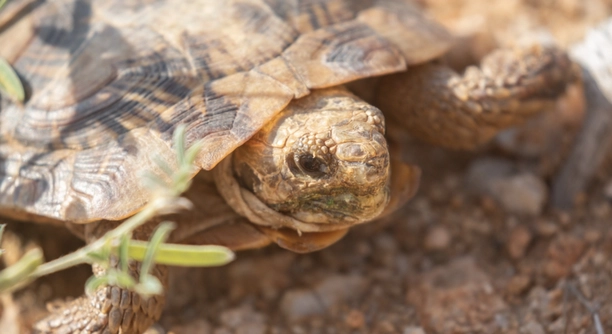
If you’re a pancake tortoise owner, you may worry about them escaping. These reptiles are quick and curious, making it important to keep them secure. It’s essential to know what steps to take in case this happens.
If your pancake tortoise escapes, act quickly to prevent harm. Search your immediate surroundings thoroughly and ensure there are no escape routes. If necessary, contact a local animal rescue or reptile expert for assistance in locating and safely recovering your pet.
Keeping your pancake tortoise safe is easier than it seems with a few simple precautions. We will go over prevention tips to help you keep your tortoise secure and happy in their home.
What to Do If Your Pancake Tortoise Escapes
If you discover your pancake tortoise is missing, don’t panic. Start by checking the immediate area, both inside and outside your home. These tortoises are small and quick, so look in hiding spots, under furniture, or in cracks and crevices. Sometimes, they can fit into spaces you wouldn’t expect. You’ll need to move calmly but quickly to avoid stressing your pet further. If your tortoise is outdoors, search in nearby bushes, gardens, or under rocks. If you can’t find your pet after a thorough search, consider asking for help from neighbors or local animal shelters.
If you can’t find your pancake tortoise, it’s best to act fast. Searching around your home and yard is the first step. Be sure to secure any possible escape routes to prevent further issues. If you’re unable to locate it, contact a professional to assist you.
The key to a quick recovery is staying organized and thorough. If you do find your tortoise, gently handle it and make sure it’s not injured. You might need to check for signs of dehydration or stress. Once your tortoise is back, check your habitat setup to prevent another escape. Add extra barriers or improve enclosures where needed. Regularly inspect the space to ensure it’s escape-proof.
Preventing Future Escapes
To avoid another escape, focus on improving the security of your tortoise’s enclosure. Ensure the walls are high enough, and consider adding a lid if your setup is open-topped. Make sure the fencing or barriers are securely anchored to the ground. If you’re using a tank or aquarium, check for any gaps that your tortoise could slip through. Regular maintenance of the enclosure helps avoid small openings from becoming larger over time.
A well-maintained habitat ensures your pancake tortoise stays safe. A sturdy, escape-proof enclosure is vital, but it’s also essential to monitor your pet regularly. Sometimes, even the best setups can fail due to wear and tear, so inspect frequently. Adding a few obstacles inside the enclosure can also keep your tortoise busy and prevent boredom-driven escapes.
Enclosure Design Tips
An escape-proof enclosure is crucial for keeping your pancake tortoise safe. Use a sturdy, tall container to ensure there’s no chance of climbing out. Check the material, as it should be durable and smooth to prevent your tortoise from pushing through or squeezing out.
For a secure setup, make sure the enclosure has no gaps or weak points. Thick plastic or wood can work well for the walls, while ensuring the door or lid is properly secured. If your tortoise enjoys climbing, you may need to raise the height of the walls. Pay attention to the edges of the enclosure and reinforce them regularly.
Adding some natural elements, like rocks or logs, is a great way to enrich your tortoise’s habitat without compromising security. These items will also discourage climbing or attempting to escape. Consider using heavy rocks to anchor the structure, as these will help prevent your tortoise from pushing the barriers out of place.
Habitat Maintenance
Maintaining the right temperature and humidity levels in your tortoise’s habitat is essential. Pancake tortoises need a warm environment, with a basking area reaching around 90°F. Ensure that their habitat has a temperature gradient, allowing them to move to cooler areas if needed. This helps mimic their natural environment and keeps them comfortable.
Also, be mindful of humidity. While these tortoises are used to dry environments, it’s essential to provide enough moisture to prevent dehydration. Mist the enclosure lightly to maintain a balance. Check for mold or mildew growth as these can harm your tortoise’s health. Ensure there is always access to fresh water.
Keeping Your Tortoise Engaged
A bored pancake tortoise may try to escape. Keep them entertained with hiding spots, tunnels, and objects to climb. These activities mimic their natural environment and satisfy their curiosity, reducing the desire to explore outside their enclosure.
When designing their space, think of it as a small world for your tortoise. Offering varied textures like soft sand, rocks, and logs can help stimulate their mind. Also, ensure they have access to areas where they can burrow, as this is part of their natural behavior and keeps them content.
Safety Check for Gaps and Weak Points
Regularly inspect your tortoise’s enclosure for any new gaps or damage. Small openings can grow over time, leading to potential escapes. Check doors, lids, and corners carefully. Even minor wear and tear should be addressed promptly.
Ensure all potential escape points are secured before leaving your tortoise alone for long periods.
FAQ
How can I tell if my pancake tortoise is trying to escape?
Pancake tortoises are naturally curious, and if they are trying to escape, you might notice them repeatedly exploring the edges of their enclosure. They may attempt to climb or dig in corners, looking for weak spots or openings. You may also find them pushing or scratching at the walls or lid. If your tortoise is more active or restless than usual, it could be a sign they are trying to find a way out.
Can pancake tortoises climb?
Yes, pancake tortoises are excellent climbers. Their flat, flexible shells allow them to maneuver easily over rocks and other obstacles. In the wild, they use this ability to scale rocky surfaces. If you have a climbing-friendly setup, your tortoise might try to scale the walls of its enclosure. It’s essential to ensure the enclosure is tall enough and that there are no overhangs or items they can use to climb out.
What should I do if my pancake tortoise escapes outdoors?
If your pancake tortoise escapes outdoors, act quickly. Start by searching the immediate area. Look under bushes, rocks, or any other hiding spots where they could be. If you have a yard, search high and low, as these tortoises are skilled at finding small, hidden spaces. If you cannot locate them after a thorough search, consider contacting a local animal shelter or reptile rescue for assistance. Always check back in case your tortoise returns to familiar places.
How do I make sure my pancake tortoise’s habitat is secure?
Making sure your tortoise’s habitat is secure starts with choosing the right enclosure. Ensure the walls are high enough and the material is strong enough to resist any pushing or climbing. Check for gaps, especially around doors or lids, and reinforce them as needed. You can also add weight to doors or lids to prevent them from being pushed open. Regularly check for signs of wear and tear to prevent future escapes.
What type of food should I give my pancake tortoise?
Pancake tortoises are herbivores. Their diet should consist of a variety of leafy greens like kale, dandelion greens, and mustard greens. They also enjoy grasses, flowers, and certain fruits in moderation. Avoid feeding them foods high in oxalates, such as spinach, which can cause kidney problems over time. Always provide fresh food and remove uneaten portions to keep the enclosure clean. Additionally, ensure they have access to fresh water at all times.
How often should I clean my pancake tortoise’s enclosure?
Cleaning your tortoise’s enclosure regularly is essential for its health. Spot clean daily by removing any waste and uneaten food. Deep clean the enclosure once a week. This includes removing all items from the habitat, washing them thoroughly, and disinfecting the surface. Make sure the enclosure is completely dry before placing your tortoise back inside. Keeping the habitat clean prevents bacteria growth and helps maintain a healthy environment for your pet.
Can pancake tortoises live with other animals?
Pancake tortoises are solitary creatures and prefer to live alone. While they may tolerate other reptiles of the same species, it’s generally not advisable to house them with other animals. They may become stressed or territorial, which could lead to aggression or health issues. It’s best to keep them in their own space to reduce stress and allow them to thrive.
How much space does a pancake tortoise need?
Pancake tortoises need ample space to move around and explore. A minimum of 30 gallons is recommended for a single adult tortoise, but larger enclosures are always better. The enclosure should provide enough space for your tortoise to climb, hide, and wander without feeling cramped. A spacious environment also promotes healthier activity and reduces stress.
Are pancake tortoises nocturnal or diurnal?
Pancake tortoises are diurnal, meaning they are most active during the day. They tend to bask in the sunlight during the day and rest in their hiding spots at night. You should ensure that their enclosure mimics this natural rhythm by providing adequate lighting during the day and darkness at night. This will help keep your tortoise’s natural behavior intact.
What temperature should I keep my pancake tortoise’s habitat?
The ideal temperature for a pancake tortoise’s habitat ranges from 80°F to 90°F during the day. They need a basking spot that is warmer, about 90°F, to help them regulate their body temperature. At night, the temperature should drop slightly, but it should not go below 70°F. Use a heat lamp or ceramic heater to maintain the proper temperatures in the enclosure. Always monitor the temperature to ensure it stays within the ideal range.
How do I tell if my pancake tortoise is sick?
Signs of illness in a pancake tortoise can include a lack of appetite, lethargy, wheezing or nasal discharge, or abnormal behavior such as hiding excessively. If your tortoise appears to be unwell, it’s essential to contact a reptile veterinarian immediately. A veterinarian experienced in tortoise care can provide a proper diagnosis and treatment plan. Regular health checks and proper habitat conditions help prevent most health problems.
Final Thoughts
Pancake tortoises are fascinating creatures that require a bit of care and attention to stay safe and healthy. If your tortoise escapes, it can be stressful, but acting quickly can help you recover your pet. Keeping your tortoise’s environment secure is one of the best ways to prevent an escape. Whether it’s by reinforcing the enclosure or ensuring the habitat is free from gaps, these simple steps can save you a lot of worry. By observing their behavior and regularly checking the habitat for wear and tear, you can address any potential escape risks before they become a bigger issue.
Additionally, keeping your pancake tortoise engaged is important for their well-being. These reptiles are curious by nature, and a lack of stimulation can lead them to search for ways out. Providing them with climbing surfaces, hiding spots, and other enrichment activities can keep them entertained and content. It’s not only about securing the habitat but also ensuring your tortoise’s mental and physical needs are met. This approach reduces the risk of stress or boredom that may lead to escape attempts.
Lastly, maintaining a clean and safe habitat is essential to a tortoise’s health. Regular cleaning, providing fresh food, and ensuring the proper temperature and humidity levels will help your pet thrive. These small tasks add up to a big difference in your tortoise’s overall quality of life. Remember that pancake tortoises are hardy but require consistent care. By staying proactive and attentive to their needs, you can keep your tortoise safe, secure, and happy in its home.

Hello,
If you enjoy the content that we create, please consider saying a "Thank You!" by leaving a tip.
Every little bit helps us continue crafting quality advice that supports the health, happiness, and well-being of pets around the world, for pets of all shapes, sizes, and species.
We really appreciate the kindness and support that you show us!