
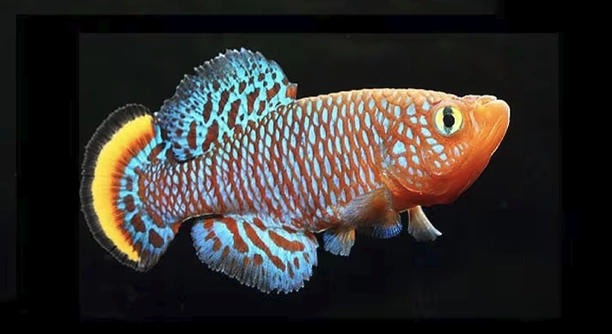
Is your killi fish swimming oddly or showing signs of a curved spine that you can’t quite explain or fix at home?
The most common reason your killi fish has a curved spine is a spinal deformity caused by genetics, poor water quality, or a nutritional deficiency. Identifying the cause early can help you determine whether treatment or humane euthanasia is best.
Though the condition can look alarming, learning the underlying cause and your available options will help you provide the right care moving forward.
Common Causes of Spinal Curvature in Killi Fish
Spinal curvature in killi fish can be due to a few different reasons. One common cause is a genetic deformity, which often shows up early in the fish’s life. If this is the case, there’s unfortunately not much you can do to reverse it. Another possible cause is poor water quality. Dirty or unstable water conditions can lead to stress and long-term health problems, including spinal issues. Nutritional deficiencies also play a role. A lack of essential vitamins, especially vitamin C or D, can affect bone development and structure. Parasitic infections or internal damage may also contribute, though this is less common. It’s important to assess each possible factor by reviewing your tank conditions, feeding habits, and the age of the fish. Pinpointing the cause early may not cure the fish, but it helps you make better decisions for your killi and prevent similar issues in other fish.
A curved spine doesn’t always mean the fish is in pain, but it usually points to an underlying problem that needs attention.
Always monitor your fish’s behavior. If the fish is eating, swimming, and interacting as usual, it may be coping well. If not, the condition might be more serious.
What You Can Do to Help
Start by testing the water. Ammonia, nitrite, and pH levels should be stable and within a healthy range for your species.
If the water is clean and balanced, move on to diet. Make sure your killi fish gets a varied and nutrient-rich diet, including high-quality pellets, frozen or live food, and occasional vitamin supplements. Avoid overfeeding or using expired food, which can lead to digestive issues. If the curvature appeared suddenly, isolate the fish in a separate tank for observation. A curved spine from disease or injury may need medication, but treatment depends on the diagnosis. Speak to an aquatic vet if possible. If the spinal curve is severe and the fish shows signs of distress—floating, sinking, not eating—it may be time to consider humane euthanasia. This is never an easy choice, but sometimes it’s the kindest option. Once you’ve handled the immediate situation, review your tank’s setup to ensure the rest of your fish are safe and healthy. Clean water, good food, and regular checks make a big difference.
Preventing Spinal Issues in the Future
Keep your tank clean by doing regular water changes and checking your filter often. Stable water conditions lower the chance of stress-related health problems, including spinal issues in killi fish.
A well-balanced diet is also key to preventing future problems. Feed your killi fish a mix of quality flake or pellet food, along with live or frozen options like brine shrimp or bloodworms. This ensures they receive enough nutrients, including important vitamins and minerals for healthy bone development. Avoid feeding the same food every day and rotate their diet to keep it varied. It’s also a good idea to supplement with vitamin-rich options when needed. Watch for any signs of bloating, inactivity, or abnormal swimming, as these can signal early problems. Catching small changes early on can help you act before a condition worsens and affects more fish in your tank.
Breeding practices matter, too. If you’re raising fry, avoid using fish with clear deformities as breeders. Spinal issues can be passed down through poor genetic lines. Selecting healthy, active adults with no visible health problems helps produce stronger offspring. Keep fry in clean, properly cycled water and feed them tiny, nutrient-dense foods like baby brine shrimp. Growing fish need extra care to develop strong spines and bones. Also, make sure the tank isn’t overcrowded. Cramped conditions can lead to stress and uneven growth. If your fish are part of a larger community tank, be sure there are no aggressive tankmates causing injury or added stress, especially to younger or smaller fish. Safe, stable conditions encourage healthier fish overall.
When to Consider Euthanasia
If your killi fish can no longer swim properly, refuses to eat, or shows signs of suffering, euthanasia might be the most humane option. It’s a hard decision, but sometimes necessary.
Always watch for a decline in quality of life. Struggling to eat, floating uncontrollably, or hiding all the time are signs the fish may be in discomfort. If your fish no longer reacts to food or other fish and just lies at the bottom, it’s likely in distress. Use clove oil if you choose to euthanize at home—it’s a gentle and painless method when done correctly. Avoid flushing or freezing, as these can cause unnecessary suffering. Afterward, clean the tank and check on your remaining fish. Seeing one fish suffer can be upsetting, but taking action with care and thought can ease both your fish’s pain and your own stress.
Observing Other Fish in the Tank
Watch how your other fish behave. If they seem stressed or start to show odd symptoms, test the water right away. One sick fish can sometimes point to a larger issue in the tank environment.
Look for torn fins, unusual swimming, or lack of appetite in the others. These are early signs that something may be wrong and needs fixing before it spreads further or causes more harm.
When to Call a Fish Vet
If your killi fish’s condition doesn’t improve after checking water, food, and tankmates, a vet visit is worth considering. Fish vets can diagnose problems that aren’t obvious, like internal infections or rare diseases. They may also offer medications that aren’t available over the counter. While not everyone has access to a specialist, some vets do virtual consultations for guidance. This can help you decide on the best next steps without guessing. If the fish is still active, eating, and alert, a vet might suggest supportive care rather than medication. Either way, reaching out early often helps prevent further complications.
Final Thoughts Before Deciding
Take time to observe your killi’s behavior and quality of life. If the fish still eats, swims calmly, and shows interest in its surroundings, there may be hope for stability.
FAQ
What causes a killi fish’s spine to curve?
A curved spine in killi fish can result from genetic defects, poor water quality, nutritional deficiencies, or injury. Genetic issues are often present from birth, while water problems cause stress that affects bone health over time. Lack of vitamins, especially vitamin C or D, can weaken bones. Injuries from aggressive tankmates or rough handling may also cause curvature.
Can a curved spine be fixed in killi fish?
Unfortunately, spinal curvature caused by genetics or injury usually cannot be fully corrected. Improvements in water quality and nutrition may help prevent worsening, but existing deformities rarely straighten. Supportive care helps maintain comfort, but permanent fixes are not available. Early detection can help manage the condition better.
Is a curved spine painful for the fish?
The degree of pain depends on the cause and severity. Mild curvature might not cause discomfort, but severe deformities can affect swimming and feeding, which can lead to stress and suffering. Signs of distress include lethargy, loss of appetite, and abnormal swimming behavior.
How do I improve water quality for my killi fish?
Test your water regularly for ammonia, nitrites, nitrates, and pH. Perform weekly partial water changes of 20-30%. Use a good filter and avoid overcrowding the tank. Remove uneaten food and debris promptly. Stable, clean water helps reduce stress and supports bone health.
What should I feed a killi fish with a curved spine?
Feed a varied diet with quality pellets or flakes designed for killifish, supplemented by live or frozen foods like brine shrimp or bloodworms. Adding vitamin supplements, especially vitamin C and D, can support bone strength. Avoid overfeeding and remove uneaten food to maintain water quality.
Can spinal deformities be hereditary?
Yes, spinal deformities can be passed down genetically. Avoid breeding fish that show signs of deformity to reduce the chance of offspring developing similar problems. Select healthy adults with no visible spinal issues for breeding.
Should I isolate a fish with a curved spine?
Isolation is recommended if the fish shows signs of illness or stress to prevent bullying and reduce tank competition. A separate hospital tank also allows you to monitor feeding and behavior closely. Keep water conditions stable and provide gentle care during isolation.
When is euthanasia the right choice?
If your killi fish can no longer swim, feed, or shows clear signs of suffering like constant hiding or floating, euthanasia might be the kindest option. Use humane methods like clove oil to minimize pain. The decision is difficult but sometimes necessary to prevent prolonged distress.
Can parasites cause spinal curvature?
Parasites rarely cause spinal curvature directly but can weaken a fish’s overall health and lead to secondary problems. Treat any suspected parasite infections promptly with appropriate medications and quarantine affected fish to avoid spreading.
How can I prevent spinal issues in other fish?
Maintain clean, stable water with regular testing and changes. Feed a balanced, varied diet rich in vitamins. Avoid overcrowding and aggressive tankmates. Use careful breeding practices by selecting healthy fish and providing proper care to fry. Early detection and good tank management are key to prevention.
When a killi fish develops a curved spine, it can be worrying to see. This condition often signals an underlying problem that needs attention. While some causes like genetics cannot be changed, many other factors are within your control. Keeping the tank clean, maintaining stable water conditions, and providing a nutritious diet can improve the overall health of your fish. These steps may not reverse the curvature, but they can help prevent it from getting worse. Monitoring your fish closely for any changes in behavior or health is important, so you can act quickly if problems arise.
It is also important to recognize when a fish is struggling. Not every curved spine case will affect the fish’s quality of life in the same way. Some killi fish with mild curvature continue to live comfortably, swimming and eating without much trouble. Others may find it hard to move or feed properly, which causes stress and suffering. Knowing the difference can help you make better decisions about care or when to consider euthanasia. Though it’s never an easy choice, sometimes it is the kindest way to prevent prolonged pain. Taking care of your fish means balancing hope for recovery with the reality of their well-being.
Lastly, prevention remains the best approach. Consistent tank maintenance and attention to diet go a long way in keeping your killi fish healthy. Choosing healthy fish for breeding can also reduce the risk of genetic problems. If you notice spinal issues early, you have a better chance of managing the situation effectively. Remember, every tank and fish is different, so what works for one may not work for another. Patience and careful observation will guide you in giving your killi fish the best care possible, even when dealing with challenging conditions like a curved spine.

Hello,
If you enjoy the content that we create, please consider saying a "Thank You!" by leaving a tip.
Every little bit helps us continue crafting quality advice that supports the health, happiness, and well-being of pets around the world, for pets of all shapes, sizes, and species.
We really appreciate the kindness and support that you show us!